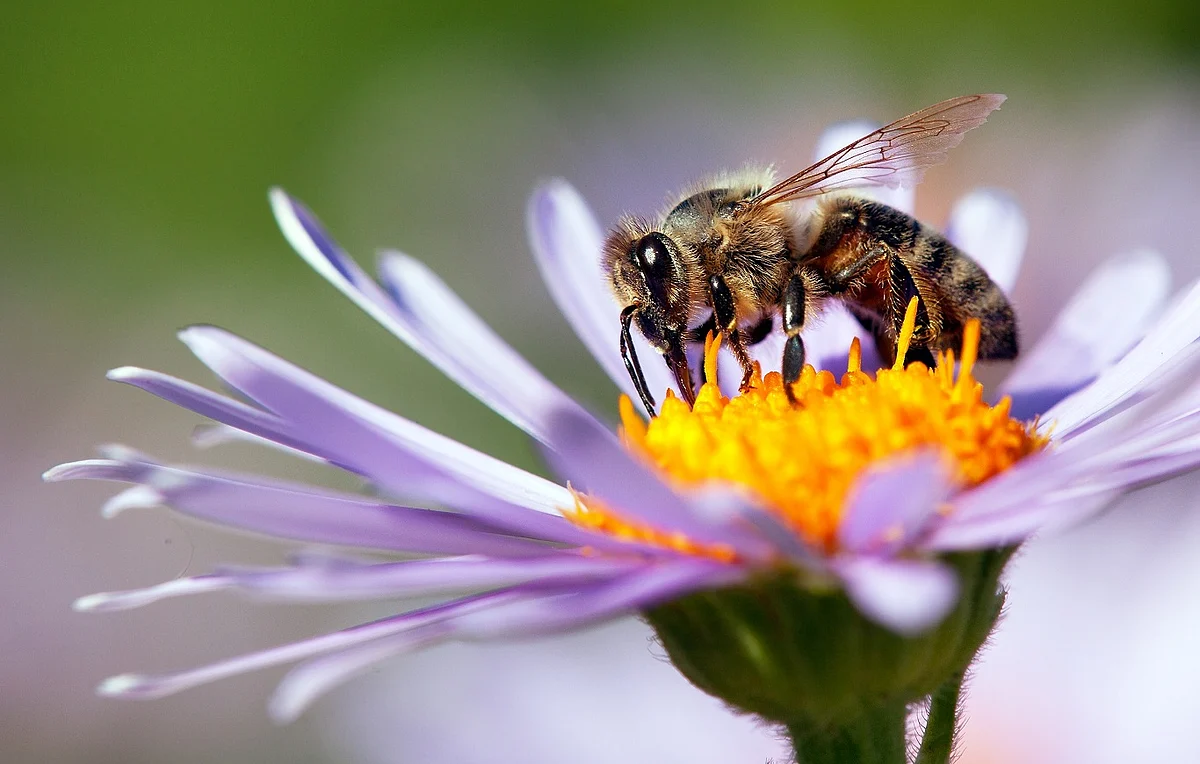
The National Highways Authority of India is making history with their bold initiative to build Bee Corridors on National Highways. With this, India can turn miles of highway into a source of life for honey bees and other pollinators, who are facing increasing environmental pressures.
These corridors will replace ornamental roadside planting with native flowering trees, shrubs, herbs, and grasses selected for their nectar and pollen value. Species, namely, neem, karanj, mahua, palash, bottlebrush, jamun, and siris, among others, have been chosen to ensure staggered seasonal flowering that keeps the pollinators fed throughout the year.
The highways authority plans to create these green strips along selected stretches of national highways and on unused land it owns. Local field offices will decide where to plant them after studying the area’s climate and soil. Officials will group flowering trees every 500 metres to one kilometre, which matches the distance most honeybees and wild bees typically travel for food. This way, the insects can move easily from one patch of flowers to the next without struggling to find their next meal.
At least three such corridors will be established in the financial year 2026-27, beginning April 1, marking a nationwide rollout rather than a pilot confined to a single region.

Rules, Regulations, And The Motive Behind The Move
The project is driven by growing concern over declining pollinator populations, which are essential for crop pollination, food production, and ecological balance. Experts warn that stress on honeybees from habitat loss, pesticides, and climate change threatens pollination services critical to agriculture and horticulture.
NHAI plans to plant around four million trees along national highways during the period 2026-27, with approximately 60 per cent of them dedicated to the bee corridor programme.
While a specific monetary budget for the bee corridors has not been publicly disclosed, the programme is embedded in NHAI’s environmental sustainability strategy and aligns with government efforts to promote sustainable infrastructure. There are targeted rules for species selection, spacing and land suitability to ensure ecological effectiveness in different regions. Field units are tasked with following agro-climatic suitability assessments so that planting supports both biodiversity goals and local environmental conditions.
The corridors are expected not only to help pollinators but also to indirectly support farmers and rural economies by strengthening pollination services in agricultural landscapes near major highways. Enhanced bee activity can improve crop yields and contribute to rural livelihoods, making this a policy with far-reaching ecological and economic benefits.
(With inputs from various sources.)
FAQs
1. What are bee corridors on national highways?
Bee corridors are stretches of pollinator-friendly vegetation planted along highways using native flowering trees and shrubs that provide year-round nectar and pollen for bees.
2. Who is implementing the bee corridor project?
The initiative is being rolled out by the National Highways Authority of India as part of its environmental sustainability strategy.
3. How many trees will be planted under the programme?
NHAI plans to plant around four million trees in 2026–27, with nearly 60 per cent dedicated to developing bee corridors.
4. Why are bee corridors important?
They support declining pollinator populations, strengthen crop pollination, enhance biodiversity and indirectly benefit farmers by improving agricultural productivity.
5. Where will the bee corridors be created?
The corridors will be developed along selected national highway stretches and unused NHAI-owned land, based on agro-climatic suitability and ecological assessments.