

Sponsored Content
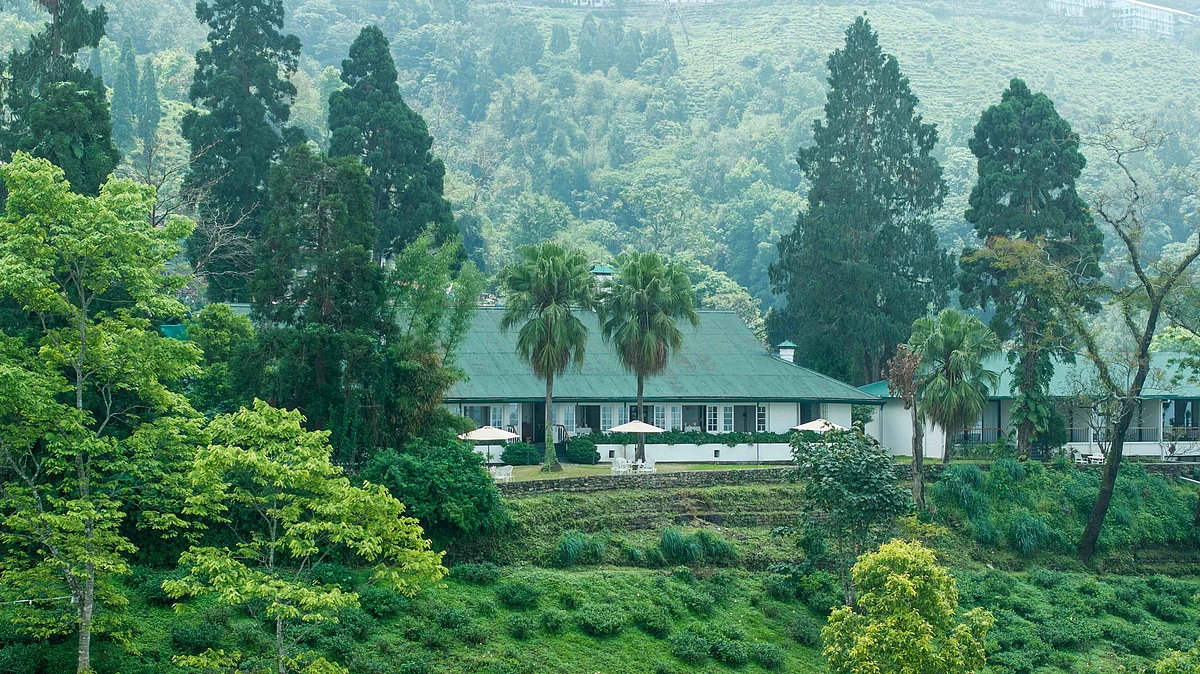
Set at approximately 4,500 feet in Kurseong, Singell Tea Estate is a place where the legacy of a historic planter’s bungalow meets the natural beauty and cultural richness of the Eastern Himalayas. Established in 1871, the estate remains closely connected to the land and the generations who have shaped its identity.
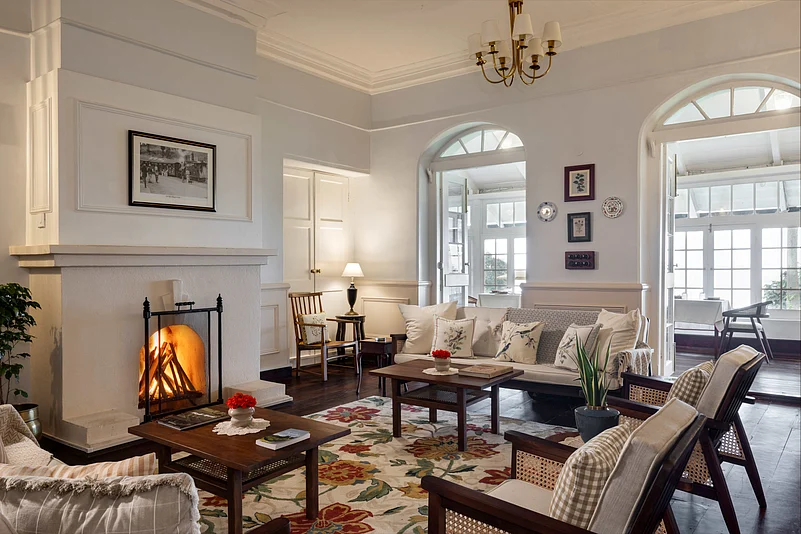
The former residence of a Badha Saheb, the bungalow has been thoughtfully restored, preserving the character of its original architecture while introducing contemporary comforts. Wooden ceilings, teak furniture, lime-plastered walls and fireplaces retain the understated charm of a mountain home, allowing its history to live on through details that have stood the test of time.
Beyond the estate, the hills open into a landscape of forested slopes, winding trails and remarkable birdlife. Guided excursions into the surrounding wilderness, including Latpanchar, offer opportunities to discover the region’s natural diversity and, seasonally, observe hornbills in their forest habitat.
Tea is inseparable from Singell’s identity, shaping both the landscape and the rhythm of life on the estate. The rolling plantations are not merely a backdrop but a living, working environment where generations of knowledge inform the cultivation and craft of tea. Walks through the gardens and visits to the working factory offer a glimpse into the journey from leaf to cup, while guided tastings reveal the distinctive character of the estate’s brews. Seasonal tea-plucking experiences bring guests closer to the work behind each harvest, while high tea offers a chance to savour the finished brew alongside traditional and artisanal accompaniments. Together, these experiences offer a deeper appreciation of the relationship between the land, its people and the tea they produce.

Throughout the property, outdoor spaces invite guests to experience the hills at their own pace. A hillside amphitheatre and secluded sit-out offer places to pause and take in the views, while evenings around a bonfire bring the day to a close beneath the mountain sky. Just 2.5 kilometres from Kurseong town, the estate offers a sense of retreat without losing its connection to the life of the hills.
The people of Singell are as much a part of its identity as the landscape itself. Nearly 80 per cent of the team comes from neighbouring villages, bringing local knowledge, familiar traditions and a strong sense of belonging to the experience.
Singell is, above all, a living heritage—where an old home continues to find purpose, tea remains an intrinsic part of everyday life, and the natural and cultural worlds of the Eastern Himalayas come together in a distinctly local expression of hospitality.
A home shaped by the hills
The bungalow’s restoration honours its original architectural character while embracing contemporary comforts. The heritage rooms retain the warmth and charm of a bygone era, with wooden interiors, traditional furnishings and fireplaces that lend a sense of quiet intimacy. The newer wing introduces contemporary accents, thoughtfully complementing the character of the original home. Together, the 11 rooms, each distinct in character and layout, offer a considered blend of heritage and modernity. Rooted in the history of the estate yet attuned to the needs of the discerning traveller, the spaces invite guests to experience the Eastern Himalayas at a gentler pace, where the changing mountain light, crisp air and rolling tea gardens become an intrinsic part of the stay.
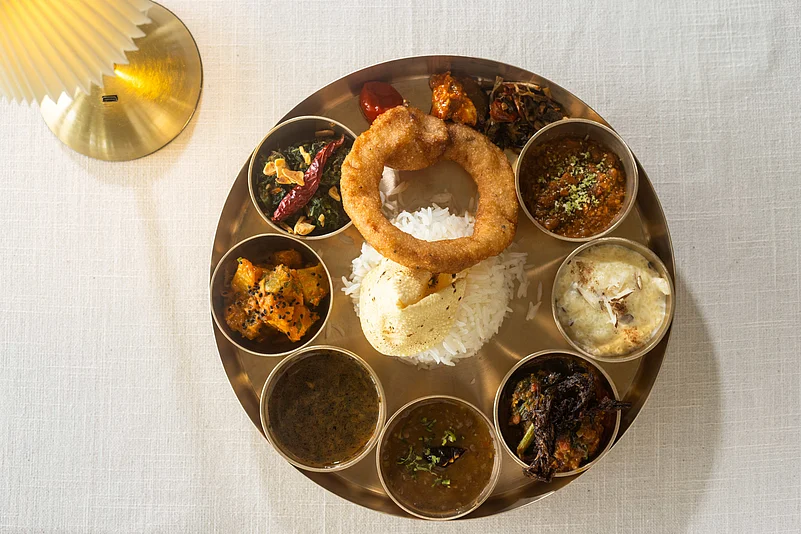
The same sense of place extends to the dining table. Drawing on the culinary traditions of the Eastern Himalayas, the cuisine brings together Tibetan, Nepali, Bengali and British influences. A bowl of thukpa offers comfort against the mountain chill, while regional preparations such as gundruk, kinema, sel roti and smoked broths speak of the food cultures that have evolved across these hills. Meals can be enjoyed in the intimate dining hall, warmed by the fireplace in winter, or outdoors beneath the evening sky.
Much of Singell’s character comes from the people who call this landscape home. The team draws substantially from neighbouring villages, bringing local knowledge and an understanding of the customs and traditions that have shaped the estate. The result is an experience that reaches beyond the architecture, offering glimpses into the lives and practices of the communities around it.
Beyond the tea gardens
Days at Singell unfold at the pace of the hills. Mornings may begin with birdwatching alongside the naturalist or a leisurely walk through the tea gardens, discovering the landscape and its rhythms. For those keen to venture further, excursions to Shivakhola and Rongtong offer encounters with the region’s rich birdlife, while a full-day trip to Latpanchar, within Mahananda Wildlife Sanctuary, reveals the wonders of the Eastern Himalayan forests. Early risers can head to Giddha Pahar to watch the first light spill across the mist-covered hills.
Beyond the estate, a guided excursion through Kurseong takes in its forested trails, viewpoints and bustling local market. A riverside picnic, complete with local cooking and a barbecue, offers another way to experience the flavours and traditions of the hills.
Back at the bungalow, the pleasures are simpler: afternoon high tea with Darjeeling brews and local treats, cooking demonstrations, storytelling sessions and board games. Younger guests can join the naturalist on a treasure hunt, while evenings invite quiet conversations and stories of the region.
For more information, visit their website.
FAQs
1. How far is Singell Tea Estate from Bagdogra Airport?
Bagdogra Airport is approximately 40 km from Singell Tea Estate. New Jalpaiguri Railway Station is 45.6 km away, while Tenzing Norgay Bus Terminus in Siliguri is located 35 km from the property.
2. How many rooms does Singell Tea Estate have?
Singell Tea Estate features 11 distinctive rooms: three Heritage Rooms, six Garden View Rooms and two Valley View Rooms. Each offers its own character, combining heritage charm, contemporary comforts and views of the surrounding landscape.
3. What activities are generally offered at Singell Tea Estate?
Surrounded by rolling tea gardens and the Eastern Himalayan landscape, Singell offers a living tea estate experience through guided tea garden walks, riverside picnics, Kurseong excursions, birdwatching, sunrise visits, tea plucking and tasting, and guided tea factory tours exploring the region’s heritage and traditions.
4. What is the dining style like at Singell Tea Estate?
Singell’s culinary offerings draw inspiration from the diverse food traditions of the Eastern Himalayas, bringing together influences from Nepal, Tibet and West Bengal to celebrate the region’s distinctive flavours and culinary heritage.
5. Who is Singell Tea Estate best suited for?
Whether seeking quiet solitude amid the hills, pursuing a passion for birdwatching, or immersing themselves in local culture and community traditions, Singell Tea Estate offers a distinctive setting for travellers to slow down, explore and discover the many facets of the Eastern Himalayas.