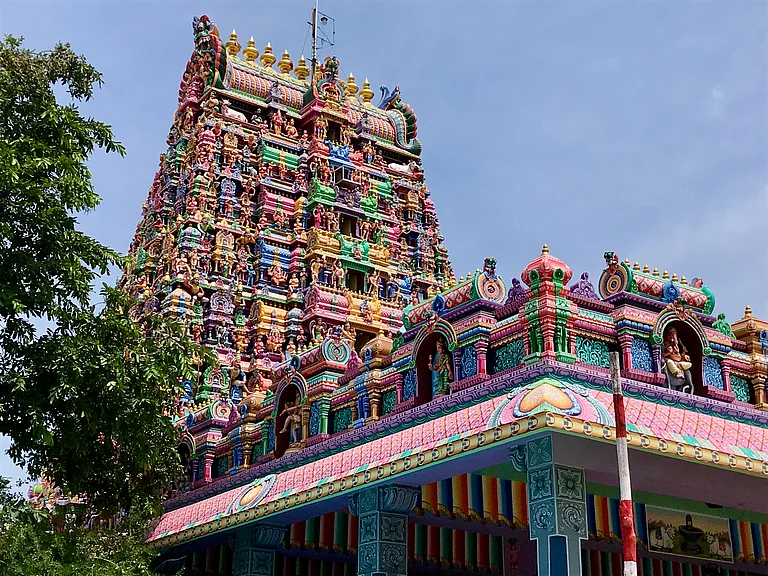


With Nitesh Tiwari’s Ramayana: Rise of a Legend now in theatres, Sai Pallavi’s portrayal of Sita has brought the actor back into the spotlight. Known for her performances in films such as Premam, Fidaa, Gargi and Amaran, she has built a career around roles that have struck a chord with audiences. Away from the big screen, however, the actor has roots in a small hill town in Tamil Nadu. She belongs to the indigenous Badaga community and has ancestral ties to Kotagiri, a hill town nestled in the Nilgiris.
While Ooty and Coonoor tend to dominate travel plans in this part of the Western Ghats, Kotagiri is worth exploring in its own right. The town is surrounded by sprawling tea estates, stretches of evergreen forest, waterfalls and viewpoints that open up to sweeping valley views. With fewer tourist crowds and plenty of opportunities to explore the outdoors, it makes for an interesting addition to a Nilgiris holiday. Here is a closer look at Kotagiri and what you can see and do there.
Getting To Know Kotagiri, The Nilgiri Hill Station
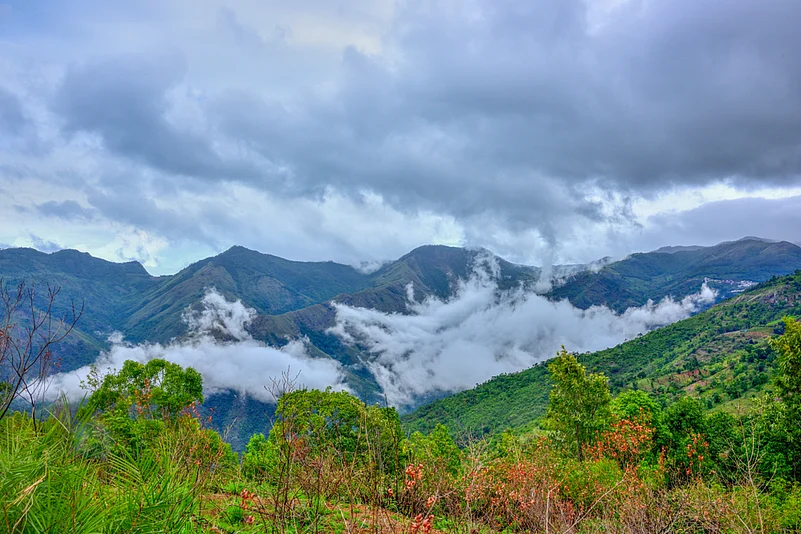

Located in Tamil Nadu's Nilgiri district, Kotagiri is one of the oldest hill stations in the region. Sitting at an elevation of approximately 1,950 m, it enjoys a pleasant climate for much of the year. Its landscape is defined by tea plantations, wooded slopes, green valleys and patches of evergreen forest.
The name Kotagiri is commonly interpreted as the 'mountains of the Kotas', referring to the Kota indigenous community of the Nilgiris. The region is also home to the Badaga community, to which Sai Pallavi belongs.
A Hill Town With A Colonial Past
Kotagiri's history goes back to the early days of British exploration in the Nilgiris. British administrator John Sullivan visited the region in 1819 and played an important role in introducing the hills to the British administration. Ooty eventually became the principal summer retreat of the Madras Presidency, while Kotagiri developed as another settlement in the hill region.
Its appeal today lies in its natural surroundings. Tea gardens line the roads, forested stretches appear between settlements, and the surrounding hills offer plenty of opportunities to spend time outdoors
Things To Do In Kotagiri

Explore The Tea Estates
Tea plantations are an important part of Kotagiri's landscape. You will find them lining the roads and covering the slopes around the town. Take a drive through the estates or arrange a guided walk to explore the plantations more closely.
The Nilgiris are known for their tea, and a visit to the region is a good opportunity to learn about how it is grown and processed. Some local tea producers and factories offer visitors a closer look at tea production. You can also pick up freshly packed Nilgiri tea to take home.
Take In The Views At Kodanad Viewpoint
Around 16 km from Kotagiri, Kodanad Viewpoint is one of the best-known attractions in the area. Located along the eastern edge of the Nilgiris, it offers sweeping views of the Moyar Valley, the surrounding hills and the distant plains.
There is a watchtower from where you can take in the landscape. The drive to the viewpoint is equally enjoyable, passing through tea-growing areas and small settlements. Try visiting early in the morning, when the skies are generally clearer and the valley is easier to see.

Walk Through Longwood Shola Forest
If you want a break from the tea estates, head to Longwood Shola, a protected patch of evergreen montane forest near Kotagiri. Shola forests are characteristic of the higher elevations of the Western Ghats and are important habitats for several native plants and animals.
The forest is particularly interesting for birdwatchers and nature enthusiasts. Its dense vegetation, tall trees and natural surroundings offer a different perspective of the Nilgiris. Access to certain trails may be regulated, so check with the local forest department before planning a visit.
See The Twin Cascades Of Catherine Falls
Located near Kotagiri, Catherine Falls is a two-tiered waterfall that drops from a height of around 250 feet. Surrounded by tea plantations and forested hills, it is among the region's most scenic natural attractions.
You can admire the falls from the designated viewpoint, which offers a good look at the two cascades. The surrounding countryside is worth exploring too, particularly after the monsoon when the waterfall is at its fullest.
Explore Rangaswamy Peak And Pillar
For those who enjoy a little adventure, Rangaswamy Peak and Pillar are worth adding to the itinerary. The distinctive mountain peak and its detached rock pillar are prominent natural landmarks in the Nilgiris.
The area is associated with local traditions and is considered sacred by communities in the region. Trekking routes around the peak offer views of the surrounding hills, grasslands and valleys. However, this is not a casual walk, so it is best explored with a local guide and after checking trail conditions and permissions.
Visit The John Sullivan Memorial
Kotagiri's history is closely linked to John Sullivan, the British administrator who explored the Nilgiris in the early 19th century. The John Sullivan Memorial is housed in the restored Pethakal Bungalow, associated with Sullivan's time in the region.
The memorial and documentation centre offer visitors an opportunity to learn about the colonial history of the Nilgiris, its early administration and the indigenous communities that have called the hills home. It is a worthwhile stop if you want to understand the region beyond its landscapes.
Spend Some Time At Nehru Park
Located in the heart of Kotagiri town, Nehru Park is a local green space where you can take a break between sightseeing stops. It has landscaped gardens and a children's play area and also serves as a venue for local events, including celebrations associated with the Nilgiris' summer festival. It is a simple addition to your itinerary, particularly if you are travelling with family.
The Information

Best Time To Visit Kotagiri
The months between September and March are generally a good time to visit Kotagiri. The weather is pleasant, making it easier to explore the tea estates, viewpoints and forest trails. December to May can also be suitable for sightseeing, although the weather and visibility vary.
The monsoon months bring fresh greenery and fuller waterfalls, but heavy rain can make trekking routes slippery. If you are visiting during this period, keep an eye on local weather and road conditions.
How To Reach Kotagiri
By air: Coimbatore International Airport is the nearest major airport, approximately 70–75 km away.
By train: Mettupalayam is the nearest major railway station, around 35 km away. You can hire a taxi from there to reach Kotagiri.
By road: Kotagiri is approximately 28 km from Ooty and 20 km from Coonoor. The drive from Mettupalayam is particularly scenic, passing through tea estates and winding mountain roads.
Things To Keep In Mind Before Visiting
Carry warm clothing: Even when the days are pleasant, temperatures can drop in the evenings. Pack a light jacket or fleece.
Wear comfortable shoes: If you plan to explore forest trails or viewpoints, carry sturdy walking shoes.
Respect local communities: Kotagiri is part of the traditional homeland of indigenous communities, including the Badagas and Kotas. Be mindful when visiting villages, sacred places and community spaces. Always seek permission before photographing people or private property.
Check trekking permissions: Some forest areas require prior permission. Arrange walks through responsible local guides and avoid entering restricted areas.
FAQs
1. What is Kotagiri famous for?
Kotagiri is known for its tea plantations, evergreen forests, waterfalls and scenic viewpoints. It is one of the older hill stations in the Nilgiris and offers a quieter alternative to Ooty and Coonoor.
2. Is Kotagiri Sai Pallavi's hometown?
Sai Pallavi has ancestral ties to Kotagiri in Tamil Nadu through the indigenous Badaga community. The town is associated with her family roots.
3. What are the best places to visit in Kotagiri?
Some of the notable attractions include Kodanad Viewpoint, Longwood Shola Forest, Catherine Falls, Rangaswamy Peak and Pillar, John Sullivan Memorial and Nehru Park. The surrounding tea estates are also worth exploring.
4. How many days are enough for Kotagiri?
Two to three days are generally enough to explore Kotagiri's main attractions, tea estates and nearby natural landscapes at a relaxed pace.
5. What is the best time to visit Kotagiri?
September to March is generally a good time to visit, with pleasant weather for sightseeing and outdoor activities. The monsoon months bring lush greenery and fuller waterfalls, although heavy rain can affect outdoor plans.