

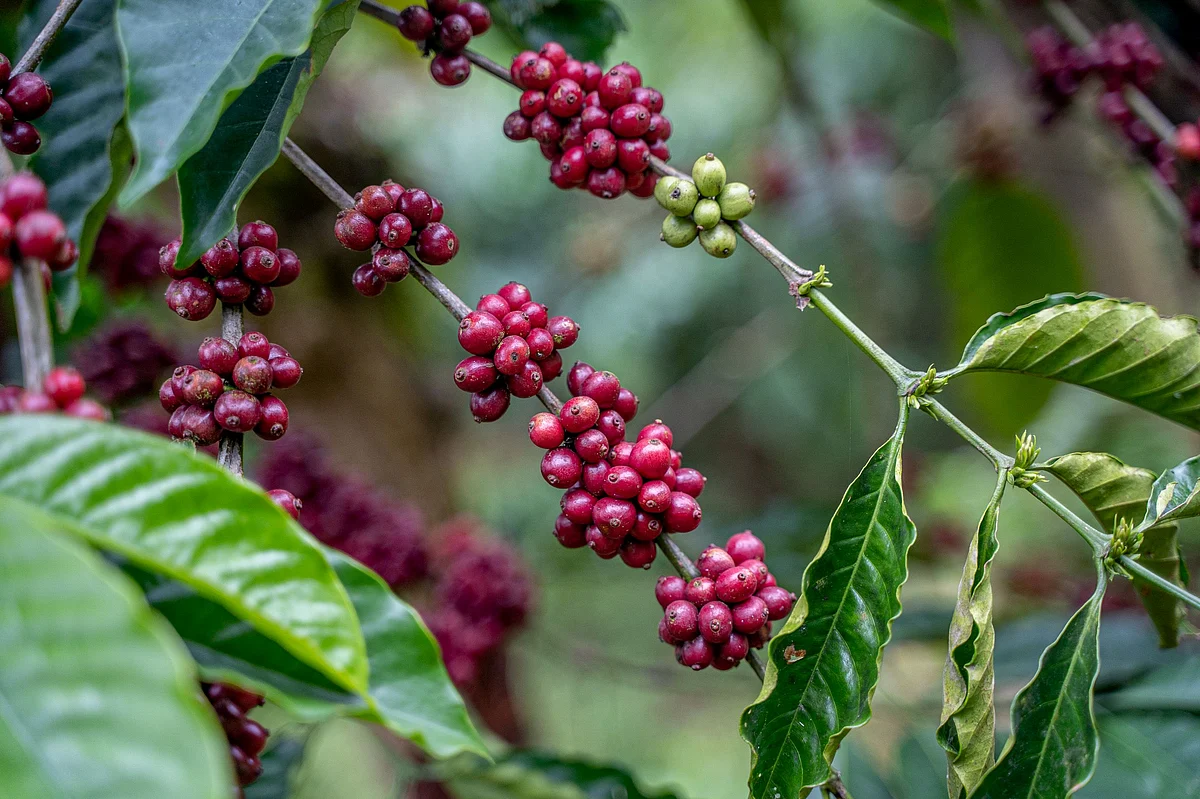
If you know Wayanad, coffee plantations are probably one of the first things that come to mind. The district has been growing coffee for decades, with plantations spread across its hills alongside pepper vines and cardamom. But while many know of the plantations, fewer know the story behind the coffee itself. For years, much of Wayanad's coffee left the region as green beans, only to be roasted, blended, and sold elsewhere, with little attention paid to where it was grown.
That's beginning to change. More growers are roasting their beans locally, cafés are showcasing single-origin coffees, and travellers are becoming more curious about where their coffee comes from and how it is made.
Muhammed Rayees, Director of Regal Coffee Roasters, has seen that shift happen over the years. His family's journey with coffee began long before the company itself, allowing him to witness how Wayanad's coffee culture has evolved.
"Our family’s journey with coffee actually started much earlier than Regal Coffee Roasters. My grandfather entered the coffee business in 1968, and I grew up around coffee. Regal Coffee Roasters came into being later in 1994, but coffee has been part of our family for almost six decades.
The biggest change I’ve seen is how people think about coffee today. Earlier, it was mostly about producing and selling coffee. Now, people are interested in where it comes from, how it’s processed, and what makes one coffee different from another. Wayanad has always had the potential to produce great coffee. It’s nice to see that potential is finally getting the recognition it deserves, with more farmers, roasters, cafes, and consumers embracing specialty coffee."
According to the Official Wayanad District Government Portal and regional agricultural studies, nearly 90 per cent of Kerala's coffee comes from Wayanad. Coffee plantations cover approximately 67,426 hectares in the district, accounting for more than one-third of its cultivated land.
Robusta Is Getting The Attention It Deserves
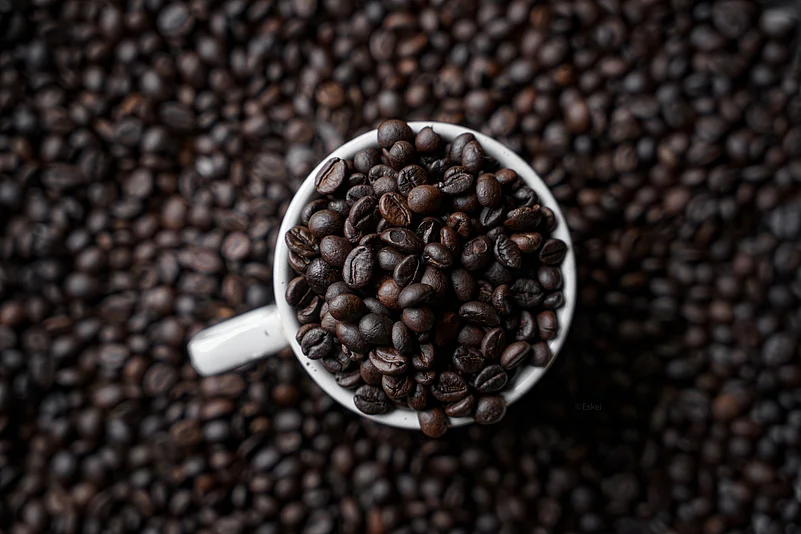

When it comes to coffee, specialty coffee conversations have largely revolved around Arabica. Robusta was often associated with instant coffee or commercial blends, but that perception is beginning to shift, too.
According to the Coffee Board of India, Kerala has around 83,000 hectares under Robusta cultivation, compared to just 2,150 hectares of Arabica. Instead of competing with Arabica, many roasters in Wayanad are highlighting the qualities of good-quality Robusta.
"Wayanad Robusta is known for its full body, smooth mouthfeel, low acidity, and rich chocolate and nutty notes. Most of our coffee is grown under shade, alongside pepper, arecanut, and other trees, creating an ideal environment for high-quality coffee.
What makes Wayanad special is not just the coffee itself, but the way it is grown. As more people discover the quality of Wayanad Robusta, I think we’ll see even more appreciation for its unique character. While experimental processing is becoming popular in some coffee-growing regions, it is still limited in Wayanad. Most producers here continue to focus on traditional washed and natural methods," said Rayees.
Why Local Roasteries Matter
One of the biggest changes has been the rise of local roasteries. Rayees noted that for the longest time, most of Wayanad’s coffee left the region as green beans, and the real value was created somewhere else through roasting, branding, and retail. But now, more local roasters are building their own brands and introducing Wayanad coffee directly to consumers.
“I think that’s a positive shift because it allows more of the value to stay within the region. While growers don’t automatically earn more just because coffee is roasted locally, the growing demand for quality and traceable coffee is creating opportunities for farmers who focus on better cultivation and processing. Over time, that can lead to stronger partnerships between growers and roasters and a more sustainable coffee ecosystem in Wayanad," he said.
The district also received a boost with the Geographical Indication (GI) tag for Wayanad Robusta, giving the region's coffee an official identity. "The GI tag was an important step for Wayanad coffee because it gave official recognition to the region’s unique Robusta. It has helped create more awareness, especially among buyers who value origin and quality.
At the same time, a GI tag alone doesn’t guarantee better prices. Quality, consistency, and good branding are what really create value. I believe the GI tag gives us a strong identity, and it’s up to all of us to build on that," he added.
More Than Just Plantation Walks
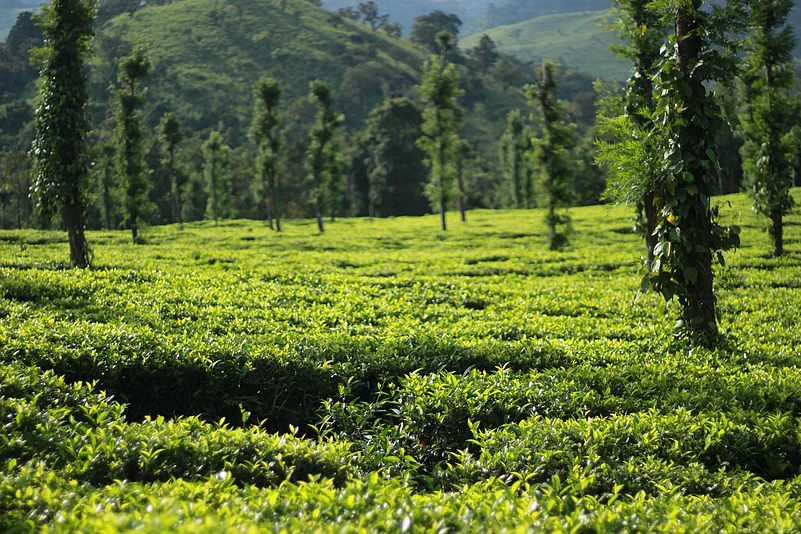
Coffee tourism is also becoming a bigger part of the Wayanad experience. Along with visiting plantations, travellers can now explore small roasteries, watch coffee being roasted, learn about brewing methods, and understand how different processing techniques influence flavour. Some cafés also source beans directly from nearby estates, allowing them to trace the coffee from farm to cup.
This growing interest also reflects a larger shift in how people consume coffee.
"Yes, there’s definitely more curiosity today than there was in the 1990s. Back then, most customers were simply looking for a good, consistent cup of coffee. Today, especially among younger consumers, people want to know where their coffee comes from, how it was roasted, and what makes one coffee different from another.
That said, this awareness is still growing. While specialty coffee drinkers are asking about single-origin coffees and traceability, many people still enjoy traditional South Indian filter coffee. I think both can grow together, and that’s what’s making the coffee culture in India so interesting."
This growing interest comes at a time when India's café and specialty coffee market is expanding rapidly. Industry estimates suggest the out-of-home coffee market is growing by 15-20 per cent annually and could reach USD 3.2 billion by 2028. At the same time, the Coffee Board of India has set a target of producing 900,000 tonnes of coffee by 2047, with greater focus on quality and value addition.
A New Reason To Visit Wayanad
For travellers, all of this means there's now another way to experience Wayanad beyond its waterfalls, wildlife and trekking trails. Coffee is becoming part of the destination itself, whether that's spending time at a plantation, joining a cupping session or picking up a bag of beans roasted just a few kilometres away.
Rayees believes this is only the beginning.
"Wayanad has everything it takes to become a true coffee destination. People today are looking for experiences, not just products. Visiting a coffee estate, seeing how coffee is roasted, learning how it’s brewed, and tasting it where it’s grown creates a much deeper connection.
I think we’ll see more cafes, roasteries, and coffee experiences emerge over the next few years. If we continue to focus on quality and authentic experiences, Wayanad can become known not just as a place that grows coffee, but as a destination where people come to experience coffee."
FAQs
Q1. Why is Wayanad famous for coffee?
Wayanad produces nearly 90 per cent of Kerala's coffee and is especially known for its high-quality Robusta grown under shade alongside spices like pepper and cardamom.
Q2. What makes Wayanad Robusta unique?
Wayanad Robusta is known for its full body, smooth mouthfeel, low acidity and rich chocolate and nutty flavour profile. It also has a Geographical Indication (GI) tag.
Q3. What is specialty coffee?
Specialty coffee refers to high-quality coffee that is carefully grown, processed, roasted and brewed to highlight its unique origin and flavour characteristics.
Q4. Can tourists visit coffee plantations in Wayanad?
Yes. Many coffee estates and local roasteries in Wayanad offer plantation tours, coffee tastings, brewing demonstrations and farm-to-cup experiences.
Q5. Which is the best time to visit Wayanad for coffee tourism?
The post-monsoon and winter months (October to February) are ideal, when the plantations are lush and the weather is pleasant for estate visits and outdoor experiences.