


Few wildlife encounters compare to watching a whale surface beside a boat, its enormous tail rising above the water before disappearing into the deep. Whether you are hoping to spot a humpback breaching, a blue whale gliding through the ocean or an orca hunting in a cold northern sea, whale watching can turn a holiday into an unforgettable adventure.
The experience depends on where and when you travel. Some destinations are known for seasonal migrations, while others have resident whale populations that make sightings possible throughout much of the year. You can watch from a boat, scan the ocean from a coastal trail or, in a handful of places, join tightly regulated in-water encounters with whales.
Here are six remarkable whale-watching destinations to add to your travel list, with the best seasons, species to look out for, and experiences to plan around your visit.
Húsavík, Iceland: Meet The Giants Of The North Atlantic


On Iceland’s northern coast, the fishing town of Húsavík has earned a reputation as one of Europe’s leading whale-watching destinations. Boats head into Skjálfandi Bay, where nutrient-rich waters attract whales during the summer feeding season. Humpbacks are a particular draw, often spotted surfacing, feeding or raising their flukes above the water.
Join a guided boat excursion for a chance to spot these marine mammals, with seabirds such as puffins adding to the spectacle during the breeding season. Back on land, explore Húsavík’s whale museum or venture farther afield to discover Iceland’s geothermal landscapes, volcanic terrain and waterfalls. The surrounding countryside makes it easy to combine marine wildlife with a wider road trip.
June through September is the prime window, although sightings are never guaranteed.
Best time to visit: June to September
Whales to look for: Humpback, minke, and blue whales
Mirissa, Sri Lanka: Search For The World's Largest Animal
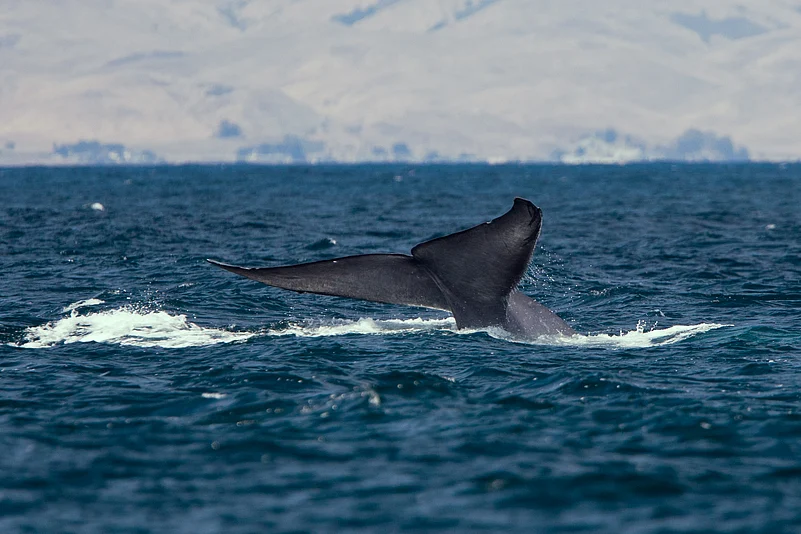
For travellers seeking a whale-watching adventure closer to India, Sri Lanka’s southern coast is an excellent place to start. Boats depart from Mirissa and head into the Indian Ocean, where blue whales, the largest animals on Earth, can be spotted during their seasonal movements. Sperm whales and Bryde’s whales are also recorded in these waters.
Most excursions take place in the morning and last several hours, depending on sea conditions and the location of sightings. Pack sun protection, carry binoculars if you have them, and prepare for a journey offshore rather than expecting to see whales from the beach.
Mirissa also makes a convenient base for exploring southern Sri Lanka. Pair a whale-watching trip with time on the region’s beaches, a visit to historic Galle Fort or a drive along the palm-fringed coastline. December to March is generally the key season here; travellers visiting Sri Lanka’s east coast should look at Trincomalee between March and July instead.
Best time to visit: December to March
Whales to look for: Blue whales, sperm whales, and Bryde’s whales
The Azores, Portugal: A Mid-Atlantic Marine Wildlife Haven
The Azores, an archipelago of nine volcanic islands in the North Atlantic, is one of Europe's most rewarding destinations for marine wildlife. More than 25 cetacean species have been recorded in its waters, making each trip a chance to discover something different.
Sperm whales are among the archipelago’s resident species, while blue, fin and sei whales pass through during spring migration. Tours operate from several islands, including São Miguel, Pico and Faial. Experienced guides help locate whales and explain their behaviour, while the surrounding Atlantic provides a dramatic backdrop of volcanic peaks and deep-blue water.
There is plenty to do between excursions. Hike through crater landscapes, visit natural volcanic swimming pools, explore traditional island villages or sample local seafood. Spring is particularly rewarding for spotting migrating baleen whales, although summer brings excellent opportunities to see resident sperm whales and dolphins.
Best time to visit: April to June for migratory whale diversity; sperm whales can be seen year-round
Whales to look for: Sperm, blue, fin, and sei whales
Kaikōura, New Zealand: Watch Sperm Whales Dive Into The Deep

Kaikōura, on New Zealand’s South Island, has a geographical advantage that makes it a standout whale-watching destination. A deep underwater canyon lies close to the coast, supporting marine food chains that sustain sperm whales throughout the year.
Boat trips head offshore to look for these deep-diving mammals. One of the most memorable sights comes when a sperm whale lifts its tail flukes before plunging into the depths in search of squid. Depending on the season, you may also encounter migrating humpbacks, southern right whales or orcas, alongside dusky dolphins and New Zealand fur seals.
If you prefer a different perspective, some operators offer aerial whale-watching experiences. On land, explore Kaikōura’s coastal walks, sample its famous seafood, or head out to photograph the mountains rising behind the Pacific. Unlike many seasonal destinations, Kaikōura offers whale-watching opportunities throughout the year, though the species you encounter can vary.
Best time to visit: Year-round
Whales to look for: Sperm whales, with seasonal humpback and southern right whale sightings
Hermanus, South Africa: Spot Whales From The Coast
You do not always need to board a boat to watch whales. In Hermanus, a coastal town in South Africa’s Western Cape, southern right whales often come close enough to shore to be spotted from the cliffs above Walker Bay. During the breeding season, visitors may see adults surfacing alongside their calves in the sheltered coastal waters.
Follow the Hermanus Cliff Path for elevated views across the bay, or book a boat excursion for a different perspective. The town is also known for its annual whale festival, which celebrates the seasonal arrival of these marine mammals.
Make the most of the trip by exploring nearby vineyards, coastal nature reserves and the scenic drive between Cape Town and the Overberg region. Southern right whales are generally seen from June to November, while humpbacks migrate along the coast over a broader period. Hermanus is particularly appealing if you want a wildlife holiday that combines outdoor activities with excellent opportunities for land-based observation.
Best time to visit: June to November
Whales to look for: Southern right whales and humpback whales
Baja California, Mexico: Enter The Winter World Of Grey Whales

Every winter, grey whales travel south from their feeding grounds in the Arctic to the sheltered lagoons of Mexico’s Baja California Peninsula. These coastal waters become important breeding and calving areas, making them a remarkable place to observe the whales during a crucial stage of their life cycle.
Head to lagoons such as San Ignacio or Ojo de Liebre, where authorised local operators take visitors out in small boats to look for grey whales. Sightings may include mothers with calves, adults surfacing near the boats and whales lifting their heads above the water. Encounters happen on the animals’ terms, so follow guides’ instructions and never pressure an operator to approach too closely.
For a broader trip, explore Baja’s desert landscapes, Pacific beaches and coastal communities. The town of Loreto, on the Gulf of California, is another useful base for seasonal blue whale excursions. Plan around the species you most want to see: grey whales are especially associated with the winter lagoon season, while blue whale sightings are a draw in the Gulf.
Best time to visit: January to April, with many prime lagoon encounters in February and March
Whales to look for: Grey whales, with blue and humpback whales in other parts of the region
A few things to remember before your whale-watching trip
Choose the right season: Whale migration varies by species and destination, so check local seasonal guidance before booking flights.
Look for responsible operators: Choose licensed tours that follow local wildlife regulations, maintain appropriate distances and do not chase or surround whales.
Prepare for the sea: Carry sunscreen, a waterproof layer and motion-sickness medication if you need it. Offshore conditions can change quickly.
Keep expectations realistic: Wild whales move freely, and no responsible operator can guarantee a sighting.
Respect the animals: Avoid touching, feeding or entering the water with whales unless the activity is expressly permitted and conducted under strict local rules.
The best whale-watching holidays are about more than ticking a species off your list. They give you a chance to understand migration, marine habitats and the lives of animals that spend much of their time beyond human sight. Choose your destination around the species you hope to encounter, give yourself enough time at sea and let the wildlife set the pace.
FAQs
1. What are the best whale watching destinations in the world?
Some of the most remarkable whale watching destinations include Húsavík in Iceland, Mirissa in Sri Lanka, Portugal’s Azores, Kaikōura in New Zealand, Hermanus in South Africa and Baja California in Mexico. Each is known for different whale species, seasonal migrations and marine habitats.
2. When is the best time to go whale watching?
The best time depends on the destination and species. Húsavík is popular from June to September, Mirissa from December to March, and the Azores from April to June for migratory whales. Hermanus is known for southern right whales from June to November, while grey whales visit Baja California’s lagoons mainly from January to April. Kaikōura has year-round sperm whale sightings.
3. Where can you see blue whales in the wild?
Blue whales can be spotted in several locations, including the waters off Mirissa in Sri Lanka and the Azores in Portugal. The Gulf of California near Mexico’s Baja Peninsula is another destination associated with seasonal blue whale sightings. Sightings depend on the season and ocean conditions.
4. Can you watch whales without taking a boat tour?
Yes. Hermanus in South Africa is particularly well known for land-based whale watching, with southern right whales often visible from the coastal cliffs and the Hermanus Cliff Path. Other coastal destinations may also have viewpoints from which whales can occasionally be spotted, although sightings are never guaranteed.
5. How can you choose a responsible whale watching tour?
Choose licensed operators that follow local wildlife regulations, maintain appropriate distances and avoid chasing or surrounding whales. Follow your guide’s instructions, never pressure operators to approach animals closely, and avoid touching or feeding wildlife. Remember that whales are wild animals, so no tour can guarantee a sighting.