


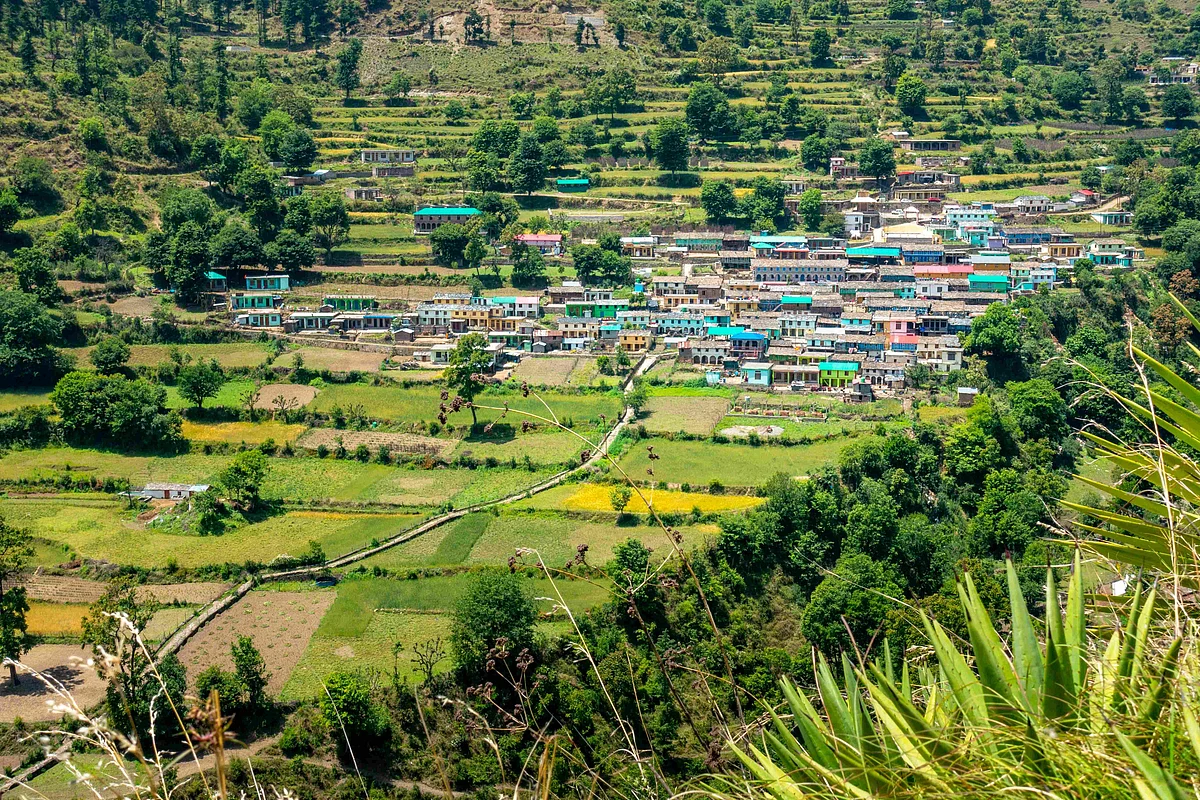
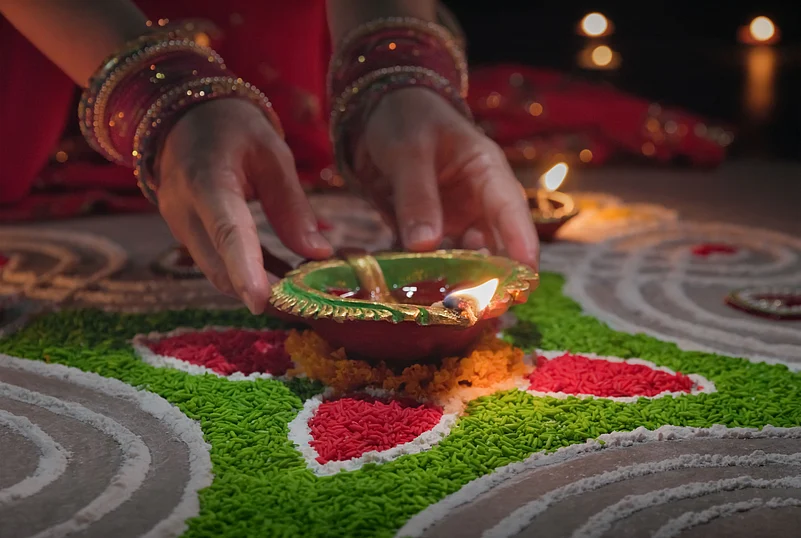
When much of India was lighting diyas and celebrating Diwali on November 8 this year, the mountain villages of Uttarakhand were preparing for a celebration of their own, one that was still days away. In parts of the state, the festive season continues well beyond the main Diwali, with families and communities coming together eleven days later for Igas Bagwal, also known as Budhi Diwali.
Falling on November 20 in 2026, the festival is rooted in local folklore and age-old mountain traditions, with a mix of folk music, fire rituals, traditional food and a deep sense of gratitude towards nature. Predominantly celebrated in Garhwal, Igas Bagwal offers travellers a chance to experience a lesser-known side of Uttarakhand's cultural heritage. But why do these mountain communities celebrate Diwali so late, and what makes the festival special? Here's everything you need to know.
Why Is Diwali Celebrated 11 Days Later In Uttarakhand?

The Delayed Return Of Lord Rama
According to local folklore, when Lord Rama returned to Ayodhya after defeating Ravana, news of his victory took eleven additional days to reach the remote villages of Garhwal. Owing to the difficult mountain terrain and limited communication, villagers only learnt about his return much later. They lit their lamps and celebrated as soon as the news reached them, giving rise to the tradition of celebrating Diwali eleven days after the festival in the plains.
The Story Of Madho Singh Bhandari
Another popular legend is associated with Madho Singh Bhandari, a celebrated 17th-century general from Garhwal. According to the story, his army was away on a military campaign in Tibet and had not returned by the time Diwali arrived. Worried about the soldiers, the villagers decided not to celebrate. When Madho Singh Bhandari and his men finally returned victorious eleven days later, the villages lit their lamps and celebrated their homecoming.
How Is Igas Bagwal Celebrated?
Worshipping Cattle And Giving Thanks
Livestock has traditionally played an important role in the agricultural life of Uttarakhand's mountain communities. Cows and bullocks are therefore an important part of Igas celebrations.
On the morning of the festival, families bathe their cattle, apply oil to their horns, decorate them with flowers and offer prayers. They also prepare special food known as pinda, made using local grains and lentils, which is fed to the animals as a gesture of gratitude.
The Spectacular Bhailo Fire Ritual
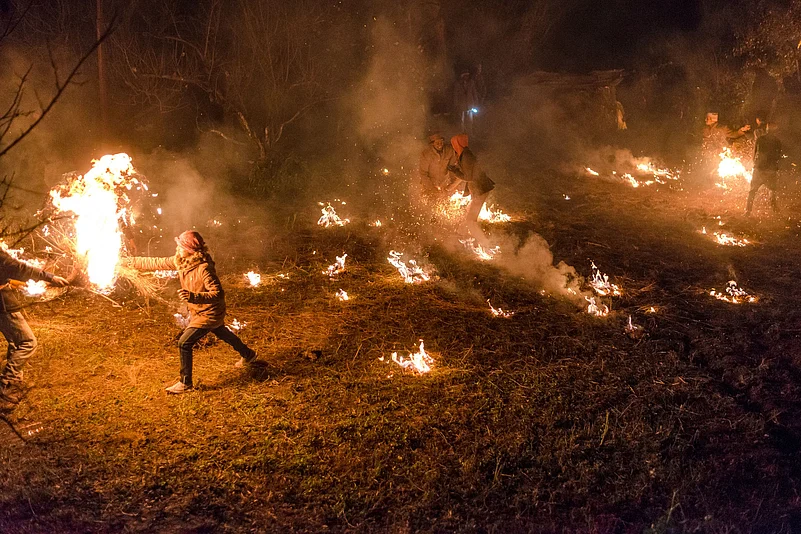
One of the most distinctive parts of Igas Bagwal is Bhailo, a traditional fire ritual that brings villagers together after sunset. Bundles of resin-rich pine wood, locally known as chilla, are tied securely to ropes and set alight. Participants then swing the burning bundles in large circles, creating dramatic patterns of fire against the dark mountain sky.
In some parts of Uttarkashi, a similar tradition is known as Holla. The ritual is accompanied by traditional songs and celebrations, making it one of the most memorable sights of the festival.
Folk Music, Dancing And Village Gatherings
Music is another important part of Igas Bagwal. Villagers gather in courtyards and open spaces to the beats of the dhol and damau, traditional percussion instruments of Uttarakhand. Folk dances such as Jhumelo and Tandi bring people together, while traditional Pahadi songs keep the celebrations going.
What To Eat During Igas Bagwal
Food is an important part of the festivities, with families preparing traditional delicacies using locally grown grains, lentils and seasonal ingredients. Some dishes to look out for include:
Swale: Deep-fried, puffed breads, sometimes stuffed with spiced black lentils.
Arse: Sweet, deep-fried cakes made using rice flour and jaggery.
Urad Dal Pakode: Crispy fritters prepared with black gram and local spices.
Jhangora Ki Kheer: A traditional pudding made using barnyard millet, milk and jaggery.
Aloo Ke Gutke: A popular Pahadi potato preparation cooked with mustard oil, red chillies and jakhiya seeds.
Where To Experience Igas Bagwal In Uttarakhand
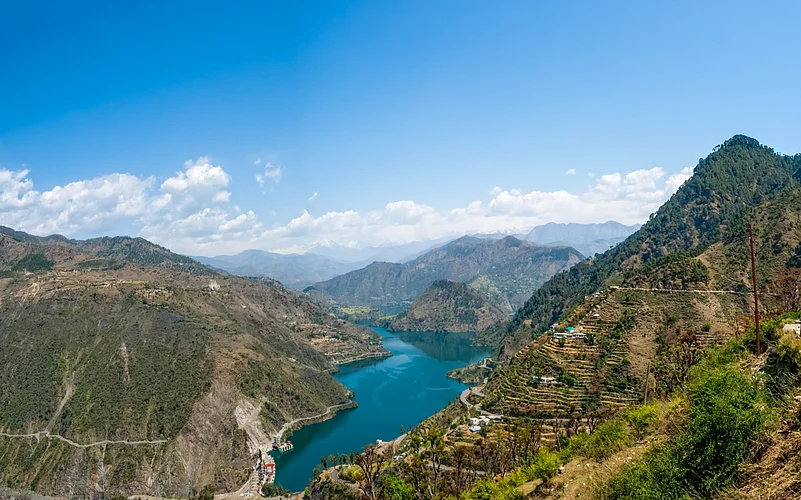
Since Igas Bagwal is primarily a community-led festival, the best way to experience it is to spend time in a village rather than look for large-scale tourist celebrations. Staying with a local family can also offer a better understanding of the traditions and their significance.
Tehri Garhwal
Villages around Chamba, Kanatal and Dhanaulti offer a convenient starting point for travellers coming from Dehradun or Delhi. You can look for locally run homestays and ask your hosts about celebrations in nearby villages.
Uttarkashi
For a more immersive mountain experience, head towards the Tons Valley and Har Ki Dun region. Villages such as Osla, Sankri and Gangad are known for their traditional architecture and strong village culture. The region also has its own local variations of festive celebrations, including Holla.
Pauri Garhwal And Rishikesh Outskirts
The rural areas around Yamkeshwar, Lansdowne and Pauri offer opportunities to experience village festivities at a slower pace. These locations are worth considering if you want to combine a visit to the hills with a homestay experience.
Dehradun And Mussoorie
If travelling to a remote village is not practical, look out for cultural programmes organised by Garhwali associations in Dehradun and Mussoorie. These may include folk music performances, Dhol-Damau presentations and traditional food.
Things To Know Before Planning Your Trip
Igas Bagwal is best experienced with a little planning, particularly if you intend to visit smaller villages.
Choose a local homestay: Contact your accommodation in advance and check whether the host family celebrates Igas. Not every property will organise special activities for visitors.
Pack for the mountain weather: November can be pleasant during the day, but temperatures drop considerably after sunset, particularly in higher-altitude villages. Carry warm jackets, thermals, woollens and comfortable closed-toe shoes.
Be mindful around fire rituals: Bhailo involves burning pine wood being swung through the air. Watch from a safe distance, follow local instructions and keep children away from the activity.
Igas Bagwal is a reminder that festivals do not always have to be about grand celebrations. Sometimes, they are about returning home, giving thanks and spending time with the people around you. In the villages of Uttarakhand, eleven days after the rest of the country has put away its Diwali lights, the mountains find their own reason to celebrate.
FAQs
1. When is Igas Bagwal in 2026?
Igas Bagwal falls on November 20, 2026. The festival is traditionally celebrated after Diwali in parts of Uttarakhand.
2. Why is Igas Bagwal celebrated 11 days after Diwali?
Local folklore offers two explanations. One story says news of Lord Rama's return to Ayodhya took eleven days to reach remote Garhwal villages. Another links the celebration to the return of Madho Singh Bhandari and his soldiers from a military campaign.
3. What is Igas Bagwal also known as?
Igas Bagwal is also known as Budhi Diwali and is celebrated predominantly in the Garhwal region of Uttarakhand.
4. What are the main traditions of Igas Bagwal?
Celebrations include worshipping cattle, the Bhailo fire ritual, folk music, traditional dances and community feasts.
5. Where can you experience Igas Bagwal in Uttarakhand?
Travellers can explore village celebrations in parts of Tehri Garhwal, Uttarkashi and Pauri Garhwal. Staying at a local homestay is one way to experience the festivities.


