

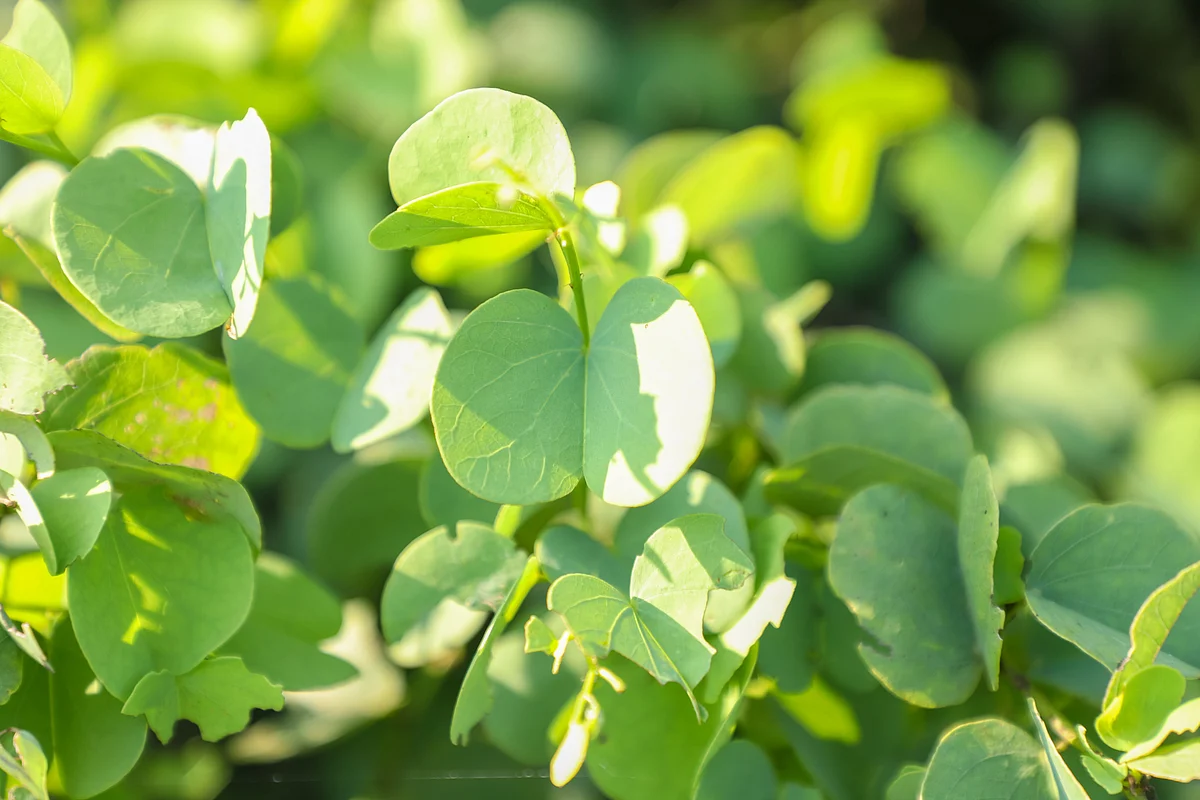
In Maharashtra, Dussehra is marked by a tradition that turns an ordinary exchange into a gesture of goodwill. People visit friends, family members and neighbours, carrying something small to offer and a wish for prosperity in return. There is no gold involved, at least not in the usual sense. Instead, the gift is a handful of green leaves, which are exchanged as a symbol of wealth, good fortune, and abundance. Known as sona, or gold, these are leaves of the Apta tree (Bauhinia racemosa), and the custom has roots in mythology and local history that explain how they came to hold such significance.
The Legend Of Kautsa And The Rain Of Gold
One of the most popular stories associated with the tradition is that of Kautsa, a young scholar who had completed his education under the sage Rishi Varatantu. When it was time to leave his guru's care, Kautsa insisted on offering guru-dakshina, a traditional gift given to a teacher in gratitude for their guidance.
His guru demanded 14 crore gold coins, an amount Kautsa could not possibly afford. Determined to fulfil his obligation, the young scholar approached Lord Rama for help. Rama, in turn, sought the assistance of Kubera, the god of wealth.
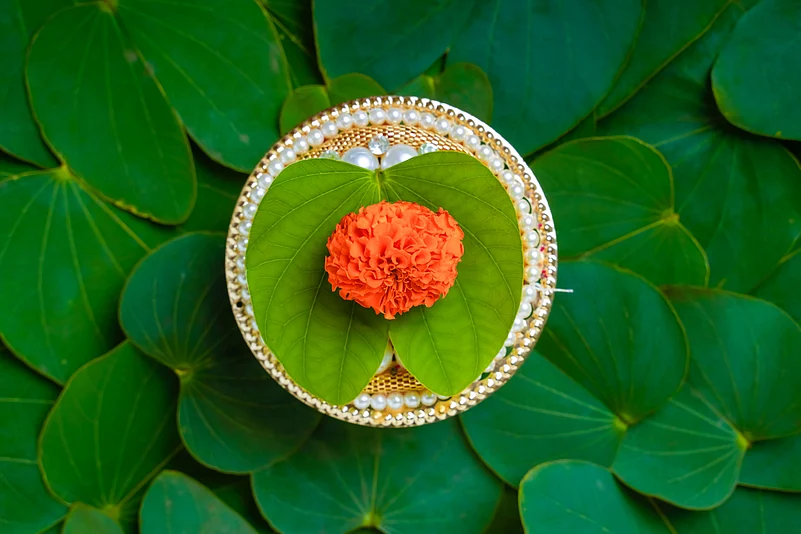

According to the legend, Kubera showered gold coins upon an Apta tree. Kautsa collected only the amount he needed to pay his guru and left the rest behind. Others gathered the remaining gold, and the story became associated with Dussehra, giving rise to the belief that Apta leaves symbolise wealth and abundance.
Over time, the leaves themselves came to stand in for gold. Exchanging them became a way of wishing one another prosperity without the need for anything expensive.
The Shami Tree And The Pandavas
Another legend associated with Dussehra comes from the Mahabharata. During their year of exile in disguise, the Pandavas hid their weapons in a Shami tree to keep them safe. When their period of exile ended, they returned to retrieve their weapons and prepare for battle.
The tree had protected their weapons through their absence, making it a symbol of strength, protection, and victory. The Pandavas' story is one reason the Shami tree is also worshipped during Dussehra in several parts of India.
While the Apta tree is central to the gold-leaf exchange in Maharashtra, the Shami tree carries its own significance in the wider traditions surrounding Vijayadashami. Both stories connect the festival with the hope of overcoming challenges and beginning anew.
A Tradition Shaped By Maratha History
The exchange of Apta leaves also has a connection with Maharashtra's military history. During the Maratha period, Dussehra was considered an auspicious time to worship weapons and horses before setting out on military campaigns after the monsoon.
The practice of Shastra Puja, or the worship of weapons, marked the occasion. Warriors would also undertake Simollanghan, which literally refers to crossing a boundary. Traditionally, this involved going beyond the village or town limits, symbolising the courage to venture into new territory and the hope of returning victorious.
According to popular accounts of the custom, soldiers returning from successful campaigns would collect Apta or Shami leaves and present them to their mothers, wives, and sisters as sona. The leaves represented the wealth and prosperity they hoped to bring home.
The martial significance of the ritual became intertwined with a more personal tradition of exchanging good wishes among family members and friends.
How The Sona Exchange Takes Place Today
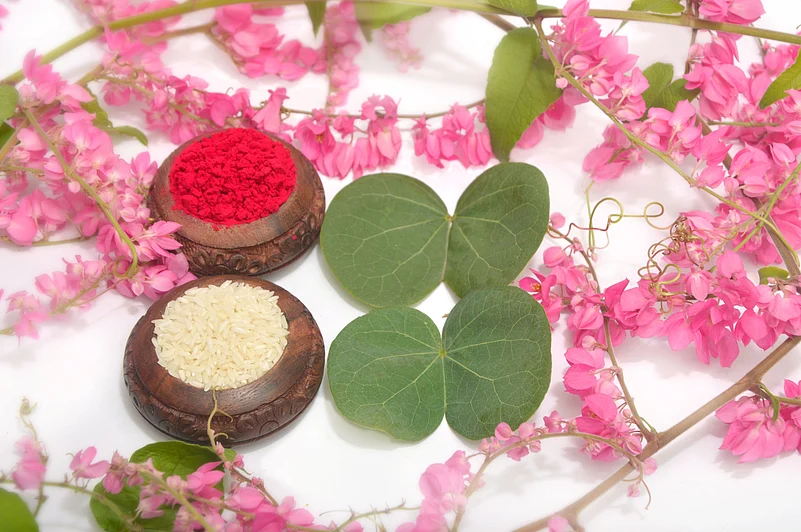
Today, the ritual is a familiar part of Dussehra celebrations in many Maharashtrian households. Families begin the day with prayers and worship, often cleaning their homes and decorating their entrances with marigold flowers and mango-leaf garlands.
Tools of work, books, vehicles, and other objects associated with one's livelihood may also be worshipped as part of the day's rituals. The practice reflects a simple belief that the things people work with deserve gratitude and respect.
In the traditional Simollanghan ritual, families step beyond their local boundaries, often in the late afternoon or evening. Some visit a Shami or Apta tree, while others participate in the ritual in a way that suits their neighbourhood and family customs.
The exchange of leaves, known as sona watne, is the heart of the celebration. A few leaves may first be offered to the household deities. Younger family members then offer them to elders, often bowing to touch their feet and seek their blessings. The leaves are also exchanged among siblings, friends and neighbours.
As they hand over the leaves, people say, “Sona ghya, sonyasarkhe raha,” which translates to “Accept this gold and remain like gold.” It is a warm wish for a life filled with prosperity, goodness and happiness.
Some families also have their own customs. A son-in-law, for instance, may offer sona to his mother-in-law and receive a coconut or another token of blessing in return.
More Than Just A Leaf
Like many Indian festive traditions, the exchange of Apta leaves brings together mythology, history and everyday relationships. The stories of Kautsa and the Pandavas explain the symbolism behind the ritual, while its association with Maratha warriors adds another layer of meaning.
The celebrations often continue around the dining table, with families preparing festive dishes such as puran poli, sweet flatbreads filled with chana dal and jaggery, alongside traditional Maharashtrian preparations.
But the most meaningful part of the ritual remains the exchange itself. A few green leaves pass from one person to another, carrying wishes for a prosperous year ahead. On Dussehra, the idea of gold becomes less about what something costs and more about what it represents: goodwill, gratitude and the hope that the people around us continue to flourish.
FAQs
1. Why are Apta leaves exchanged as gold on Dussehra in Maharashtra?
Apta leaves are exchanged as sona, or gold, as a symbol of prosperity, abundance and goodwill. The tradition is associated with the legend of Kautsa and Kubera, in which gold coins are said to have appeared on an Apta tree.
2. What is the legend behind the Apta leaf tradition?
According to a popular legend, the scholar Kautsa sought gold to offer as guru-dakshina to his teacher. Lord Rama approached Kubera, the god of wealth, for help, and Kubera showered gold coins upon an Apta tree. The story is associated with the custom of treating Apta leaves as symbolic gold.
3. What does sona watne mean?
Sona watne refers to the Dussehra custom of exchanging Apta leaves as symbolic gold. People offer the leaves to family members, friends, neighbours and elders as a gesture of goodwill and a wish for prosperity.
4. What does the phrase “Sona ghya, sonyasarkhe raha” mean?
The Marathi phrase translates to “Accept this gold and remain like gold.” It expresses a wish for prosperity, goodness and happiness.
5. What is the significance of the Shami tree on Dussehra?
The Shami tree is associated with the Mahabharata, in which the Pandavas hid their weapons in a tree during their exile. Its connection with the safe keeping and retrieval of their weapons has made it a symbol of protection, strength and victory in Vijayadashami traditions.