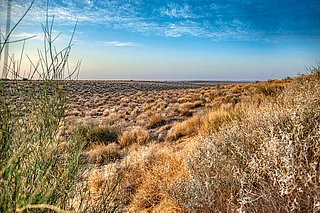


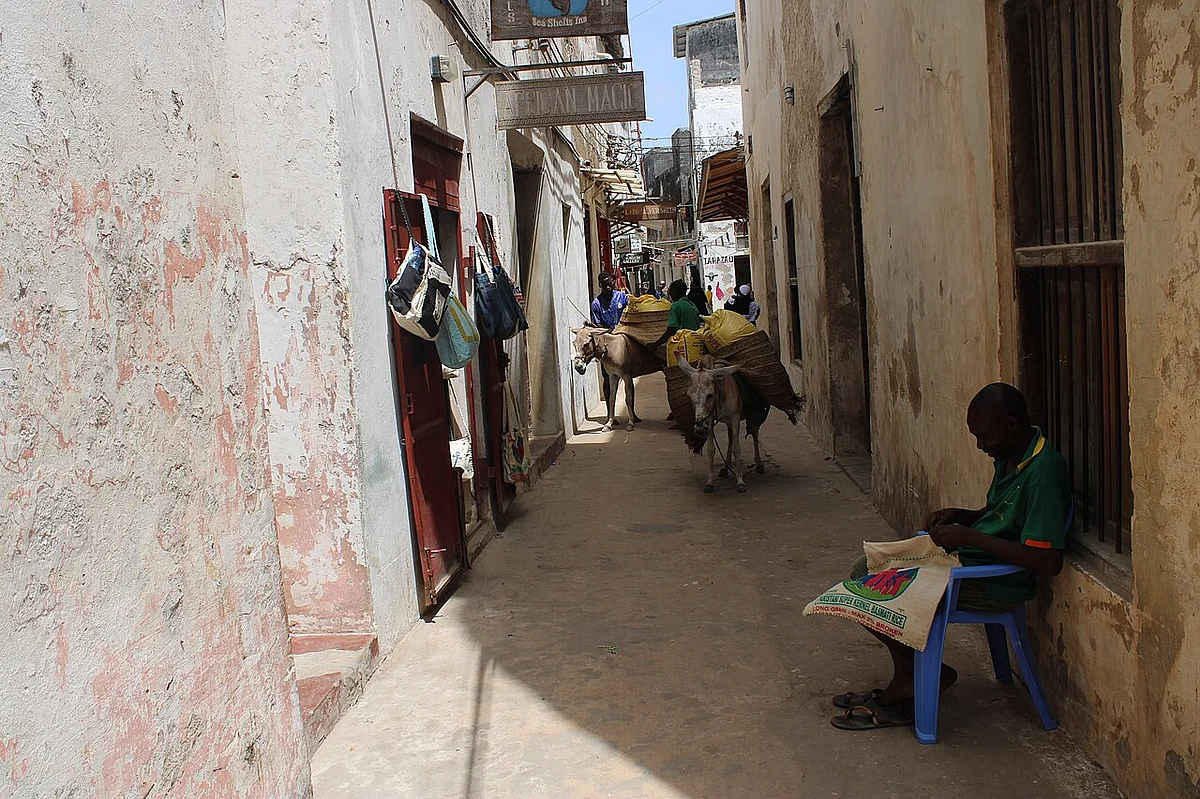
Ancient traditions are still actively lived and celebrated worldwide. Rather than being confined to museums, heritage continues in everyday life in many countries. You’ll find this sense of continuity still strongly present in Tanzania. Long-standing ways of living, cultural practices, and shared knowledge remain part of daily experience as you move through different regions. Exploring Tanzania's living history offers an authentic glimpse into traditions that have survived for millennia.
The Hadzabe: Living Close to Nature’s Rhythm
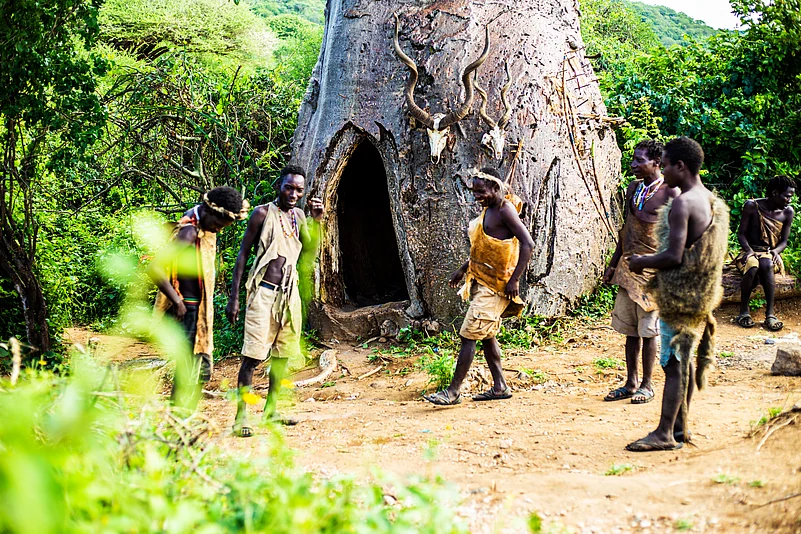

Residing near the shores of Lake Eyasi, the Hadzabe in Tanzania are among the last remaining hunter-gatherer communities on earth.
Survival Methods: Daily life centres on foraging and hunting, using simple bows and arrows, with food gathered from wild honey, tubers, and fruits.
Social Structure: They speak a distinct click-based language and make collective decisions, moving their camps in response to seasonal change.
The Maasai: Pastoral Life and Age-Set Traditions

The Maasai dominate northern Tanzania, maintaining a profound spiritual connection to the land and their cattle.
The Role of Cattle: Livestock is central to their economy and culture, dictating grazing and traditional movement.
Rites of Passage: Elaborate ceremonies remain a pillar of their community, marking transitions to adulthood, such as the Emorata (circumcision) and Eunoto (warrior graduation).
To truly understand the historical preservation of these communities, read more about how cultural identities are closely linked to their traditional landscapes on Terralingua.
The Chagga: Life on the Slopes of Kilimanjaro
Living on the fertile slopes of Mount Kilimanjaro, the Chagga maintain a close relationship with the land and its rhythms.
Agriculture: Farming is still guided by long-established methods, including carefully managed irrigation systems that make use of the mountain’s natural water sources.
Cultural History: Marriage traditions, initiation practices, and oral storytelling continue to be passed down, helping to preserve a strong sense of identity across generations.
Swahili and Coastal Traditions: Life Shaped by the Sea
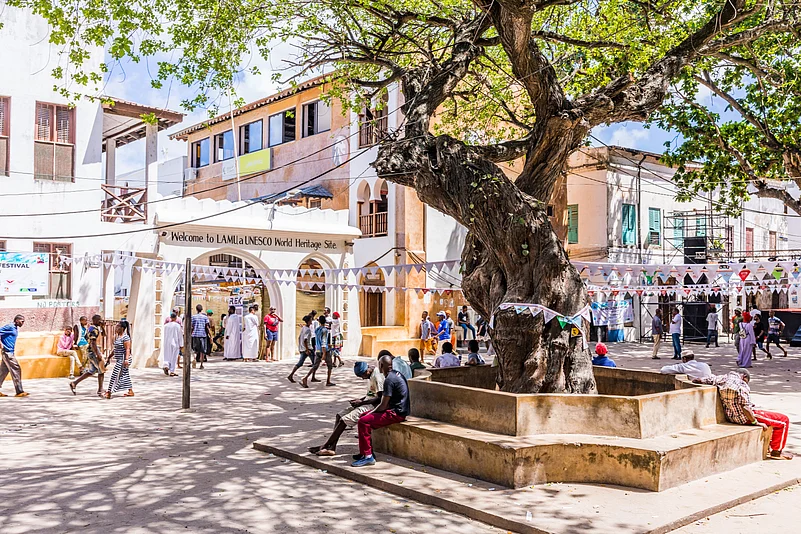
Along Tanzania’s coast and the Zanzibar archipelago, Swahili culture carries a long blend of African, Arab, Indian and Persian influences that still shows up in everyday life.
Islamic Traditions: Daily routines are shaped by faith, with prayer times marking the day and major festivals such as Ramadan and Eid bringing people together in shared observance and celebration.
Craftsmanship and Seafaring: Along the shoreline, old skills remain in use, from dhow building and sailing to carving and small-scale craftwork. Trade, fishing, and the use of coastal spices continue to reflect a way of life closely linked to the sea.
The Datoga: Fire, Metal, and Identity
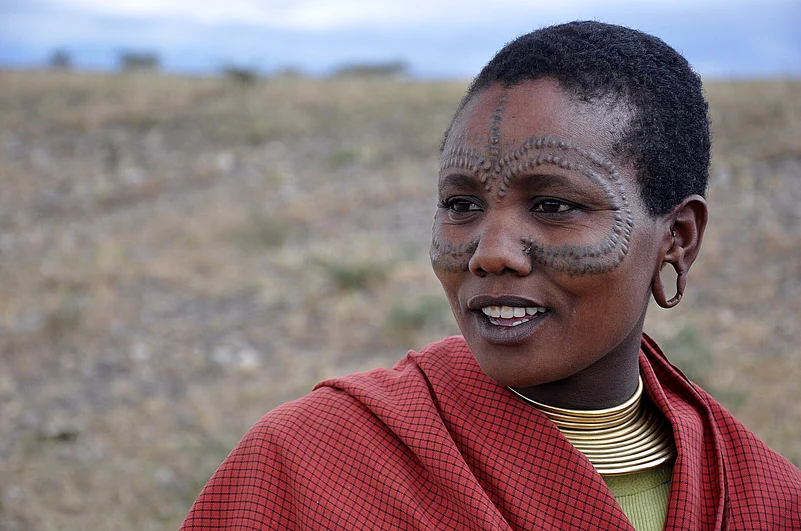
Living around Lake Eyasi as pastoralist neighbours to other communities, the Datoga are known for a strong cultural identity shaped by craftsmanship and tradition.
Iron Age Technology: Skilled blacksmiths continue to work with metal using simple charcoal fires and bellows, transforming scrap into practical tools, arrowheads, and jewellery in a way that reflects long-standing techniques.
Cultural Dress: Dress is distinctive and expressive, with decorated leather clothing and detailed beadwork, alongside facial markings that hold cultural meaning within the community.
Language Isolation: The Datoga speak a language that is quite separate from those of nearby groups, helping preserve a distinct linguistic and cultural identity.
The Makonde: Carving Spirit and Story
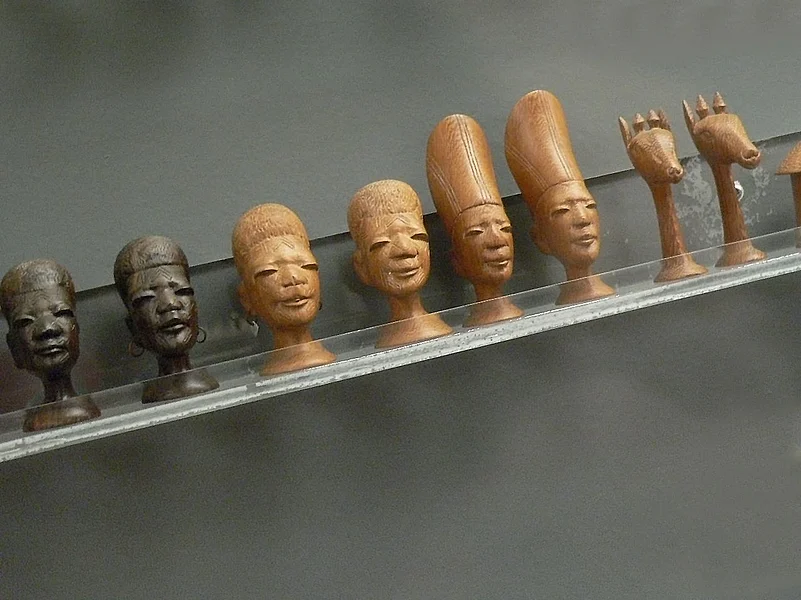
From the southern highlands, the Makonde are widely known for wood carving that carries deep cultural meaning and reflects long-held beliefs about life, ancestry and the spirit world.
Ujamaa (Life Trees): Skilled carvers shape dense ebony wood into detailed, interlinked human forms, symbolising family ties, continuity between generations, and the connection between the living and those who came before.
Mapiko Masquerades: During initiation periods, masked performances take place using carved wooden masks, with dancers moving through the community in symbolic displays that mark transition into adulthood and reinforce shared values and responsibilities.
The Iraqw: Ancient Underground Architecture
In the highlands near Karatu in the Great Rift Valley, the Iraqw maintain a way of life shaped by the landscape and long-standing traditions of settlement and community.
Earthen Homesteads: Their homes are built partly below ground level and into hillsides, using earth, sod, and thatch, designed to sit quietly within the natural surroundings while offering shelter and protection.
Intricate Beadwork: Traditional dress is marked by detailed bead patterns arranged in geometric designs, often carrying social meaning linked to family identity and a woman’s stage in life.
Experiencing Tanzania’s Living Heritage
If you want to see these traditions up close, it’s best done through properly run cultural tourism programmes that work with local communities rather than around them. These visits are usually led by local guides who are familiar with the places and customs, helping to maintain respect.
For planning, the Tanzania National Parks Authority offers practical information on protected areas, while Zanzibar’s tourism office shares useful background on coastal heritage and Swahili history.
FAQs
Can travellers visit these communities?
Yes, but only through approved cultural tourism programmes that work with local guides and respect community boundaries.
Are these traditions still practised today or mainly for tourism?
They are still part of everyday life, with tourism acting as a small, carefully managed addition rather than the focus.
Do visitors need permission to enter cultural areas?
In many cases, yes. Access is often regulated and organised in advance through official channels or local operators.
How should travellers behave when visiting?
Respectful dress, asking before taking photographs, and following your guide’s advice are essential.
Where can I find reliable information before travelling?
Start with official tourism bodies such as the Tanzania National Parks Authority and Zanzibar’s tourism resources for up-to-date guidance.