When Tanzania’s wildlife is mentioned, the Serengeti National Park is usually the first place that comes to mind. It has earned its reputation as one of the world’s premier safari destinations, but it represents only part of the country’s broader natural heritage. Beyond it lies an extensive system of protected areas, each with its own distinct scenery, ecological character, and wildlife encounters—many of which offer equally rich experiences with far fewer visitors.
Ngorongoro Conservation Area: A Natural Amphitheater of Life
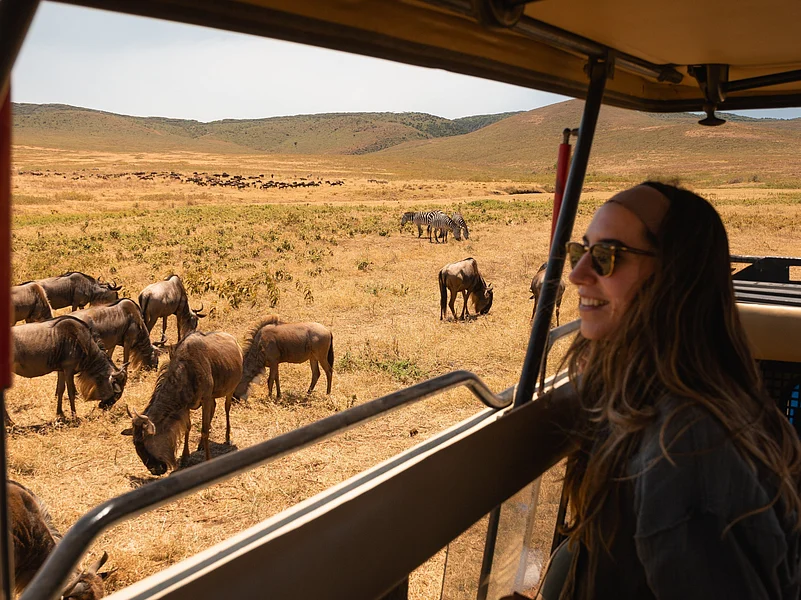

The Ngorongoro Conservation Area in northern Tanzania is a UNESCO World Heritage Site built around the Ngorongoro Crater, the world’s largest intact volcanic caldera. Formed millions of years ago, it supports an exceptional concentration of wildlife while also being home to Maasai pastoralist communities. It is one of Africa’s most distinctive landscapes, combining geology, biodiversity, and human heritage in a single protected area. The Ngorongoro Crater is a 264 sq km volcanic caldera formed around 2.5 million years ago, with steep walls rising roughly 600 metres. It contains over 25,000 large animals and has the highest density of mammalian predators in Africa.
Landscape, Heritage and Natural Features
Located about 180 km west of Arusha, the area forms part of the wider Serengeti ecosystem and plays a role in the wildebeest migration. It contains significant geological and historical features, including Olduvai Gorge, known as the “Cradle of Mankind”, as well as volcanic sites like Olmoti and Empakaai craters and the shifting sands formation. The landscape combines grasslands, forests and crater highlands shaped by volcanic activity.
People, Culture and Conservation
The Ngorongoro Conservation Area is a “multiple land use” zone where wildlife conservation and human life coexist. Maasai communities live in traditional bomas and maintain semi-nomadic pastoral lifestyles within the protected area. Management is overseen by the Ngorongoro Conservation Area Authority (NCAA), which regulates tourism and land use to balance ecological protection with the needs of local people.
Tarangire National Park: Land of Giants

Tarangire National Park sits in northern Tanzania and is best known for its huge elephant herds, which is why people often call it the “Elephant Kingdom”. It’s a big place too, covering about 2,850 km², and feels especially wild once you get away from the main routes. The landscape changes quite a bit as you move through it. There are baobab trees scattered across the plains, stretches of acacia woodland, and swampy areas that appear and disappear with the seasons. The Tarangire River really shapes everything here. When the dry season arrives, it’s one of the only reliable water sources left, so from June to October, animals start moving in, and the park becomes far busier with wildlife than at other times of year.
Landscape, Heritage and Natural Features
The park is shaped by the Tarangire River, a crucial water source during the dry season that attracts thousands of migratory animals, including wildebeests, zebras and cape buffalo. Its scenery is characterised by towering baobab trees, acacia woodlands and seasonal swamps that support diverse habitats. Located in the Manyara Region, Tarangire forms part of a wider northern Tanzania ecosystem that supports seasonal wildlife movement.
People, Culture and Conservation
Established in 1970, Tarangire sits within an area historically used by pastoralist communities, with conservation efforts now focused on maintaining wildlife corridors and ecological balance. The park is managed to protect its high-density elephant populations and support species migration beyond its boundaries. Tourism infrastructure is developed but controlled, with activities such as game drives, walking safaris and hot air balloon flights regulated to minimise environmental impact while allowing visitor access.
Ruaha National Park: Wild and Untamed

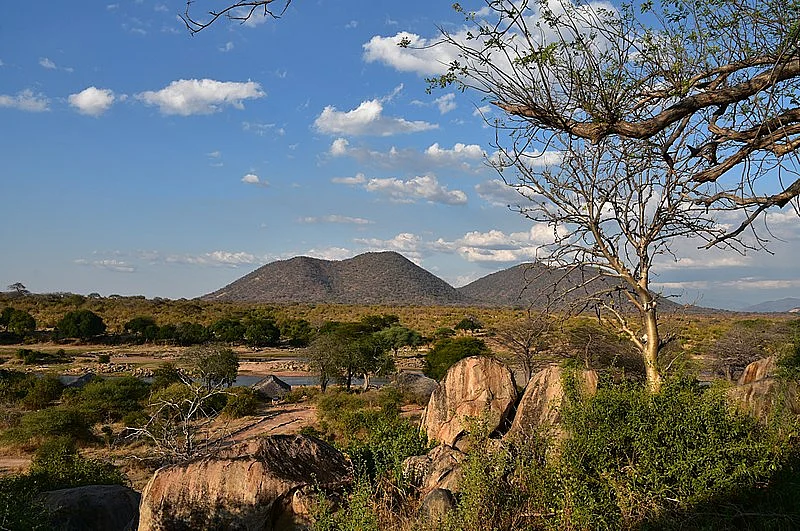
Ruaha National Park is Tanzania’s largest national park, covering about 20,226 sq km in the southern part of the country. It feels remote and largely untouched, with far fewer visitors than the northern circuit. The landscape is rough and open, shaped by river systems, baobab woodlands and wide stretches of savannah that change dramatically with the seasons.
Landscape, Heritage and Natural Features
The park in Tanzania is defined by the Great Ruaha River, which acts as a vital water source during the dry season and draws large numbers of animals to its banks. Around it, the land shifts between rocky escarpments, dry riverbeds, acacia woodland and miombo forest. Ruaha also sits in a transition zone, meaning it supports species from both East and Southern Africa, including greater and lesser kudu, roan antelope and sable antelope.
People, Culture and Conservation
Ruaha is managed as a largely wilderness-focused conservation area, with limited infrastructure to preserve its remote character. Access is mainly by light aircraft into airstrips such as Msembe or Jongomero. Conservation efforts are centred on protecting large predator populations and maintaining one of Tanzania’s most important elephant strongholds. Tourism is low-impact and concentrated around key safari routes, particularly during the dry season from June to October, when wildlife gathers around the river.
Nyerere National Park: Africa’s Largest Protected Area

Nyerere National Park is located in southern Tanzania and was officially established in 2019 from the northern section of the former Selous Game Reserve. It is now among Africa’s largest national parks, covering over 30,000 sq km. The landscape feels vast and largely untouched, shaped by wide rivers, wetlands and endless stretches of woodland and savannah.
Landscape, Heritage and Natural Features
The park is dominated by the Rufiji River, which spreads into a complex system of lakes, channels and swamps. This creates one of the most distinctive wetland safari environments in Africa. The terrain shifts between open grassland, dense woodland and floodplains, supporting a wide range of habitats. Nyerere’s size and low human presence give it a strong sense of isolation compared to more visited parks.
People, Culture and Conservation
Named after Tanzania’s first president, Julius Nyerere, the park reflects a major conservation effort to protect a vast wilderness under a single protected area. It remains a key stronghold for species such as elephants, lions and endangered African wild dogs. Access is carefully managed, mainly via light aircraft from Dar es Salaam, with tourism focused on low-impact activities such as boat safaris, game drives and guided walking experiences.
Mahale Mountains And Gombe: Forest Primates Of Lake Tanganyika
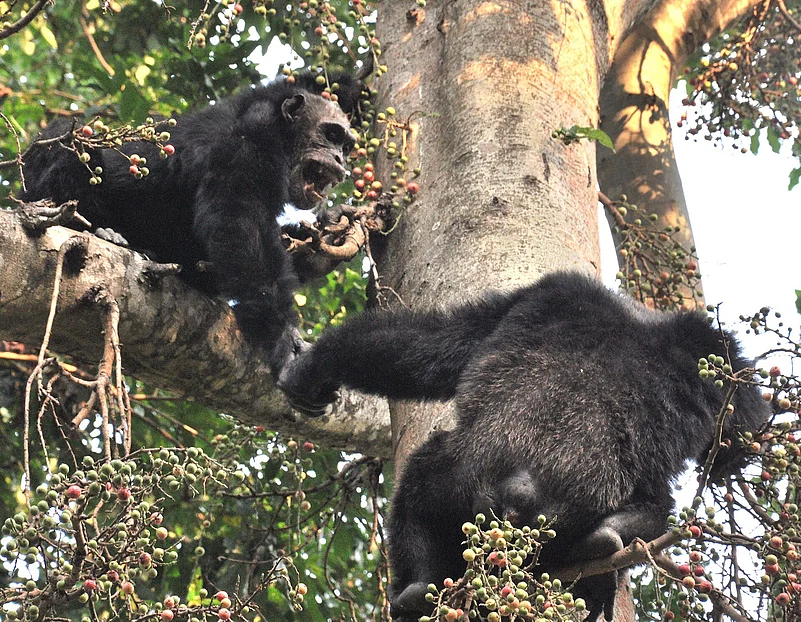
Mahale Mountains National Park and Gombe Stream National Park sit along the shores of Lake Tanganyika in western Tanzania, and are best known as important chimpanzee hubs. Both are remote, forested parks where wildlife encounters feel unusually close and personal, shaped by dense jungle, steep mountains and the vast expanse of the lake.
Landscape, Heritage and Natural Features
Mahale Mountains National Park lies on the eastern shore of Lake Tanganyika and is defined by dramatic mountain slopes that rise sharply from sandy beaches and dense rainforest. It is one of the few parks in Africa without roads, and access is only possible by boat or light aircraft. The area supports a large population of eastern chimpanzees, estimated at around 800–1,000 individuals, including the well-known “M” group that has been studied for decades. Gombe Stream National Park, further north near Kigoma, is much smaller but similarly forested, with steep valleys running down to the lake and habitats that support chimpanzees, baboons and colobus monkeys.
People, Culture and Conservation
Gombe Stream National Park is globally significant as the site where Jane Goodall began her chimpanzee research in 1960, making it one of the most important locations in primatology. Both parks are tightly protected due to their fragile ecosystems and habituated chimpanzee populations. Conservation efforts focus on limiting human impact, with strict controls on visitor numbers and movement. Access is mainly by boat from Kigoma, reinforcing their sense of isolation and helping preserve the natural behaviour of the wildlife.
FAQs
Which is the best park for elephants in Tanzania?
Tarangire National Park is widely regarded as the best, especially during the dry season when large herds gather along the Tarangire River.
Which park is Africa’s largest national park?
Nyerere National Park in southern Tanzania is Africa’s largest national park, covering over 30,000 sq km of wilderness.
Where can I see chimpanzees in Tanzania?
You can see them in Mahale Mountains National Park and Gombe Stream National Park, both located along Lake Tanganyika.
What makes Ngorongoro special?
Ngorongoro Conservation Area is unique because it combines a massive volcanic crater ecosystem with Maasai pastoral communities living inside a protected area.
When is the best time for wildlife viewing in Tanzania’s parks?
The dry season, generally from June to October, is best for most parks as animals gather around limited water sources.
Which park is least crowded for safari?
Ruaha National Park is one of the most remote and least visited, offering a quiet, off-the-beaten-path safari experience.