


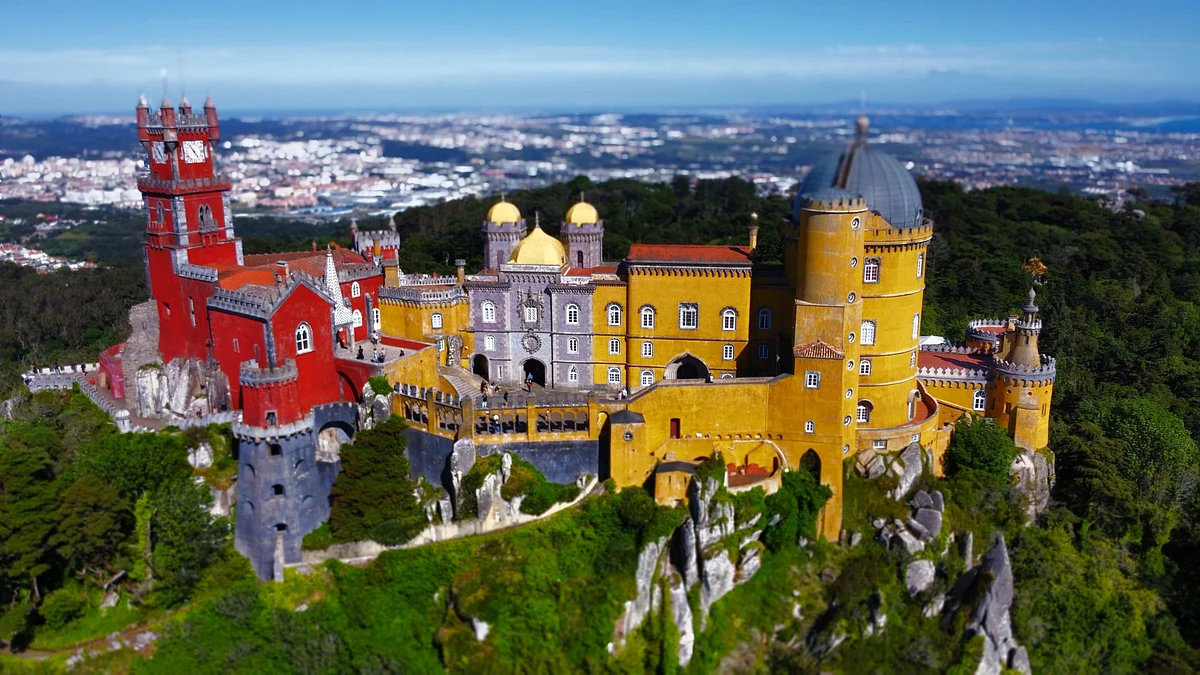
Portugal may be known for its beautiful beaches, colourful streets and excellent food, but its history is just as compelling. Across the mainland and its Atlantic archipelagos, the country is home to 17 UNESCO World Heritage Sites, spanning thousands of years of history, from prehistoric rock art and Roman ruins to grand monasteries, fairytale palaces and centuries-old wine landscapes. Together, these places offer a glimpse into the many layers of Portugal’s past, while taking you through some of its most beautiful towns and countryside. Here are seven World Heritage Sites worth adding to your Portugal itinerary.
Jerónimos Monastery And Tower Of Belém
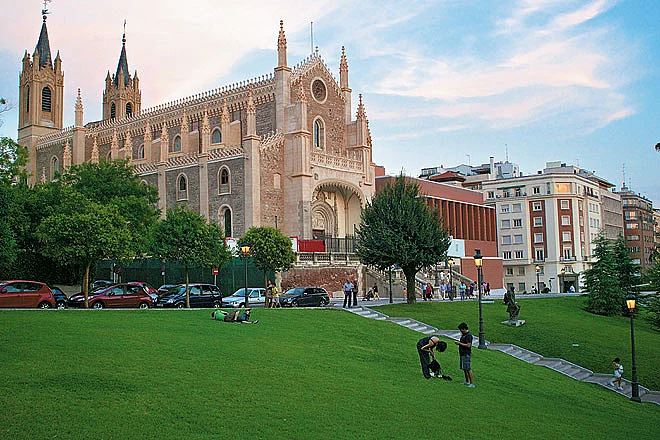

Located in Lisbon, Jerónimos Monastery and the Tower of Belém are among the country's best-known landmarks. Built during Portugal's Age of Discovery, the two monuments reflect the country's wealth and ambition during the 16th century. The ornate Manueline architecture is particularly striking, with detailed stone carvings inspired by the sea, maritime life and Portugal's voyages of exploration. The monastery is also the final resting place of explorer Vasco da Gama.
Take your time to look closely at the carvings, as there is plenty of detail to spot. The Tower of Belém, standing beside the Tagus River, is another reminder of Lisbon's connection with the sea. Both monuments can get busy, so it is a good idea to plan your visit in advance and check the latest opening hours and ticket information before going.
Cultural Landscape Of Sintra
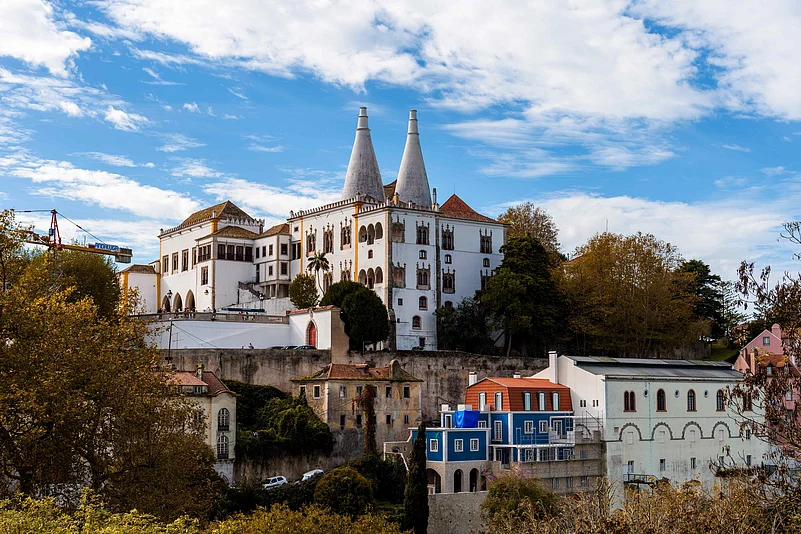
Just outside Lisbon, Sintra feels like it belongs in a fairytale. Set among green, forested hills, the cultural landscape of Sintra is known for its colourful palaces, gardens and romantic architecture. The most famous of these is Pena Palace, with its bright yellow and red walls, while Quinta da Regaleira is known for its gardens, tunnels and mysterious initiation wells.
Sintra is best explored slowly rather than trying to see everything in one day. The narrow, winding roads can become extremely busy, particularly during peak season, so public transport is usually a better option than driving. If Pena Palace is on your list, booking a visit in advance can also save you from a long wait.
Historic Centre Of Porto
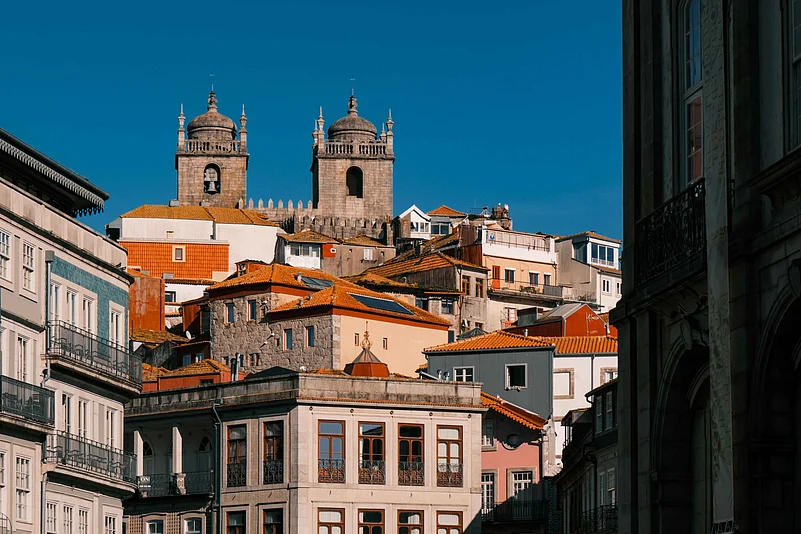
The Historic Centre of Porto is one of those places where simply walking around is part of the experience. Built on steep hills overlooking the Douro River, the old city is filled with narrow streets, colourful buildings, historic churches and lively squares. The famous Luís I Bridge connects Porto with Vila Nova de Gaia, while São Bento Station is worth a stop for its beautiful blue-and-white azulejo tiles.
You do not really need a plan to explore the historic centre. Walk downhill towards the river, stop for a coffee or a glass of port, and take in the views along the way. For one of the best views of Porto, cross the Luís I Bridge towards Gaia and look back at the city's hillside buildings.
Monastery Of Batalha
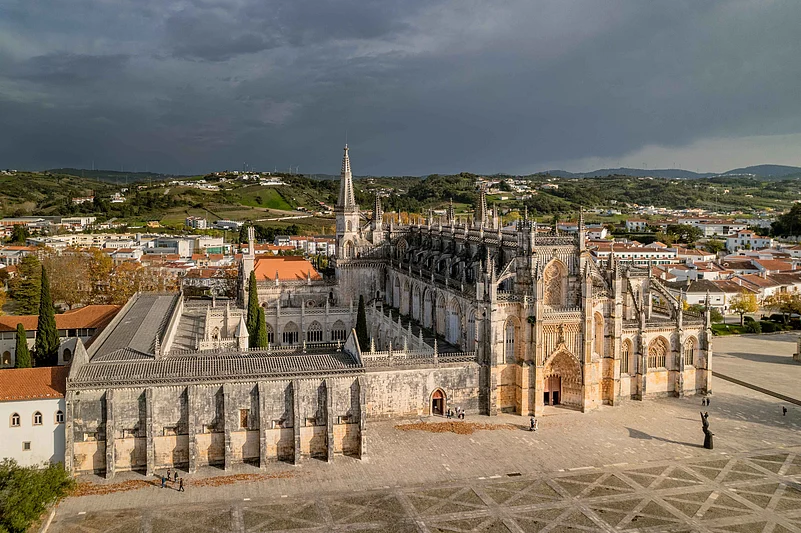
The Monastery of Batalha is a spectacular example of Gothic and Manueline architecture. Located in the town of Batalha, the monastery was built to commemorate Portugal's victory at the Battle of Aljubarrota in 1385. Its elaborate façade, soaring arches and detailed stonework make it one of the country's most impressive historic buildings.
One of the most memorable parts of the monastery is the Imperfect Chapels. As the name suggests, the structure was never completed, leaving its huge open roof beneath the sky. The contrast between the unfinished chapels and the surrounding intricate architecture makes the site particularly interesting.
Convent Of Christ In Tomar
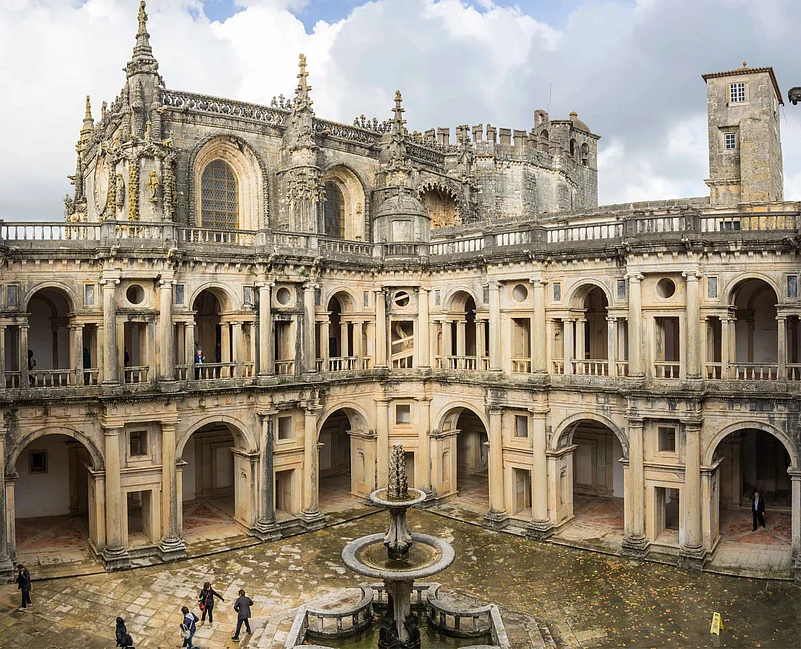
Perched above the town of Tomar, the Convent of Christ has a fascinating history spanning several centuries. It was originally associated with the Knights Templar, a powerful medieval military-religious order, and later became an important centre for the Order of Christ. Because of the many additions made over the years, the complex brings together several architectural styles.
The circular Charola, inspired by the Church of the Holy Sepulchre in Jerusalem, is one of its highlights. Do not miss the famous Manueline Window either, which is covered in intricate carvings inspired by Portugal's maritime history. The complex is quite large, so keep at least a couple of hours aside if you want to explore the cloisters, courtyards and corridors properly.
Alto Douro Wine Region
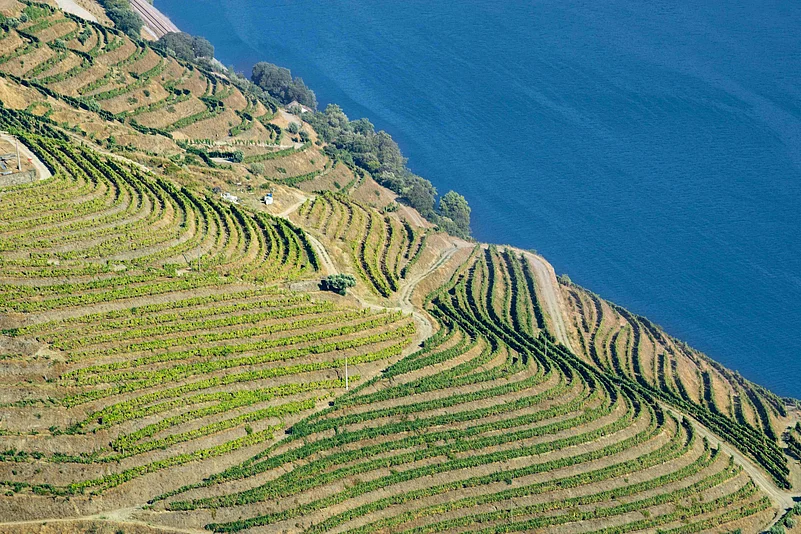
The Alto Douro Wine Region is very different from Portugal's grand monuments. Here, the landscape itself is the attraction. Steep hills covered with carefully arranged vineyards rise above the winding Douro River, creating one of the country's most beautiful rural landscapes. Grapes have been cultivated here for centuries, and the region is particularly famous for its production of port wine.
There are several ways to experience the Douro Valley. You can take a boat along the river, visit one of the traditional vineyard estates known as quintas, or simply enjoy the views from the road. For a more relaxed journey, take the scenic train from Porto towards Pinhão. It is a lovely way to see the vineyards and river without having to navigate the winding roads yourself.
Historic Centre Of Évora
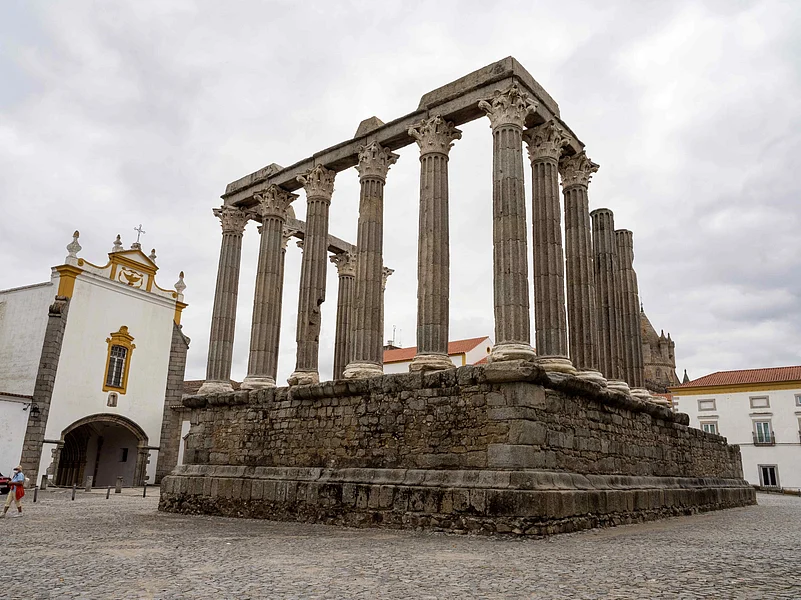
Évora, in Portugal's Alentejo region, is a beautiful walled city where different periods of history come together. Its historic centre is filled with whitewashed houses, cobbled streets, old churches and remnants of Roman and medieval Portugal. Among its best-known sights is the Roman Temple, with its impressive Corinthian columns, while the Chapel of Bones offers a much more unusual experience.
The best way to explore Évora is on foot, wandering through its old streets and stopping to take in the sights along the way. The city can become extremely hot in summer, particularly during the middle of the day, so an early-morning or late-afternoon visit is more comfortable.
FAQs
1. How many UNESCO World Heritage Sites are there in Portugal?
Portugal has multiple UNESCO World Heritage Sites spanning historic cities, monuments, cultural landscapes and natural areas.
2. What are the best UNESCO World Heritage Sites to visit in Portugal?
Jerónimos Monastery and the Tower of Belém, Sintra, Porto, Batalha, Tomar, the Alto Douro Wine Region and Évora are among the country’s notable sites.
3. Is Sintra a UNESCO World Heritage Site?
Yes. The Cultural Landscape of Sintra is recognised as a UNESCO World Heritage Site and is known for its palaces, gardens and romantic architecture.
4. Is Porto a UNESCO World Heritage Site?
Yes. Porto’s historic centre is a UNESCO World Heritage Site, known for its historic buildings, churches, streets and setting along the Douro River.
5. Which UNESCO World Heritage Site in Portugal is known for vineyards?
The Alto Douro Wine Region is recognised for its historic wine-growing landscape, with vineyards covering the steep hills along the Douro River.


