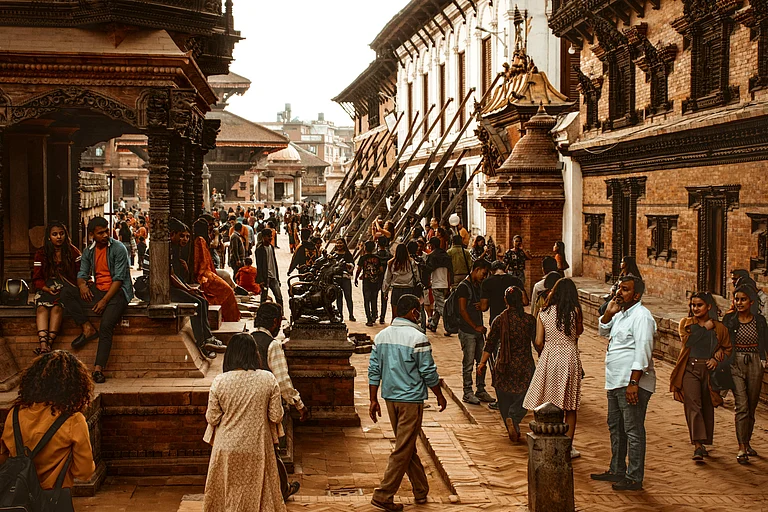


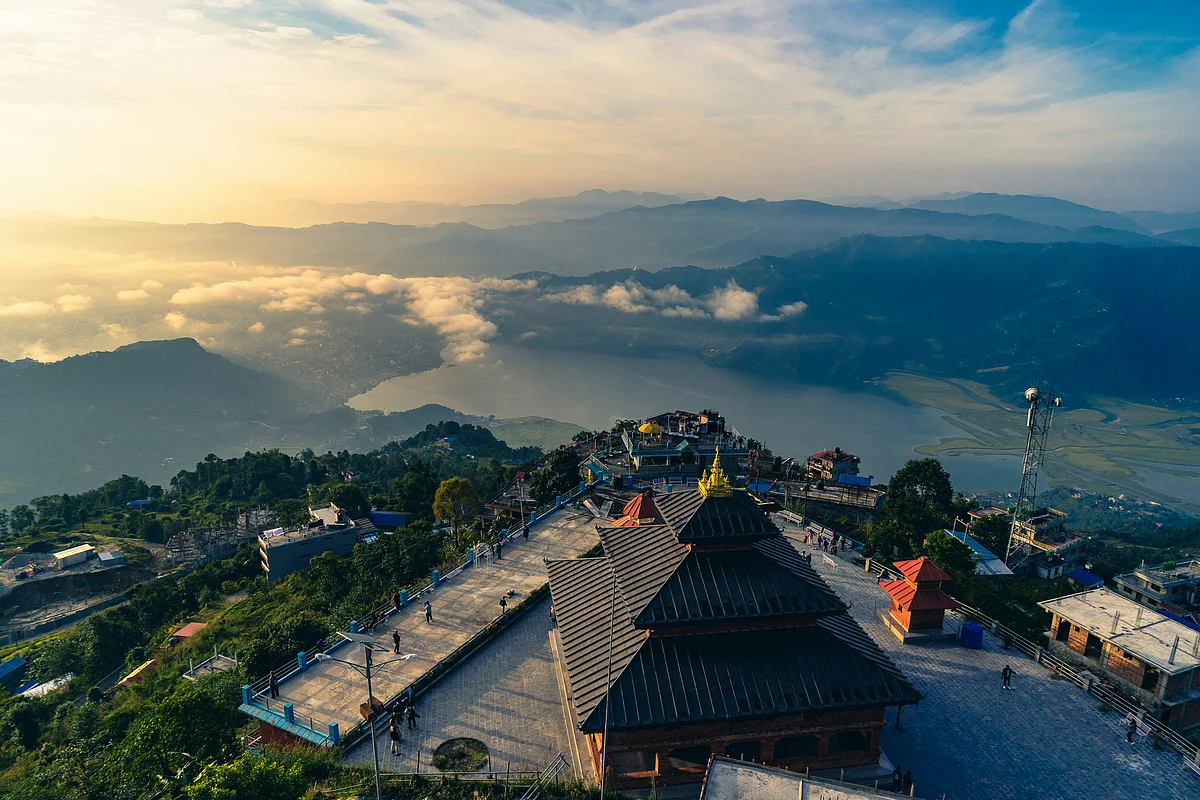
Nepal often begins with Kathmandu—the temples, traffic, and centuries of history packed into its narrow streets. But many travellers discover that the real pause in the journey comes a little further west. Pokhara, framed by the Annapurna range and centred around the serene Phewa Lake, feels like an entirely different pace of life.
This lakeside city has long been a gateway for trekkers heading into the Himalayas, but it’s far more than a stopover. Adventure sports soar above its hillsides, cafés spill out along the waterfront, and sunrise viewpoints reveal some of the most dramatic mountain scenery in Nepal. Spend a few days here and you quickly understand why many travellers end up staying longer than planned.
If you are planning a visit in 2026, this guide brings together everything you need—from getting there to how to spend three memorable days exploring Pokhara and its surroundings.
Getting To Pokhara
Reaching Pokhara is an experience in itself. Most travellers arrive from Kathmandu, and there are three main options depending on time and budget. The fastest is a short domestic flight that takes roughly 25 minutes and offers spectacular aerial views of the Himalayas. The more economical option is the tourist bus, which takes around seven hours and winds through river valleys, hillside towns, and mountain roads. Hiring a private vehicle sits somewhere in between, offering flexibility and a smoother journey.
Pokhara itself is easy to navigate once you arrive. The Lakeside district forms the heart of tourism in the city, with hotels, cafés, gear shops, and tour agencies all within walking distance. English is widely spoken, and most activities—from trekking to paragliding—can be arranged within a day.
What to know before you go:
Distance from Kathmandu: ~200 km
Flight time: 25–30 minutes
Bus journey: 6–8 hours
Best area to stay: Lakeside Pokhara
Best travel months: October to May
Day 1: Lakeside Walks & Boating On Phewa Lake
Your first day in Pokhara is best spent settling into the relaxed pace of the city. Begin with a slow walk along the Lakeside promenade, where cafés open early and the lake reflects the surrounding hills. This stretch of road is where most travellers gravitate—lined with bakeries, trekking shops, handicraft stores, and small restaurants serving everything from Nepali staples to global comfort food.
By midday, make your way to the docks for a boat ride on Phewa Lake. Colourful wooden boats glide across the water, offering uninterrupted views of the Annapurna range when the skies are clear. In the middle of the lake stands the small Tal Barahi Temple, one of Pokhara’s most recognisable landmarks and a quick stop during the ride.
What to see:
Phewa Lake boating experience
Tal Barahi Temple island shrine
Lakeside cafés and local markets
Mountain reflections across the lake
Evening Views From The World Peace Pagoda
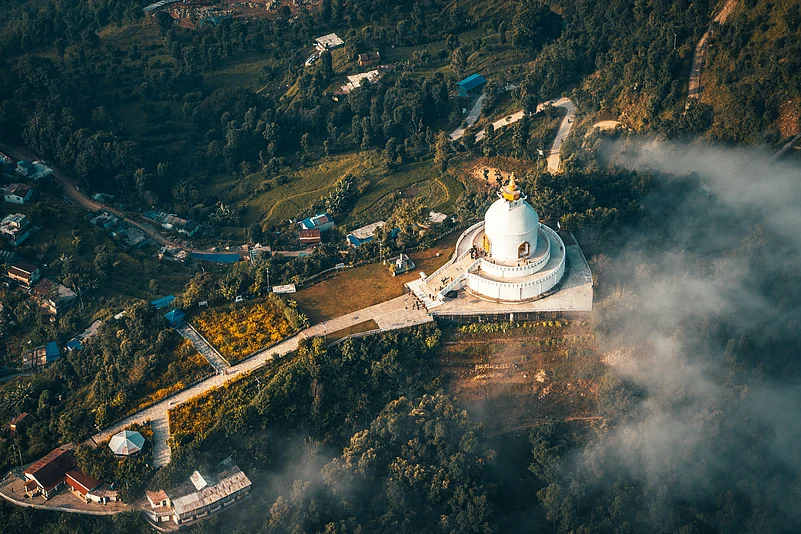

Adventure is a major part of Pokhara’s identity, and paragliding is easily one of its most memorable experiences. Flights usually begin at Sarangkot, a hilltop known for both sunrise views and launch sites for tandem paragliding. Early morning conditions tend to be the most stable, which is why most operators schedule departures shortly after sunrise.
After a brief safety briefing, you take off with an experienced pilot and glide above terraced hillsides, forested slopes, and the lake below. The flight usually lasts around 20–30 minutes depending on wind conditions. It is a smooth ride rather than a thrill ride, and the views alone make it unforgettable.
What to see:
Tandem paragliding flights from Sarangkot
Aerial views of Pokhara valley
Annapurna and Machapuchare peaks
Landing zones near Lakeside
Exploring Pokhara’s Caves, Waterfalls & Museums
Once back on the ground, the afternoon can be spent discovering some of Pokhara’s natural attractions. One of the most visited is Devi’s Fall, where water from the nearby lake plunges underground through a dramatic limestone gorge. Just across the road lies Gupteshwor Cave, a long cavern that eventually opens up to a hidden view of the same waterfall from below.
A short drive away, the International Mountain Museum offers deeper insight into Himalayan culture, mountaineering history, and the communities who live in these high-altitude regions. For travellers curious about the mountains beyond the viewpoints, this stop adds valuable context.
What to see:
Devi’s Fall waterfall
Gupteshwor Cave
International Mountain Museum
Mahendra Cave or Bat Cave
Day 3: Sunrise At Sarangkot & a Taste of Adventure
If there is one early morning worth setting an alarm for in Pokhara, it’s Sarangkot at sunrise. The hilltop viewpoint looks directly towards the Annapurna range, and on clear mornings the peaks gradually turn gold as the sun rises behind them. The drive from Lakeside takes about 30 minutes, though some travellers prefer hiking up in the early hours.
After sunrise, adrenaline seekers often continue the adventure with the Pokhara ZipFlyer—one of the longest and steepest zip lines in the world. The ride drops from the hills above the city toward the valley floor at high speed, offering sweeping mountain views during the descent.
What to see:
Sunrise over Annapurna and Machapuchare
Sarangkot viewpoint
Pokhara ZipFlyer adventure ride
Hillside villages around the valley
Extending Your Trip: Short Treks Around Pokhara
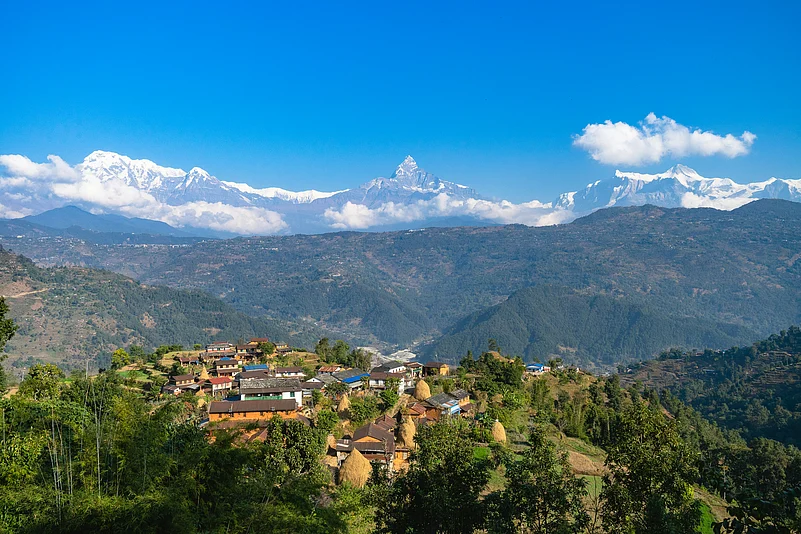
Many travellers visiting Pokhara eventually feel the pull of the surrounding mountains. Even if you do not have time for a full Annapurna Circuit trek, there are several shorter hikes that begin close to the city.
Routes like the Australian Base Camp trek or the Ghandruk–Tadapani trail offer a glimpse into Himalayan landscapes within a few days. Another lesser-known viewpoint is Muldai, which many trekkers say offers clearer and wider views of the Annapurna range compared to the more crowded Poon Hill. These treks pass through forested trails, hillside villages, and traditional lodges.
What to see:
Ghandruk village trek
Tadapani forest trails
Muldai viewpoint for Annapurna views
Australian Base Camp hiking route
A Place That Stays With You
Pokhara works its way into your memory quietly. One moment you’re sipping tea beside the lake, the next you’re floating high above the valley or watching the mountains change colour at sunrise.
Three days is enough to experience its highlights, but many travellers quickly realise that the city rewards slower exploration. Add a few extra days for trekking, longer hikes, or simply doing less. Either way, Pokhara rarely feels like a place you’ve fully finished exploring—it’s more like somewhere you know you’ll return to.
FAQs
1. What is the best time to visit Pokhara?
October to May offers clear skies, pleasant weather, and the best mountain views.
2. How many days are enough for Pokhara?
Three days cover key highlights, but 4–5 days allow time for short treks and a slower pace.
3. How do I travel from Kathmandu to Pokhara?
You can take a 25-minute flight, a 6–8 hour tourist bus, or hire a private car.
4. Is Pokhara good for adventure activities?
Yes, it’s known for paragliding, zip-lining, trekking, and boating experiences.
5. Are there easy treks near Pokhara?
Yes, popular options include Ghandruk, Australian Base Camp, and Muldai viewpoint treks.