We travel differently today than we did a few years ago. With AI-generated itineraries, saved Instagram reels, and neatly organised Google Maps lists at our fingertips, it's possible to plan almost every minute of a holiday before even boarding the flight. We know where to eat, which viewpoints to visit and exactly where to stand for the perfect photograph.
Yet, somewhere between all that planning, we sometimes leave little room for discovery. I was reminded of that during Klook Kreatorverse IN x ME 2026, where I joined the programme midway as more than 60 creators from India and the Middle East explored Malaysia together. Much of the conversation centred on how artificial intelligence, creators and social media are changing the way people discover destinations. In fact, Klook's Travel Pulse 2026 report suggests that four in five travellers have booked an experience after seeing it on social media, while growing numbers are choosing destinations that offer local culture, food and meaningful experiences over packed sightseeing schedules.
During my three-day trip in Malaysia, that idea unfolded naturally.
The KL Experience
Like most visitors, my journey began in Kuala Lumpur. The capital has long been the country's gateway, and for good reason. From the Petronas Twin Towers to its bustling markets and late-night food streets, it's energetic, diverse and constantly on the move. It was easy to understand why it remains one of the country's most popular destinations for travellers from India and the Middle East.
I checked into Sunway Pyramid Hotel, part of Sunway City, a sprawling integrated township that's hard to imagine was once a vast tin mine. Over the years, it has transformed into a self-contained neighbourhood with hotels, a university, offices, healthcare facilities, shopping centres and Sunway Lagoon, showcasing Malaysia's remarkable ability to reinvent its industrial past.
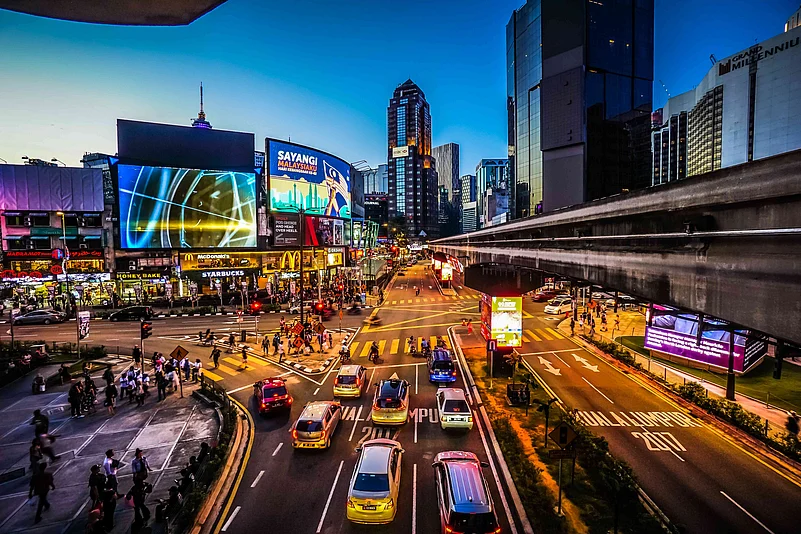

That evening, we headed to Bukit Bintang, Kuala Lumpur's vibrant shopping, dining and entertainment district. Often called the Times Square of Malaysia, it is here that luxury malls stand alongside bustling food streets, while the aroma of sizzling satay and grilled seafood drifts in from nearby Jalan Alor. Cafés, bars and restaurants spill onto the pavements, and the neighbourhood buzzes with both locals and visitors well into the night. It was lively, energetic and exactly the kind of Kuala Lumpur I had expected.
But that was only one part of the story.
Slowing Down In The Heritage City
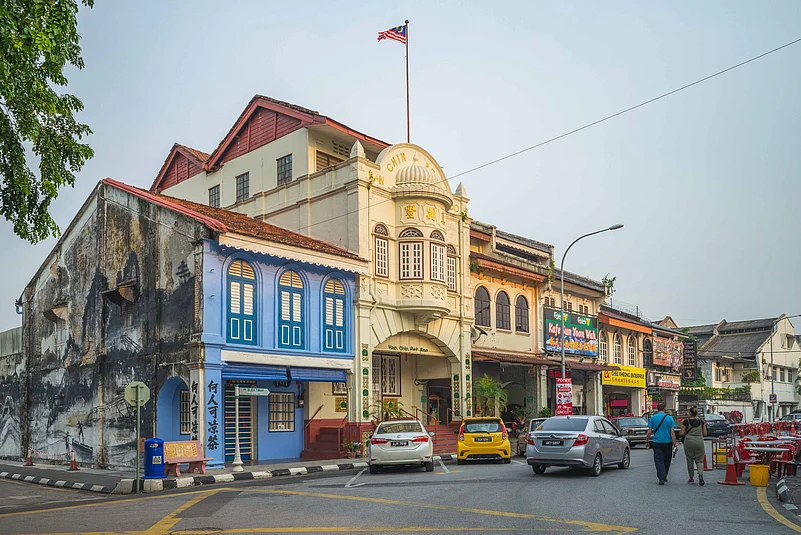
The drive from Kuala Lumpur to Ipoh takes a little over three hours, as the skyline gradually gives way to limestone hills and the pace begins to slow.
Ipoh owes much of its identity to the tin boom that transformed the Kinta Valley in the late nineteenth century. Wealth from the mines turned the city into one of the richest in Malaya, attracting Chinese migrants, traders and entrepreneurs whose influence still shapes the old town today. Walk through its streets, and you'll find colonial-era buildings standing alongside traditional Chinese shophouses, many of which have found a new life as cafés, galleries and small local businesses.
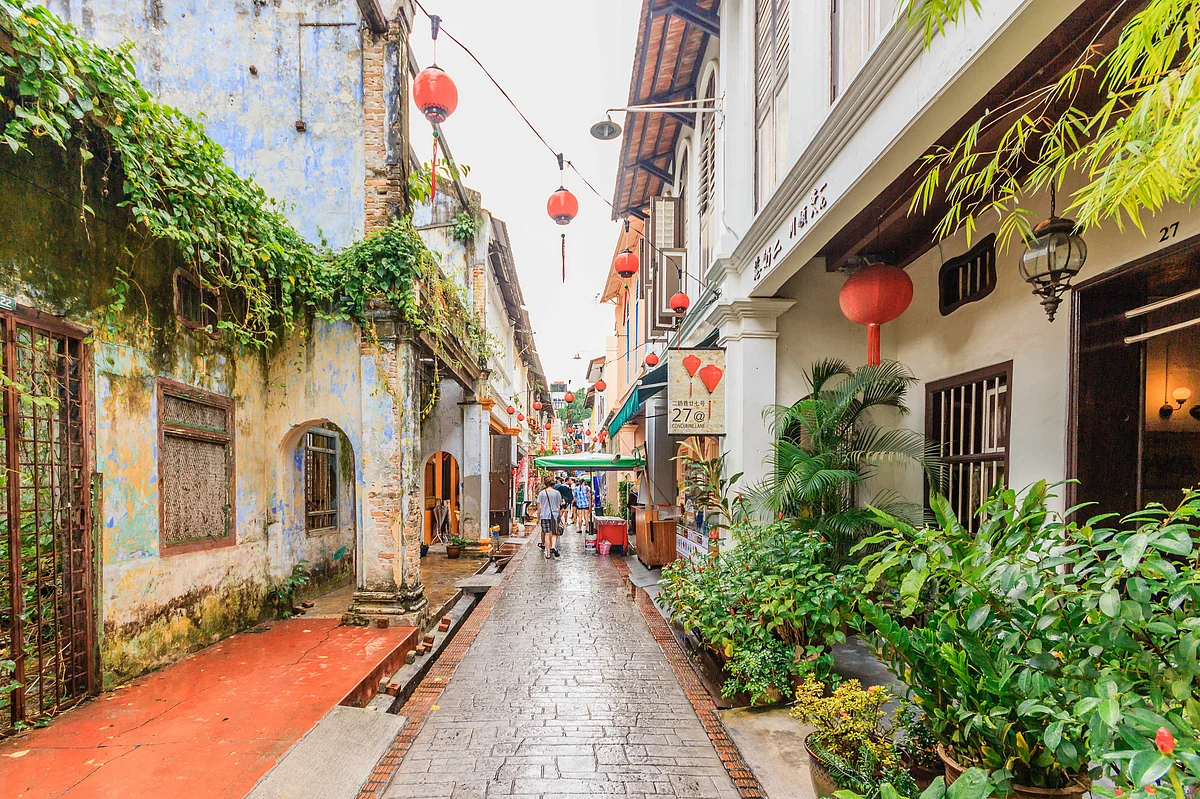
That was exactly what I did as soon as I had some free time. With no particular plan in mind, I wandered into Ipoh Old Town, letting the streets lead the way. I eventually found myself at Concubine Lane, one of the city's most famous streets. Heritage buildings stood alongside modern cafés, colourful murals peeked out from quiet lanes, and almost every corner seemed to tell a story.
Officially known as Lorong Panglima, the lane dates back to the rebuilding of the old town after a devastating fire in 1892. According to local folklore, Chinese tin magnate Yau Tet Shin gifted three parallel streets to each of his wives, with this lane belonging to his second wife, giving rise to the name that survives today. During the tin boom, the neighbourhood became known for housing the mistresses of wealthy mine owners, alongside gambling dens, brothels and opium houses that flourished during Ipoh's prosperous years.
The atmosphere today couldn't be more different. The restored shophouses now house cafés, boutiques, souvenir stores, and food stalls serving everything from local desserts to freshly brewed white coffee. Red lanterns sway overhead as visitors weave through the narrow lane, stopping for photos, snacks, or simply to soak up the atmosphere.
Another highlight was The Banjaran Hotsprings Retreat, tucked beneath limestone cliffs that have stood for hundreds of millions of years. One of my favourite experiences was stepping into the Meditation Cave. Carved into the limestone, the cavern was cool, dimly lit and almost completely silent, save for the gentle hum of giant fans circulating fresh air through the space. Sitting there for a few minutes, away from notifications, conversations and packed itineraries, I realised how rarely we allow ourselves to simply be still while travelling.
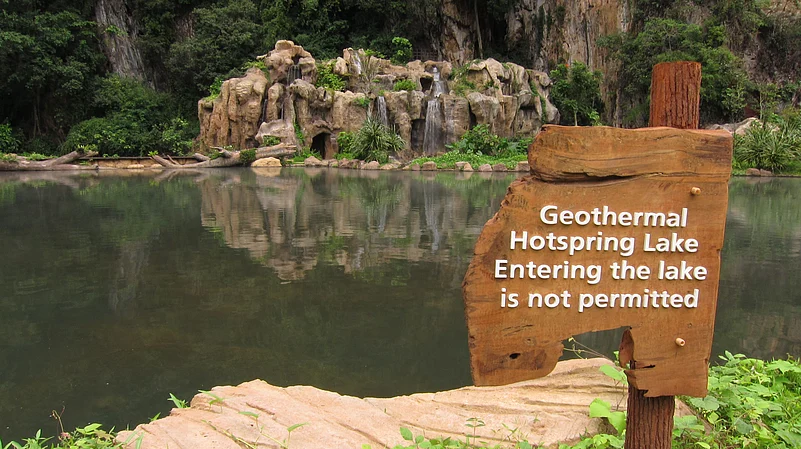
The retreat is built around the area's natural geothermal landscape. Mineral-rich hot springs feed a series of dipping pools, where guests can soak amid limestone cliffs and lush greenery. These waters have long been valued for their therapeutic properties, and slipping into one after a day of exploring Ipoh felt like the perfect way to unwind.
For something a little more unusual, I also tried the Garra Rufa Pool, where tiny doctor fish gently nibble away dead skin cells as your feet rest in the water. It was equal parts ticklish and oddly relaxing, and after the initial surprise, I found myself laughing along with everyone else, trying not to squirm.
Banjaran also houses a network of natural caves that have been thoughtfully adapted into wellness spaces, from thermal steam caves to crystal caves for breathing sessions. Together, they reinforce a philosophy that feels increasingly relevant today: travel doesn't always have to be about seeing more. Sometimes, it's about slowing down enough to truly experience where you are.
The Stories That Shape Our Journeys
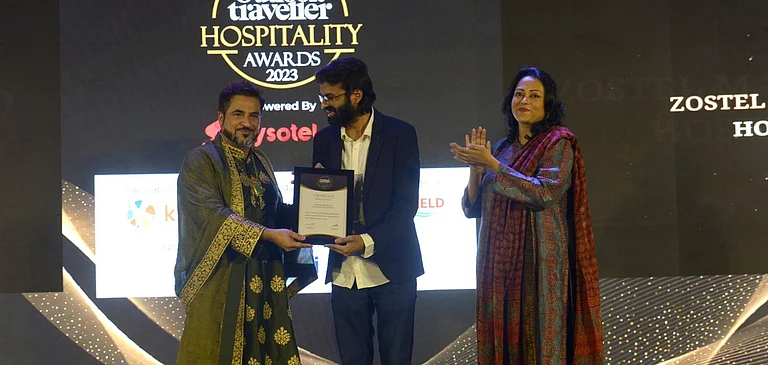
By the time we returned to the hotel for the Klook Kreatorverse Gala Night, the conversations around AI, creator-led storytelling and the future of travel felt less theoretical than they had just a few days earlier.
Throughout the programme, creators, marketers and industry leaders discussed how the way we discover destinations is rapidly changing. AI can build itineraries in seconds, recommend attractions based on our interests and make travel planning more seamless. But as technology becomes smarter, one question that remains is what truly inspires someone to pack their bags and go.

As Mildred Ang, Director of Social Commerce at Klook, said during the event, "AI can help travellers discover destinations, plan itineraries and make travel more seamless. But what it can't replace is the trust that comes from an authentic story. People don't just travel because they've seen a place; they travel because someone they trust has experienced it, connected with it and shared that journey in a way that feels real."
Looking back, it was easy to see that philosophy in action. The journey wasn't simply about visiting Malaysia's biggest attractions. It paired familiar landmarks with destinations like Ipoh, where heritage streets, local cafés and slower moments became just as memorable as the tourist spots. Rather than just showing us where to go, it encouraged us to experience the country through its stories, people and culture.
FAQs
1. What are the best places to visit in Malaysia beyond Kuala Lumpur?
Travellers looking beyond Kuala Lumpur should consider Ipoh, known for its colonial architecture, Concubine Lane, limestone caves, local cafés and the Banjaran Hotsprings Retreat.
2. What is Klook Kreatorverse?
Klook Kreatorverse is a travel and creator-focused event that brings together creators, tourism partners and industry leaders to explore how AI, social media and storytelling are shaping the future of travel.
3. Why is Ipoh becoming a popular destination in Malaysia?
Ipoh combines colonial heritage, vibrant street art, famous white coffee, historic shophouses, limestone landscapes and a thriving café culture, making it one of Malaysia's most rewarding cultural destinations.
4. What makes The Banjaran Hotsprings Retreat unique?
Nestled beneath ancient limestone cliffs, The Banjaran Hotsprings Retreat offers geothermal hot springs, natural caves, wellness therapies, meditation spaces and luxury accommodation surrounded by nature.
5. Why are travellers seeking more meaningful experiences?
Today's travellers increasingly value authentic cultural encounters, local food, wellness experiences and slower itineraries over rushed sightseeing, creating deeper and more memorable connections with destinations.