

World Cup host cities are exciting, but they can also get a bit overwhelming once you’re there. Match days especially—crowds spilling everywhere, prices climbing, everything centred around the stadiums. If you’re staying for more than a game or two, it makes sense to step out for a while. A short trip to some interesting places nearby changes the pace completely and shows you a quieter side of the region most fans miss. It also provides an opportunity to experience regional cultures, local cuisines, and natural landscapes beyond the tourist-heavy stadium zones.
Teotihuacán (From Mexico City)


The Vibe: Massive pre-Hispanic city featuring monumental architecture.
Just around 40 km northeast of Mexico City lies Teotihuacán, one of the most significant archaeological sites in Latin America. Known as the “City of the Gods,” it predates the Aztecs and still feels vast in scale and atmosphere. For FIFA World Cup visitors based in the capital, it offers an easy half-day escape from stadium crowds into a landscape shaped by ancient civilisation and open desert.
Things to See & Do
Sun Pyramid: The site’s most imposing structure, it rises sharply from the valley floor and gives a clear sense of just how vast Teotihuacán once was.
Moon Pyramid: Set at the northern end of the complex, this pyramid feels more ceremonial and offers wide views back along the main axis of the ruins.
Avenue Dead: The long central route through the site, lined with platforms and ruins, showing how the ancient city was organised on a monumental scale.
Ancient Murals: Small but striking fragments of colour and carving that still survive, offering glimpses into the beliefs and everyday life of the people who lived here.
Travel Tips
Bus Route: Buses leave regularly from Terminal del Norte in Mexico City, with a journey time of roughly 60–90 minutes.
Match Day Tip: Head out by 5:30 AM to beat both intense midday heat and tourist crowds.
Guided Tours: A convenient option if you want transport sorted, plus added background on the site’s history.
Sun Protection: The site is very exposed, so bring water, sunscreen, and something to cover your head.
Time Needed: Plan for around 3–5 hours on site so you can explore at a comfortable pace before heading back.
Puebla & Cholula (From Mexico City)

The Vibe: Vibrant culinary capital framed by snow-capped active volcanoes.
Just about two hours east of Mexico City lies Puebla and nearby Cholula—a pairing that works perfectly for a World Cup day trip or even an overnight stay. Together, they blend pre-Hispanic heritage, striking colonial architecture, and some of Mexico’s most celebrated food traditions. It’s an easy way to step out of the capital’s match-day intensity and into a slower, more historic rhythm.
Things to See & Do
Cholula Pyramid: The world’s largest pyramid by volume, now mostly hidden beneath a grassy hill, topped by the bright Santuario de la Virgen de los Remedios with sweeping views of Popocatépetl on a clear day.
Tonantzintla Churches: The churches of Tonantzintla and Acatepec stand out for their vivid, almost overflowing interiors where indigenous motifs blend with elaborate Baroque decoration.
Puebla Centre: The historic centre of Puebla is a UNESCO-listed grid of churches, plazas, and tiled façades, with highlights including the ornate Capilla del Rosario inside Santo Domingo.
Markets & Streets: Mercado El Parián is the place for Talavera pottery, while Calle de los Dulces is lined with traditional sweet shops selling regional confections.
Travel Tips
Bus Route: Frequent ADO and Estrella Roja buses run from TAPO in Mexico City or the airport to CAPU or Paseo Destino in Puebla, taking around 2–2.5 hours.
Getting Around: From Puebla, Cholula is about 30–40 minutes away by taxi or Uber, with local connections also available.
Day Plan: A full day is enough for Puebla city highlights, but staying overnight makes Cholula easier to explore at a slower pace.
Match Day Tip: Early departure from Mexico City helps you avoid traffic and gives more time on the ground.
Walking Focus: Both Puebla’s centre and Cholula are best explored on foot, so wear comfortable shoes for cobbled streets.
Niagara Region (From Toronto)
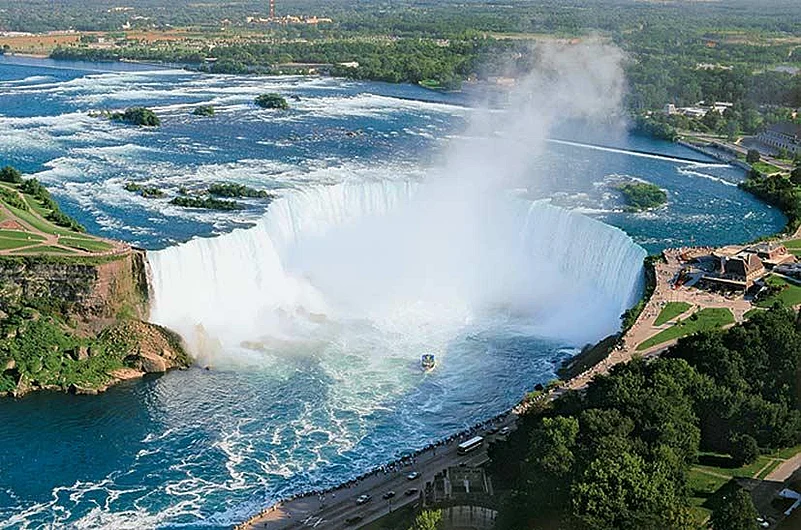
The Vibe: Thunderous, world-famous waterfalls paired with pristine, historic vineyard towns.
Just about 1.5 hours from Toronto, the Niagara Region makes for one of the easiest and most rewarding escapes from the FIFA World Cup buzz. It’s where you swap stadium noise for thundering water, vineyard-lined roads, and a slower weekend pace. You can base yourself near the Falls or do it as a quick day trip if time is tight.
Things to See & Do
Niagara Falls: The main event here is the raw power of the falls themselves, best experienced up close on the mist-heavy boat ride with some Niagara cruises or from the tunnels of Journey Behind the Falls.
Fan Zone Falls: During the tournament, Queen Victoria Park turns into a lively FIFA Fan Zone with big screens, food stalls, and crowds gathering right by the water.
Niagara-on-the-Lake: A short drive away, Niagara-on-the-Lake feels completely different—quiet streets, heritage buildings, and some of Canada’s best-known wineries.
Travel Tips
GO Transit Route: The GO Transit train runs from Toronto’s Union Station to Niagara Falls, often paired with local transit passes for easy onward travel.
Driving Option: It’s around 1.5 hours via the Queen Elizabeth Way (QEW), with flexible stops along the lake if you’re driving yourself.
Match Day Tip: One full day works, but an overnight stay makes the region feel far less rushed. Many travellers do Falls in the morning, then head to Niagara-on-the-Lake for wineries in the afternoon.
Weather Note: Spray from the Falls can soak you quickly—waterproof layers help even in summer.
Prince Edward County (From Toronto)
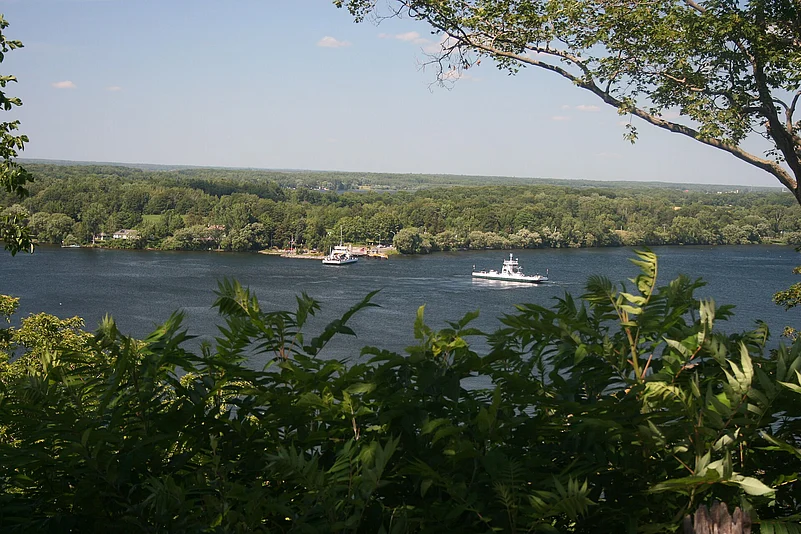
Just over two hours from Toronto, Prince Edward County starts to feel like a different pace altogether. You leave the city behind, and it opens up into vineyards, quiet main streets, and long stretches of shoreline along Lake Ontario. It’s the kind of place people usually use as a break between busy days in Toronto—either a slow day trip or one overnight if you want it to breathe a bit more.
Things to See & Do
Sandbanks Beach: Sandbanks Provincial Park is the main draw here, with wide sandy beaches and unusual dunes that feel almost out of place this far inland. The water is surprisingly shallow and good for swimming in summer.
North Beach: A smaller, quieter stretch of sand not far away, where things feel more local and less busy, especially on weekdays.
Wineries & Tastings: Most of the county is built around small, independent wineries and cider houses, where tastings are relaxed and often set right beside the vineyards.
Wellington & Bloomfield: Two of the better-known villages, with a mix of cafés, small shops, and restaurants that focus heavily on local produce.
Travel Tips
Drive Time: It usually takes around 2 to 2.5 hours from Toronto via the ON-401 E, depending on traffic and where you start.
Match Day Tip: Staying one night makes the experience more relaxed and allows time for sunset at the wineries or beach.
Car Needed: A rental car is the easiest way to explore, as wineries, beaches, and towns are spread out across the county.
Park Passes: Day passes for Sandbanks often need to be booked in advance through Ontario Parks, especially in peak summer periods.
Route Planning: It helps to focus on one area of the county rather than trying to cover everything in a single day.
Hudson Valley (From New York & New Jersey)
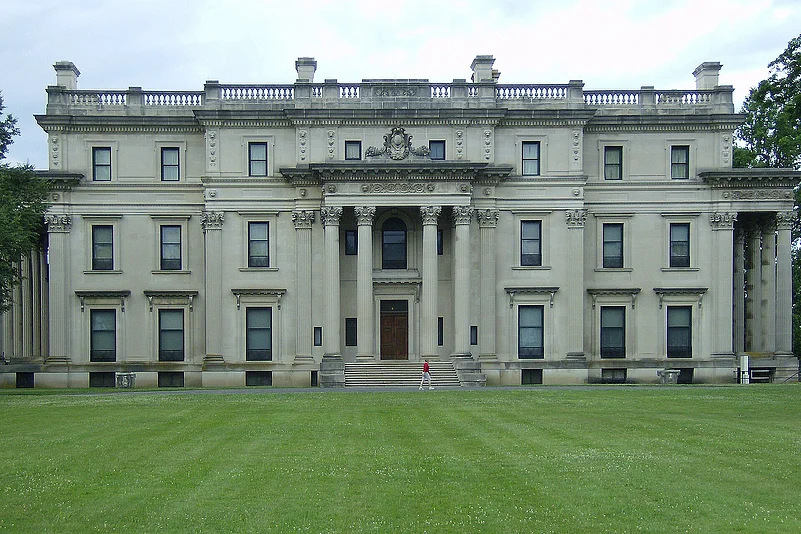
Just north of New York City, the Hudson Valley makes for an easy and rewarding escape from the intensity of World Cup match days. It’s where the skyline gives way to river bends, small towns, rolling hills, and a strong arts-and-food culture. From either New York or New Jersey, it works well as a day trip or a slow weekend reset between games.
Things to See & Do
Storm King Art Center: A vast outdoor sculpture park set across open fields and hills, where large-scale contemporary artworks sit directly in the landscape rather than inside galleries.
Dia Beacon: Housed in a former industrial building on the riverfront, this museum focuses on minimal and contemporary art in large, light-filled spaces.
Historic Estates: Gilded Age landmarks like the Vanderbilt Mansion in Hyde Park and Kykuit in Tarrytown offer a glimpse into America’s industrial-era wealth and architecture.
CIA Hyde Park: The Culinary Institute of America serves refined, student-prepared tasting menus that make it one of the region’s most interesting food stops.
Walkway Over Hudson: A converted railway bridge in Poughkeepsie that now offers wide, uninterrupted views over the Hudson River valley.
Catskills & Bear Mountain: Forested trails, lookouts, and hiking routes that range from easy walks to full-day mountain hikes.
Shawangunk Ridge (The Gunks): A dramatic cliff-lined ridge known for hiking and rock climbing, with sweeping valley views.
Travel Tips
Getting In: Most international travellers fly into one of the New York-area airports—JFK, LaGuardia, or Newark—then head north into the valley.
Train Option: The Metro-North line from Grand Central Terminal runs up the river and stops in towns like Beacon and Tarrytown.
Match Day Tip: A car is useful if you want to combine museums, small towns, and hiking areas in one trip.
Best Approach: The region is spread out, so it’s better to focus on one section (river towns or mountain areas) rather than trying to cover everything in a single day.
Fire Island (From New York & New Jersey)

Just off the southern coast of Long Island, Fire Island feels like a complete break from the pace of New York City and the wider New Jersey metro area. It’s a narrow, 32-mile barrier island where cars are largely absent, and life moves on foot, by bike, or by ferry. For FIFA World Cup travellers, it works well as a reset between match days—simple, quiet, and coastal.
Things to See & Do
Ocean Beach: This is the busiest spot on Fire Island, but it still feels relaxed. A small village sits right by the water, with cafés, casual restaurants, and the beach only a short walk away.
Robert Moses State Park: On the western end of the island, this is all wide sand and open ocean. It’s good for long beach walks, surfing when conditions are right, and views around the lighthouse area.
Sailors Haven: A quieter, more secluded area where the beach meets the rare Sunken Forest, a protected maritime woodland just behind the dunes.
Sunken Forest: A unique ecological site where centuries-old trees grow in a sheltered hollow just inland from the beach.
Travel Tips
Train Route: From Penn Station, take the Long Island Rail Road to Bay Shore, Sayville, or Patchogue, then grab a quick taxi or shuttle to the ferry.
Ferry Ride: Ferries run throughout the day and take roughly 20–30 minutes to reach different parts of Fire Island.
Driving In: If you’re coming by car, you’ll need to park near the ferry terminals or at Robert Moses State Park and continue on foot or by boat.
Travel Light: Once you’re on the island, everything is on foot or bike, often over sand and wooden boardwalks.
Bring Supplies: Shops can be limited outside the main villages, so it’s worth carrying water and a few basics if you’re heading somewhere quieter.
FAQs
How many days do I need for day trips from FIFA World Cup host cities?
Even one free day is enough for a short trip, but overnight stays make places like wine regions and nature escapes much more relaxed.
Do I need a car for most of these day trips?
Not always. Places like Niagara and Hudson Valley have strong train or bus links, but destinations like Prince Edward County or Fire Island are easier with a car or local transfers.
Are these trips realistic on match days?
Yes, most are designed as half-day or full-day escapes, so you can travel out in the morning and return in time for evening matches.
What kind of experiences do these trips offer?
They range from ancient sites like Teotihuacán to beaches, vineyards, sculpture parks, and small historic towns—very different from stadium environments.
Is it worth leaving the host city during the World Cup?
If you have extra time between games, yes. It helps avoid crowds and gives you a much wider sense of the region beyond the tournament zones.