

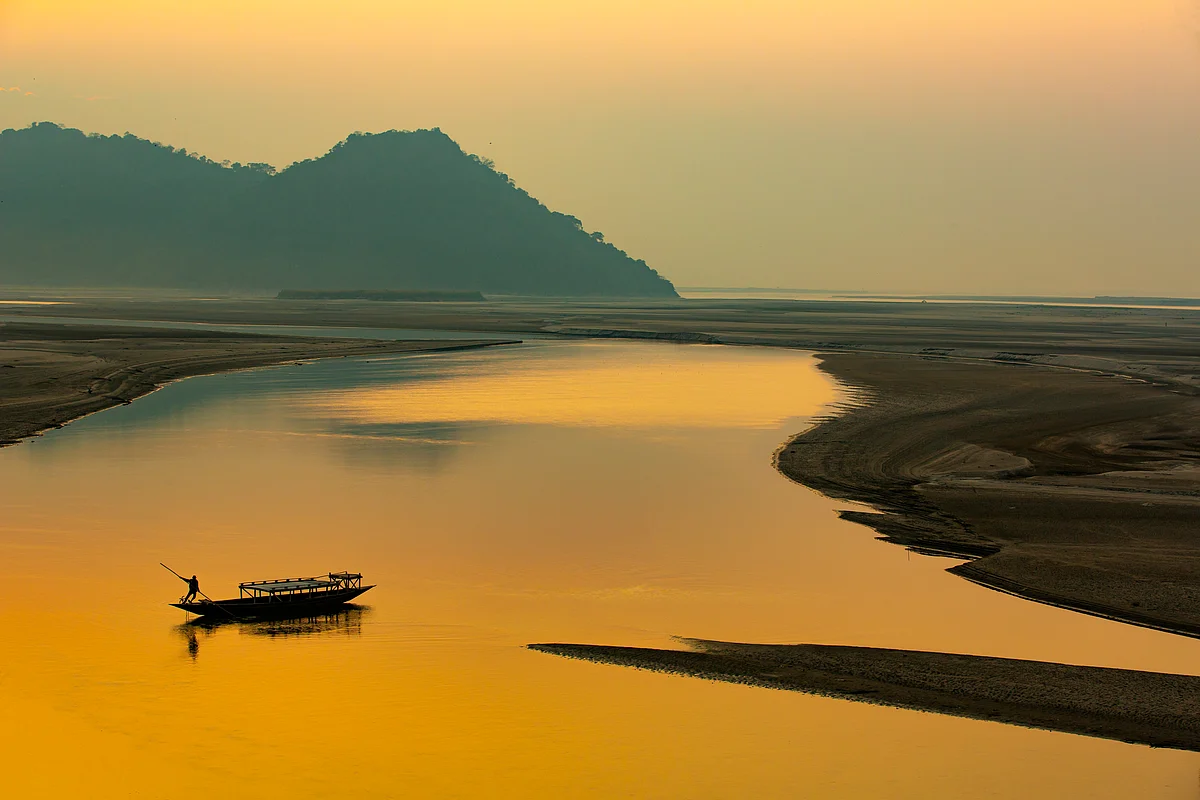
Mayong is a village on the banks of the Brahmaputra in Assam’s Morigaon district, about forty kilometres from Guwahati. It is famously known as the “Land of Black Magic,” though much of this is now associated with folklore and history rather than current practice. The village was home to ojhas, local healers who performed rituals believed to heal, protect, or influence destiny. Today, Mayong draws visitors interested in its unique cultural heritage. Ancient temples, relics, and stories passed down through generations offer a glimpse into a past that continues to shape the identity of the village and its people, quietly bridging history and legend.
Why Mayong Is Known As India’s Black Magic Village
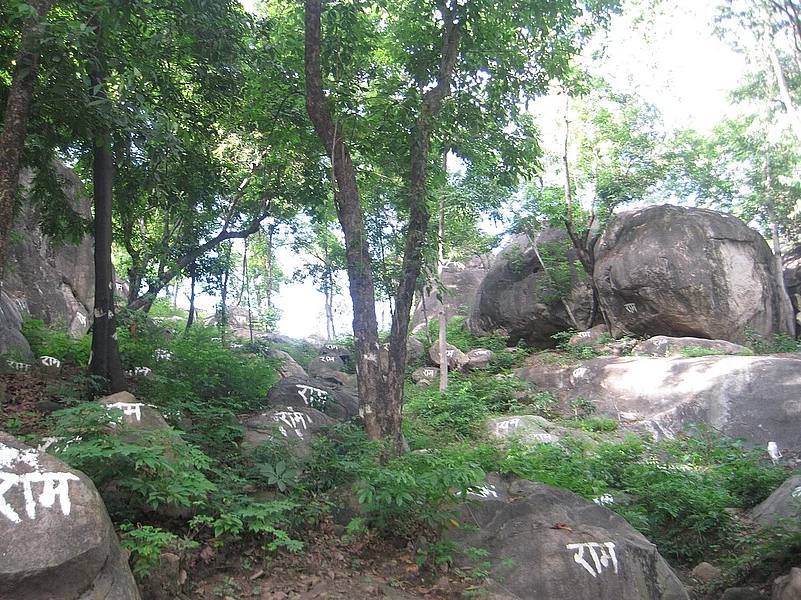

Mayong has long been associated with the supernatural and ancient magic. Traditionally, the village was a centre for tantric practices, including rituals for healing, protection, exorcism, and magic known as ku. Folklore links Mayong to mythological figures such as Ghatotkach, and stories abound of invisibility, transformation, and other extraordinary feats. Beyond its mystical reputation, the region holds archaeological sites and artefacts that hint at a rich, ancient history. While intense magical practices have largely faded, the legends endure, drawing visitors interested in culture, history, and the nearby Pobitora Wildlife Sanctuary. Mayong remains a place where past and myth quietly coexist.
Inside Mayong Village Museum: Manuscripts, Rituals And History
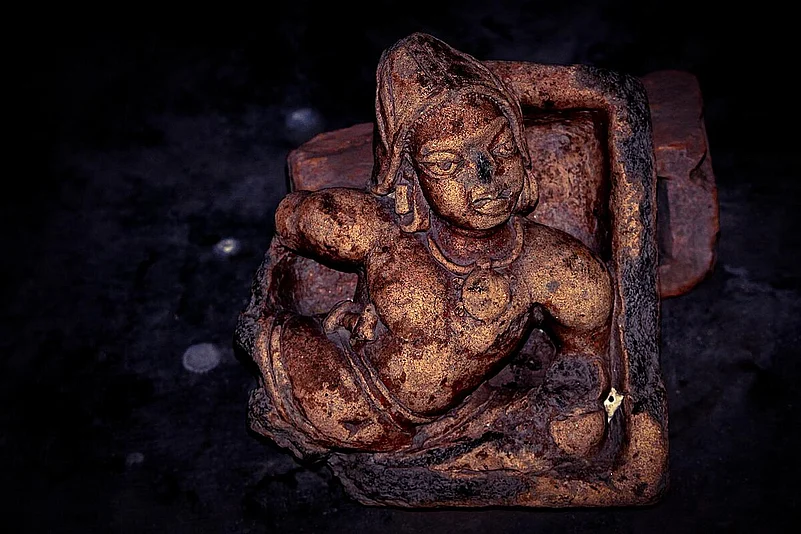
At the heart of Mayong lies the Mayong Village Museum and Research Centre, a quiet repository of the village’s mystical past. Often called India’s “Land of Black Magic,” Mayong preserves its centuries-old association with tantric rituals and the work of powerful ojhas in this museum. The collection ranges from ancient manuscripts to artefacts that once belonged to Mayong’s royal family—hookahs, weapons, utensils, stone busts, and even cannon balls. A large glass case displays manuscripts written in early Assamese scripts, Brajavali and Kaitheli, containing chants that, according to local belief, hold mystical power. Though the knowledge of these spells now resides with only a few elder practitioners, the museum offers visitors a rare glimpse into a legacy of ritual, folklore, and legend that continues to shape the village’s identity.
Address: Raja Mayang, Assam 782411
Timings: 9 am to 5 pm
Wildlife Experiences Near Mayong: Pobitora Sanctuary
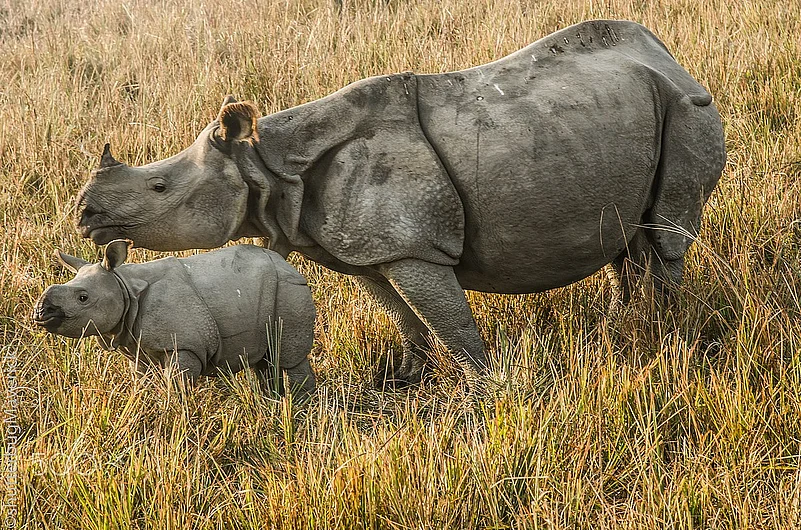
Pobitora Wildlife Sanctuary is celebrated for having the highest density of Greater One-Horned Rhinoceros in India. A model of successful conservation, it encompasses the Rajamayong and Pobitora Reserve Forests. The Rajamayong hills shelter leopards, capped langurs, porcupines, pangolins, and other wildlife, while the expansive grasslands of Pobitora are home to rhinos, wild water buffalo, monitor lizards, and wild boars. Over 375 species of birds have been recorded here, making it a haven for birdwatchers. Pobitora has also played a crucial role in the Indian Rhinoceros Vision, 2020, providing rhinos for translocation to Manas National Park. It marked a significant milestone in wildlife conservation in June 2025 by recording zero rhino poaching for the past 11 years. For more info, check our guide here.
Temples, Festivals And River Life In Mayong
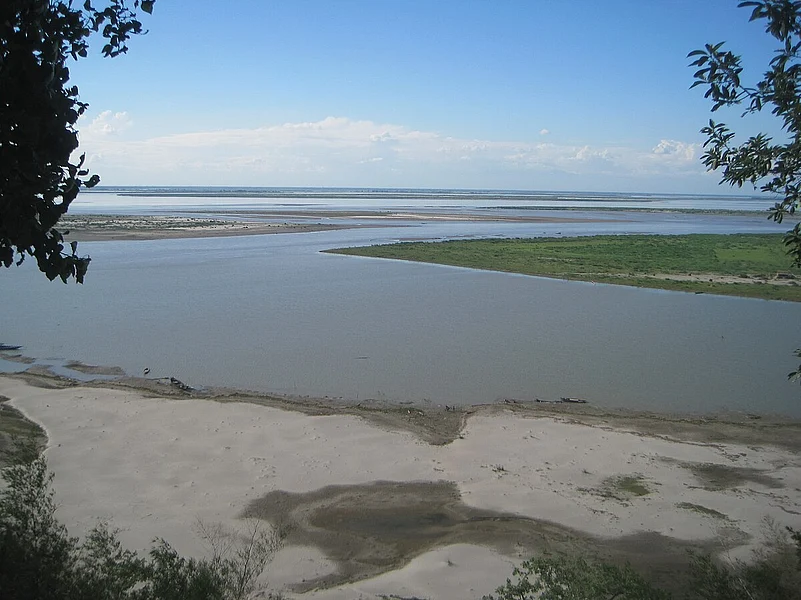
Beyond its mystical legacy, Mayong offers a wealth of cultural and natural experiences. Visitors can explore ancient temples, sacred groves, and historic ruins scattered across the village, each bearing silent testimony to centuries of local tradition. Time your visit with festivals such as Bihu, Nowka Khanda Utsav—the boat festival—or Sitala Puja, and witness the vibrancy of Assamese culture through music, dance, and ritual. The nearby banks of the Brahmaputra provide a serene setting for nature walks or boat rides, offering a different rhythm to village life. For the curious, Mayong also presents a chance to glimpse traditional healing practices, where some elder ojhas still demonstrate rituals rooted in centuries-old techniques.
Day Trips From Mayong, Assam
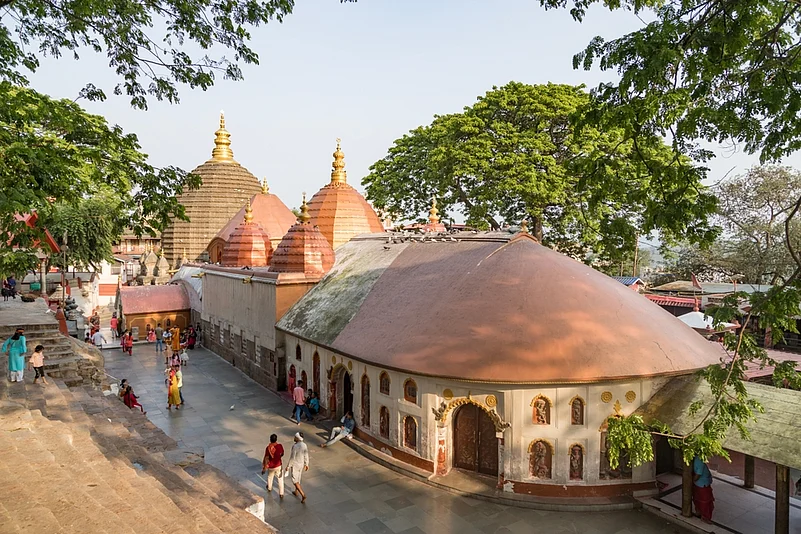
The nearest city (about 40km away) is Guwahati, the capital of Assam, offering attractions like Kamakhya Temple, Umananda Temple, and local markets for shopping. Rich in culture, steeped in history, and surrounded by an abundance of natural beauty, this bustling city offers a unique blend of tradition and modernity. If you have only 24 hours, this guide to a day in Guwahati will help you experience the city in a swift, albeit fulfilling, way.
Where To Stay And Eat In Mayong
Mayong and its surroundings near Pobitora Wildlife Sanctuary offer a variety of eco-resorts and homestays. Options include Chanaka Eco Camp, Mystique Mayong Eco Resort, Zizina Resorts, and Rhino & River BluSalzz, as well as simpler stays like Mayong Villa and Silent Rocks Homestay. These accommodations combine nature, local Assamese cuisine, and proximity to the sanctuary. For dining in Mayong, Assam, resorts and homestays offer authentic local flavours. You can head to small eateries serving traditional Assamese thalis.
Travel Guide: How To Reach Mayong Village
To reach Mayong, Assam, fly into Guwahati International Airport (GAU) (the nearest airport, about 40-60 km away) and then take a taxi or drive; the closest railway station is Jagi Road Railway Station, which is about 35 km from Mayong, with major train connectivity via Guwahati. From either transport hub, you'll need to hire a local taxi or bus for the final road journey to Mayong village.
Best Time To Go
The best time to visit Mayong, Assam, is during the winter season (October to March) when the weather is cool, dry, and pleasant, ideal for exploring its mystical culture, local healers, and nearby Pobitora Wildlife Sanctuary, with November to February often being prime months for comfort.
FAQs
What is Mayong famous for?
Mayong, in Assam’s Morigaon district, is popularly known as the “Land of Black Magic.” Historically, it was home to ojhas—healers and practitioners of rituals—but today it attracts visitors for its rich cultural heritage, folklore, temples, and museums.
How far is Mayong from Guwahati?
Mayong is approximately 40 kilometers from Guwahati, making it easily accessible for a day trip or a short cultural tour from Assam’s largest city.
What can tourists see and do in Mayong?
Visitors can explore ancient temples, museums with historical artifacts, and wildlife sanctuaries. The village also offers a glimpse into Assamese folklore, traditional rituals, and local culture beyond the tales of black magic.
When is the best time to visit Mayong?
The ideal time to visit is between October and April, when the weather is pleasant for sightseeing, wildlife exploration, and visiting cultural sites without the heavy monsoon rains.