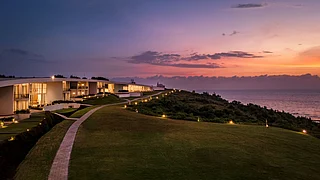


Summer does not have to mean predictable hill stations or overcrowded beaches. This year, think beyond the usual and plan a holiday that feels personal, immersive, and a little unexpected. Imagine waking up to the rush of a Himalayan river in Himachal, walking across misty meadows in Kerala, or finding yourself in a remote Arunachal valley where prayer flags flutter against snow-lined peaks. Now picture barefoot days on a quiet Lakshadweep island, or watching the sun melt into the sea in coastal Karnataka.
And if you are willing to cross continents, the possibilities only get better. You could be snorkelling in the clear waters of Phu Quoc, wandering through spice-scented streets in Zanzibar, or breathing in cool alpine air in a Swiss valley straight out of a postcard.


These eight destinations bring together five remarkable Indian escapes and three international favourites that are just far enough to feel exciting, yet accessible enough to plan with ease. Whether you are chasing cool mountain air, island isolation, or beachside sunsets, this list is your shortcut to a summer done right.
Tirthan Valley, Himachal Pradesh

If you have ever wanted to disappear into the mountains without actually going off the grid, Tirthan Valley is where you should go. Tucked in Himachal Pradesh’s Kullu district, about 500 km from Delhi, this valley stretches along the crystal-clear Tirthan River, with cedar forests, apple orchards, and wooden Himachali homes completing the picture. It feels intimate, almost personal, the kind of place where mornings begin with mist lifting off the river and evenings end with the sound of water rushing over stones.
Tirthan Valley offers you space and silence. Unlike Manali or Shimla, there are no noisy traffic jams or crowded mall roads. Mornings, here, will greet you with crisp mountain air. The Great Himalayan National Park, a UNESCO World Heritage Site, sits right at its edge, making this valley a base for serious nature lovers. You can trek into dense forests in search of rare Himalayan birds, hike towards alpine meadows, or simply follow gentle trails that lead to waterfalls like Chhoie.
Drive up to Jalori Pass for sweeping views and then walk to the serene Serolsar Lake, surrounded by tall trees that reflect perfectly in its still waters. Spend time in tiny villages such as Gushaini and Jibhi, where life moves at its own rhythm. Stay in a homestay, and you might find yourself in the kitchen learning to make siddu, the local steamed bread stuffed with walnuts or poppy seeds, or eating chha gosht, a rich Himachali mutton curry best enjoyed with rice and mountain air. Fresh trout from the river is a must if you eat fish.
You can fish, camp by the river, read for hours, or do absolutely nothing— that is the luxury at Tirthan.
If you plan to explore more of Himachal Pradesh, consider Kufri, Kasauli, Manali, and Dharamshala, with comfortable stays available at well-located Sterling properties across these destinations.
Getting There: Book flights via Ixigo or Yatra.com to Bhuntar Airport near Kullu (about 50km away), then hire a taxi to Gushaini or Jibhi; Chandigarh is the nearest railhead, though most travellers prefer an eight- to ten-hour road trip from Delhi or Chandigarh.
Pro Tip: Carry warm layers even in summer, as nights can get cold. Choose a riverside homestay for the full experience and disconnect from patchy mobile networks to truly enjoy the valley. Carry adequate cash for the duration of your trip.
Menchukha, Arunachal Pradesh
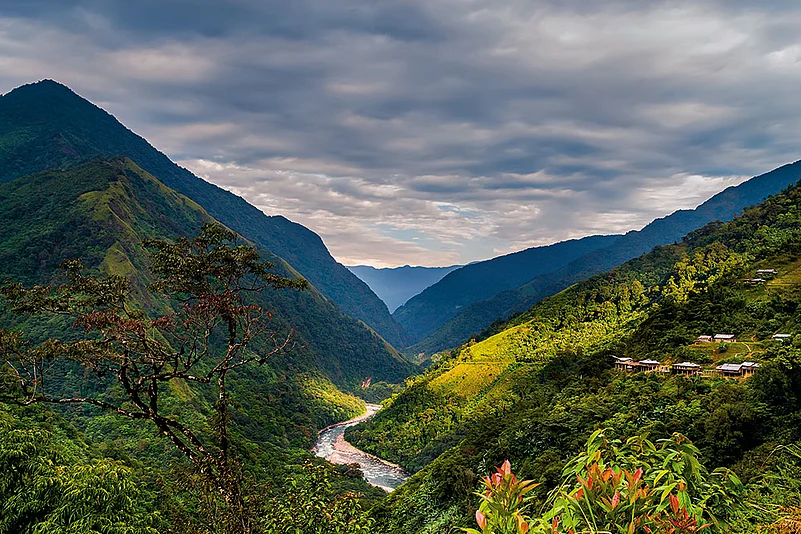
Menchukha in Arunachal Pradesh is so off-the-grid that you almost feel like you've reached the edge of the map. Tucked close to the Indo-China border (Lamang Pass) in the Shi Yomi district, this remote valley sits at about 6,000 ft above sea level and looks like a dream stitched together with pine forests, wooden homes, and a wide river cutting through open grasslands. It is vast, raw, and refreshingly untouched.
The journey itself prepares you for something extraordinary. Winding mountain roads reveal sweeping views of snow-dusted peaks and deep valleys. Once you arrive, the Siyom River becomes your constant companion, flowing past prayer flags and grazing yaks. Unlike popular hill stations, Menchukha does not try to impress you with curated attractions; its beauty is effortless.
One of the highlights here is the 400-year-old Samten Yongcha Monastery that offers panoramic views of the valley. The hum of prayer wheels and fluttering flags creates a sense of stillness that is hard to describe. You can walk across hanging bridges, explore small villages like Dorjeeling, or simply sit by the river and watch clouds drift lazily across the mountains.
The culture here is deeply influenced by Tibetan Buddhism and the local Memba tribe. Staying in a homestay gives you a glimpse into everyday life. Expect warm hospitality, stories shared over cups of butter tea and meals that are simple yet comforting. Churpi (fermented yak cheese), thukpa, momo, steamed trout, and rice-and-buckwheat-based dishes dominate the table, often made with fresh local ingredients. The flavours are clean and hearty, perfect for the cool mountain air.
Adventure seekers can go ziplining, kayaking on the river, hiking through alpine forests, or try mountain biking along rugged trails. Photographers will find endless frames, from grazing yaks to traditional wooden houses set against towering peaks. At night, the sky opens up in a blanket of stars rarely visible in cities.
Menchukha is not for rushed travellers. It is for those who want to disconnect, breathe deeply, and feel the scale of nature around them. It is undisturbed, culturally rich, and wonderfully offbeat.
Getting There: You can book flights via Goibibo or EaseMyTrip to Dibrugarh Airport, Assam, and then take a scenic two-day road journey via Aalo or Basar, or occasionally use helicopter services from Guwahati or Dibrugarh, subject to weather and availability.
Pro Tip: You will need an Inner Line Permit to visit Arunachal Pradesh, which can be applied for online. Carry cash and plan buffer days for weather disruptions.
Vagamon, Kerala

Vagamon is Kerala at its most beautiful. Located about 100 km from Kochi in the Idukki district, this hill station rests at roughly 3,608 ft above sea level. The drive sets the tone. As you leave the coastal humidity behind, the air cools, the roads begin to curve, and tea gardens ripple across hillsides like soft green waves. Instead of dramatic Himalayan peaks, Vagamon offers rolling meadows, velvety pine forests, and mist that drifts lazily across open valleys.
What makes Vagamon special is its restraint. It does not compete for attention. There are no loud markets or long queues at viewpoints. Just wide stretches of grassland where you can sit cross-legged and watch clouds move like slow theatre across the sky. The meadows feel almost European in their openness, ideal for picnics, unhurried conversations and photography sessions where every angle looks postcard-ready. Nearby, the pine forest stands tall and cinematic, its straight trunks forming natural corridors of filtered light that make even a casual walk feel atmospheric.
Adventure has its place here, too. Paragliding is one of Vagamon’s most thrilling draws, giving you a bird’s eye view of the valleys below, tea plantations stitched into the hills and winding roads disappearing into the distance. If you prefer something slower, wander through small tea estates where workers move rhythmically through the bushes, or hike up to Kurisumala, a hill revered for its spiritual significance. The path is peaceful, and the summit offers panoramic views that make the climb worthwhile.
Life here unfolds gently. You will find local farmers tending to cattle, roadside stalls selling fresh pineapples and conversations that stretch longer than planned. The food reflects Kerala’s culinary warmth. Appam with vegetable stew, spicy fish curry simmered in coconut milk, tapioca with chutney and strong cardamom tea become daily comforts. The cool climate makes every meal feel hearty and grounding. Vagamon is where you go when you want hills without frenzy and a rhythm that slows your pulse.
If you're heading to another of Kerala's highlands like Munnar, expect more of expansive tea gardens, cloud-wrapped hills, and cosy stays like Sterling Munnar, set within the scenic landscape.
Getting There: Book flights via Ixigo or Booking.com to Cochin International Airport, then reach your destination by a scenic three- to four-hour drive, or via Kottayam railway station.
Pro Tip: Carry light woollens as evenings can be cool despite Kerala’s tropical reputation.
Lauterbrunnen, Switzerland

Lauterbrunnen looks like it was designed to be a postcard, and yet no photograph quite prepares you for the real thing. Nestled deep in a dramatic U-shaped valley in the Bernese Oberland region of Switzerland, the village is surrounded by sheer limestone cliffs that rise almost vertically on either side. From these cliffs tumble 72 waterfalls, thin silver ribbons in summer and roaring cascades after snowmelt, spilling into impossibly green meadows below. When much of Europe swelters, Lauterbrunnen stays refreshingly cool. The air feels clean and energising, scented with grass and alpine flowers.
The village itself is tiny, almost toy-like, with chalet-style houses, flower boxes bursting with colour and church spires punctuating the skyline. The most famous waterfall, Staubbach Falls, plunges nearly 300m and is visible from almost anywhere in town. On a windy day, the falling water turns to mist before it reaches the ground, giving it an ethereal quality that once inspired poets. A short walk takes you behind the cascade, where you can stand inside the cliff and watch the valley through a curtain of water.
Lauterbrunnen is also the gateway to some of Switzerland’s most iconic alpine experiences. Cogwheel trains and cable cars whisk you up to car-free villages like Wengen and Murren, where wooden chalets cling to mountain slopes, and cowbells echo across pastures. From here, you can continue to Jungfraujoch, often called the Top of Europe, for views of glaciers and snowfields that stretch endlessly. Hikers are spoilt for choice, with gentle valley walks past grazing cows and more challenging alpine trails that reward you with panoramic views of the Eiger, Mönch, and Jungfrau peaks.
Food is hearty and deeply comforting. After a long hike, there is nothing better than dipping bread into bubbling cheese fondue, tucking into crispy rösti or ordering a slice of apple tart in a cosy mountain restaurant. Even a simple hot chocolate feels indulgent when sipped on a terrace overlooking snow-capped peaks.
Lauterbrunnen is just the destination for you if you crave cinematic landscapes but appreciate precision and ease. Trains run on time, trails are clearly marked, and every view feels like it belongs to a movie screen. It is romantic without trying too hard, invigorating without being extreme and endlessly photogenic at every turn.
Getting There: Book flights via Skyscanner or MakeMyTrip to Zurich or Geneva, then take trains to Interlaken and onwards to Lauterbrunnen.
Pro Tip: You will need a Schengen visa to visit Switzerland. Apply in advance to make the most of the region’s excellent rail network.
Gokarna, Karnataka

If Goa feels too loud and predictable, let us point you further south along the Karnataka coast to Gokarna. This small temple town is nestled where the Arabian Sea collides with rugged cliffs and palm-fringed beaches, creating a sacred, sun-soaked landscape. About 480 km from Bengaluru, Gokarna has silently evolved into a favourite for travellers who want coastal beauty without the delirium of big beach hubs.
What makes Gokarna compelling is its dual personality. At the heart of town stands the revered Mahabaleshwar Temple, dedicated to Lord Shiva. Pilgrims in traditional attire walk barefoot through narrow lanes lined with flower sellers and sweet shops, the air thick with incense and temple bells. A few kilometres away, you can go on sunset hikes or lounge in loose cotton clothes for yoga retreats. The contrast is striking, yet completely natural. Gokarna does not force these worlds apart. It lets them exist side by side.
The coastline here is best experienced slowly and on foot. Kudle Beach is where many start their day, with gentle waves and a relaxed café scene that invites you to linger. From there, a scenic cliff trail leads to Om Beach, named after its distinctive shape. The hike itself is part of the charm, with panoramic sea views opening up at every turn. Continue onward to Half Moon and Paradise Beach if you crave quieter stretches where the sound of the sea drowns out everything else. Early mornings belong to yoga sessions on the sand, while evenings glow with fiery sunsets that melt into the Arabian Sea.
Food is simple and deeply satisfying. Beach shacks serve prawn curry, squid fry and fresh fish thalis that taste best with your feet still sandy. In town, traditional Karnataka meals arrive on banana leaves, complete with rice, sambar, vegetables and papad. A strong cup of South Indian filter coffee after a long coastal walk feels like a ritual in itself.
Gokarna is where you can relax while still enjoying its vibrant charm. It is unpolished in the best way, offering cliff views, temple chants, and salt in your hair all at once.
Getting There: Book flights to Dabolim Airport, Goa, through EaseMyTrip or Agoda, then reach Gokarna, 140 km away. You can also take a train from Mumbai or Bengaluru, followed by a scenic road journey.
Pro Tip: Stay near Kudle for relaxed vibes or in town if you want to be close to temples.
Kadmat Island, Lakshadweep

If you are dreaming of the Maldives but want something far more exclusive and far less crowded, this summer is your time to get yourself introduced to Kadmat Island in Lakshadweep. This slender coral island floats in the Arabian Sea, about 400 km off the Kerala coast, and feels like a private sliver of paradise. Unlike more commercial beach destinations, Kadmat remains beautifully under the radar, which is exactly its appeal.
Kadmat is long and narrow, fringed by powdery white sand on one side and a shimmering lagoon on the other. The lagoon here is its crown jewel. Calm, shallow and impossibly clear, it is perfect for swimming, kayaking, and snorkelling, even if you are not a strong swimmer. The coral reefs surrounding the island are alive with colour. Expect to spot parrotfish, rays and vibrant reef formations just a few metres from the shore. For divers, Kadmat is one of India's best-kept secrets, with dive sites offering excellent visibility and minimal boat traffic.
There is a simplicity to life here that instantly slows you down. You wake up to endless blue horizons and the sound of gentle waves instead of traffic. Days are spent walking barefoot along empty stretches of sand, cycling across the island, or watching fishermen bring in the day’s catch. As tourism is tightly regulated, the island never feels overrun. Accommodation is limited to a handful of government-approved resorts and eco-friendly stays, which adds to the exclusivity.
Food is fresh, coastal, and flavourful. Tuna is a staple in Lakshadweep, often prepared as curries or lightly grilled with local spices. Coconut features heavily in most dishes, lending a subtle sweetness. Expect simple meals of rice, seafood and traditional island recipes rather than elaborate buffets.
Kadmat is for travellers who want true island isolation without sacrificing comfort. It is pristine and deeply restorative, the kind of place where you lose track of time and do not mind at all.
Getting There: Fly from Kochi to Agatti Island, the main entry point to Lakshadweep. From Agatti, take a speedboat transfer to Kadmat, which takes a few hours depending on sea conditions. Pre-arrange your trip through authorised operators like Yatra.com or MakeMyTrip.
Pro Tip: You will require an entry permit to visit Lakshadweep, which is arranged through your resort or tour operator. Book well in advance as stays fill quickly during peak season.
Phu Quoc, Vietnam

Phu Quoc on Vietnam’s southwest coast in the Gulf of Thailand feels like a tropical secret that is quickly stepping into the spotlight. Once known mainly to backpackers, this island is now firmly on the radar of Indian travellers looking for something fresh yet accessible. Long stretches of white sand, calm, clear waters, and a mix of sleepy fishing villages and polished beach resorts give it a balance that is hard to resist. According to Santosh Kumar, regional manager, South Asia, at Booking.com, Phu Quoc is experiencing a two-fold year-over-year increase, fueled by its pristine beaches, adventure activities, and enhanced connectivity.
The island’s western coastline is where most travellers gravitate, especially for sunsets that turn the sky into dramatic streaks of orange and rose. Long Beach runs parallel to a string of resorts and beach bars, making it ideal for swimming in the day and relaxed evenings by the sea. Sao Beach on the southeastern side offers powdery sand and picturesque views, with gentle waters perfect for floating lazily under the sun. Snorkelling and island hopping tours take you to coral reefs teeming with colourful fish, while divers can explore deeper marine life around the An Thoi archipelago.
One of the most memorable experiences is the cable car ride to Hon Thom Island, which glides above turquoise waters and scattered islets for panoramic views that seem to stretch endlessly. On land, Phu Quoc reveals its local character through pepper farms that produce some of Vietnam’s finest peppercorns and traditional fish sauce factories where the island’s signature condiment ferments in massive wooden barrels.
Food is a highlight. You can start your day with a fragrant bowl of pho, snack on crispy banh xeo pancakes stuffed with herbs and seafood, and end with freshly grilled squid or prawns at the bustling Phu Quoc Night Market. The market is lively but not overwhelming, perfect for sampling street food and picking up souvenirs.
Phu Quoc works beautifully if you want a tropical international escape that feels exotic yet manageable. It blends beach bliss with culture and soft adventure, giving you just enough to explore without ever losing sight of the sea.
Getting There: Book flights via Booking.com or Skyscanner from major Indian cities to Phu Quoc via Ho Chi Minh City or Hanoi, averaging eight to 10 hours of travel.
Pro Tip: Apply for an e-visa to Vietnam online before travel. Check current rules, as visa-free entry policies sometimes apply for short stays.
Zanzibar Island, Tanzania

Zanzibar feels exotic the moment you land. Located off the coast of Tanzania in East Africa, this archipelago rests on the Indian Ocean like a place suspended between continents and centuries. The air is warm, lightly scented with salt and spice, and the light has a golden quality that makes everything look cinematic. At the heart of it all is Stone Town, a UNESCO World Heritage Site where history is etched into coral stone buildings and intricately carved wooden doors. Walking through its narrow alleys feels like stepping into a living museum shaped by Arab traders, Persian influences, Indian merchants and European explorers.
Stone Town rewards slow exploration. You wander past old sultan palaces, bustling bazaars, and waterfront promenades where fishermen haul in their daily catch. The call to prayer drifts through the air at dusk, blending with the hum of conversation from street cafés. It is atmospheric without feeling staged.
Then there are the beaches, and they are every bit as dreamy as you imagine. Nungwi and Kendwa in the north are known for their powder-soft sand and warm, swimmable water that stays relatively unaffected by strong tides. Days here revolve around snorkelling over coral reefs, diving into clear blue lagoons or sailing on a traditional wooden dhow as the sun sets in a blaze of orange over the Indian Ocean. The sea is calm, inviting, and impossibly blue.
Zanzibar’s nickname, the Spice Island, is not just branding. Guided spice tours take you inland to plantations where cloves, cinnamon, nutmeg and vanilla grow abundantly. You crush leaves between your fingers and instantly understand how this island once sat at the heart of global trade routes. Food reflects that layered history. Expect coconut-rich seafood curries, grilled octopus, pilau rice fragrant with spices and chapati that hints at Indian influence. Evenings at the waterfront market in Forodhani Gardens are a sensory feast, with skewers sizzling and vendors calling out their specials.
Zanzibar is for travellers who want more than a beach holiday. It offers turquoise waters and white sand, yes, but also stories, flavours and cultures woven seamlessly into every experience.
Getting There: Book flights to Zanzibar via Doha, Dubai, or Addis Ababa on MakeMyTrip or Goibibo. Travel time ranges from ten to 14 hours.
Pro Tip: You can obtain a visa on arrival in Tanzania. Carry required documents and confirm updated entry rules before departure.
Looking for more such exciting and meaningful stories? Grab our latest issue on Amazon.