


For many, it is no longer about chasing the hottest destination on the map. Instead, holidaymakers are seeking fresh mountain air, mild temperatures and places where sightseeing or outdoor activities do not feel exhausting. Concerns over wildfires, droughts and extreme weather are also influencing travel plans, pushing more people towards calmer, temperate destinations this summer.
As blistering heatwaves sweep across many of the world’s traditional summer hotspots, travellers are beginning to rethink where they spend their holidays. Instead of flocking to sun-scorched beaches and crowded Mediterranean cities, many are choosing “coolcations” — trips to milder destinations offering crisp air, lower temperatures and a more comfortable pace of travel.
A Shift In Travel Choices
The factors driving the “coolcation” trend are closely linked to a growing shift towards sustainable travel choices:
Escaping rising temperatures and environmental strain: Popular summer destinations are increasingly battling intense heatwaves, wildfires and water shortages. Travellers are turning to cooler northern regions not only for relief from the heat, but also to avoid adding pressure to already stretched local resources during peak tourist season.
Comfortable travel and slower journeys: Many holidaymakers want to enjoy long days outdoors without struggling through extreme temperatures. As a result, travellers are embracing slower, more eco-conscious ways of getting around, including train journeys, scenic road trips and longer stays that reduce the rush often associated with summer travel.


Choosing low-impact stays: Climate concerns are also changing where people stay. Instead of large, energy-heavy resorts, many coolcation travellers are opting for eco-lodges, homestays, and locally run accommodation that offer a smaller environmental footprint while supporting local communities.
How to Practice Low-Impact Coolcations
To ensure your coolcation leaves as little environmental impact as possible, travellers are being encouraged to make more conscious choices throughout their trip:
Take the train: Swapping short-haul flights for rail journeys can significantly reduce carbon emissions, while also allowing travellers to enjoy a slower and more scenic experience.
Book local homestays: Family-run guesthouses, farm stays and locally owned accommodation often use fewer resources than large resorts, while helping support local communities and businesses.
Pack for zero waste: Carrying reusable water bottles, shopping bags and food containers can help cut down on single-use plastic and reduce pressure on local waste systems.
Support eco-certified operators: Choosing tour companies and guides with recognised sustainability certifications helps encourage responsible tourism practices.
Leave no trace: Travellers exploring cooler mountain or northern regions are being reminded to stick to marked trails and respect fragile ecosystems vulnerable to environmental damage.
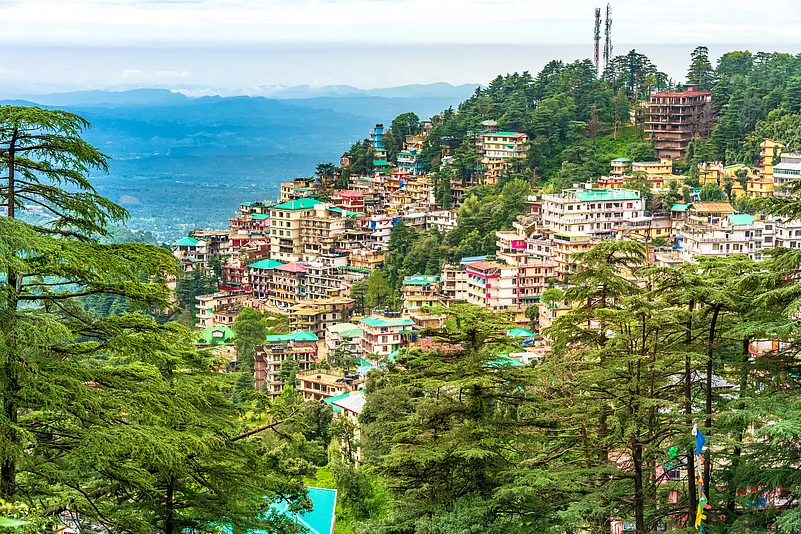
India’s high-altitude regions are becoming increasingly popular. Destinations such as Ladakh, Spiti Valley, and the upper reaches of Himachal Pradesh and Uttarakhand offer a welcome break from soaring temperatures.
Many travellers are also looking for ways to make these trips more sustainable. Instead of relying entirely on flights, some are choosing slower and more scenic journeys, including the historic Toy Train routes to Shimla and Ooty.
FAQs
Why are people avoiding popular summer destinations?
Because extreme heat and overcrowding make them uncomfortable and less enjoyable.
Where are travellers going instead?
Cooler places like Iceland, Norway, and alpine regions like Switzerland.
What is slow travel?
Spending more time in fewer places, often using trains or road trips instead of fast flights.
How is travel becoming more sustainable?
By choosing eco-stays, public transport, and lower-carbon travel options.
Are people changing travel dates too?
Yes, many now travel in spring or autumn to avoid peak heat.


