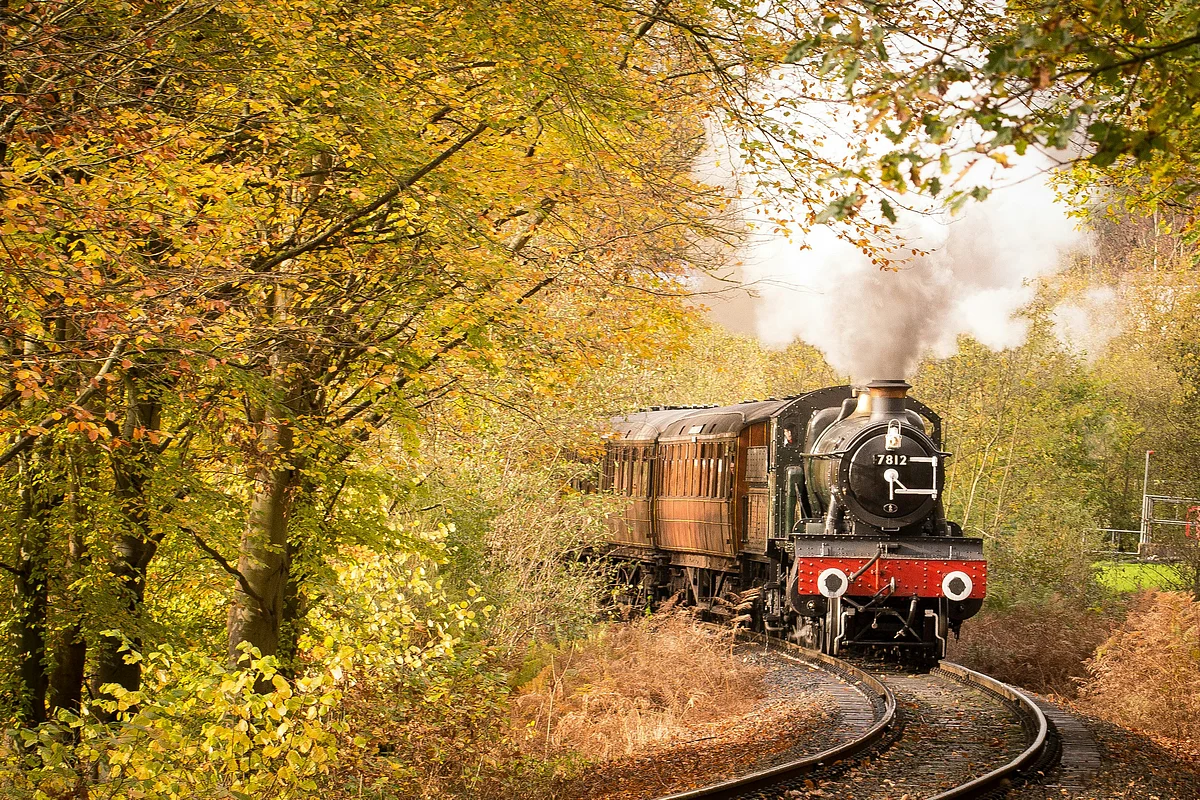
The train was headed for Mumbai, moving through the night and into the next day. I got on without any real expectations, with the simple knowledge that the trip would last eighteen to nineteen hours. I was travelling between two familiar places, heading from Delhi to the city they call the dream factory. As we passed each station, time seemed to slow down. I drifted in and out of sleep, and conversations faded into the steady sound of the train on the tracks.
Out of boredom, without really meaning to, I started to watch what was happening around me.
Sitting and observing people is a strange thing to admit to. It sounds idle, almost invasive, as if one should be doing something more productive. And yet, on that long journey, it felt like the most natural thing in the world; after all, I needed more than just a book to keep me entertained. All I really did was observe the passengers around me.
A Moving Room Of Strangers
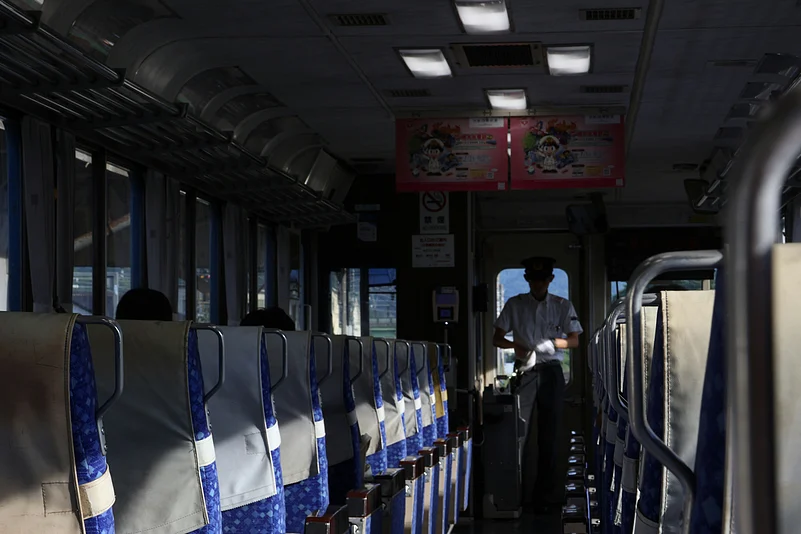

Trains have a quiet charm. They bring together strangers who might never meet otherwise, asking them to share a small space for hours or even days. People from different backgrounds, jobs, cultures, and languages all travel together, united by a single contract, moving forward on the same journey.
Each passenger has somewhere to go and their own reason for being on the train, with their lives continuing outside the window. I’ve always thought trains are one of the few places where differences take a backseat. People sit side by side, no matter who they are. Food is shared, even if there isn’t much, and kindness is practised freely.
This is not romance. It is habit, necessity, and generosity blending into something humane.
The Family I Did Not Know
On the journey, a family of three sat next to me, with a fourth passenger drawn into their orbit. The father was quiet and reserved, speaking little, but his smile lingered in a way that made him feel dependable. The daughter mirrored his stillness, absorbed in her phone, though every time she spoke, her voice was gentle, almost careful. The mother balanced them both. She was lively, cheerful, quick to ask questions and quicker to laugh. Within an hour, she was talking comfortably with the passenger seated across from her, exchanging snacks and stories. Their comfort with each other made the space feel warmer and less temporary.
A Young Man Far From Home
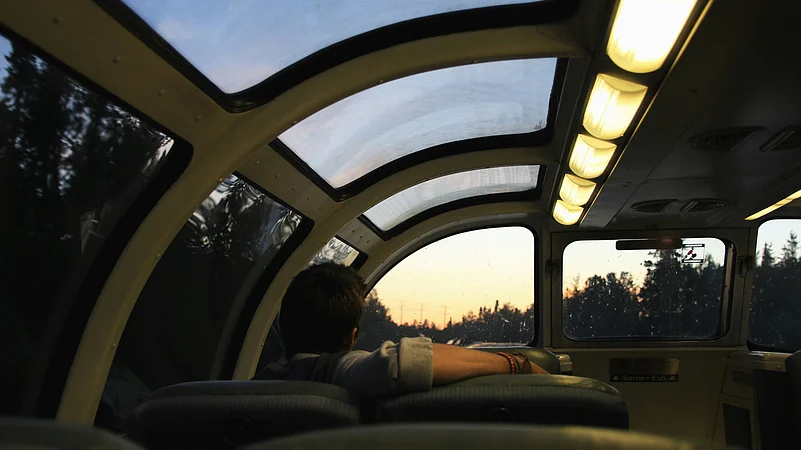
In all of this, the person who held my attention was the foreigner sitting with them. A tourist from Japan, travelling alone at the mere age of nineteen. He looked young in a way that felt unprotected rather than naïve. Perhaps he was a university student, taking advantage of freedom before responsibility tightened its grip. His English was limited, but his smile filled in the gaps that language could not.
He didn’t speak much, yet something was reassuring about his presence. The family had quietly taken him in. They helped him understand the stops, offered him food, and explained things he hadn’t asked about. They became a kind of guiding light, easing him through unfamiliar territory, making him feel less like a stranger in a strange land. Later, I overheard that he had already been to Delhi, Jaipur, and Agra.
He carried only one camper-style bag, the kind meant for movement, not comfort. It rested near his feet like a declaration of intent. There was something brave and vulnerable about travelling so far, so young and alone. Exciting, surely, but frightening too. Still, he ate everything offered to him, nodded often, and smiled with an openness that invited conversation. The more I watched him, the more curious I became about his past travels. At one point, I saw him writing, maybe in a journal. Every so often, he looked up from the page, glanced around the coach, and then gazed out the window at the passing fields, houses, and trees. He wrote purely in Japanese. The characters were neat and steady, even though the train made his lines waver slightly. From fragments of conversation, he held his pen loosely but with confidence, as if he knew just what he wanted to write down. I wondered which details he chose to remember. Which moments would he keep, and which would he leave out?
There was something intimate about watching someone document a world that was not theirs, knowing that you, too, might exist in their pages, unnamed but observed.
A Transient Memento
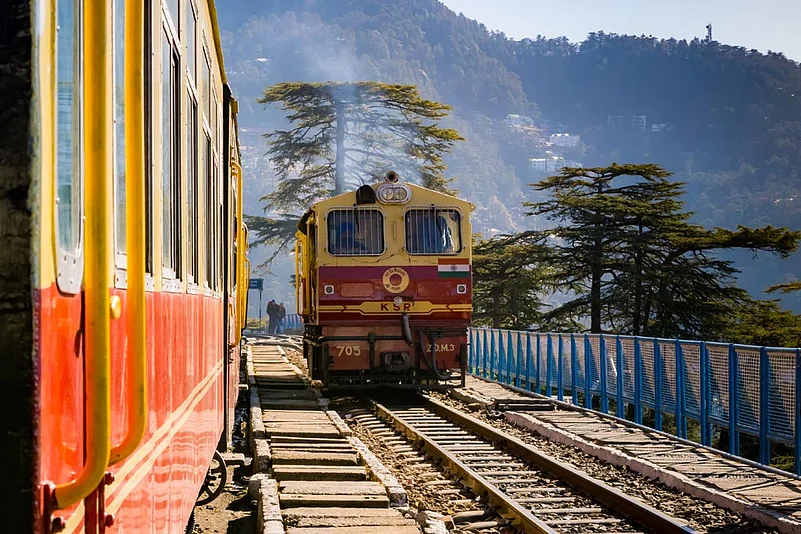
When he had first entered the coach, something else had caught my eye. An intricate henna design stretched from his palm up his arm. It resembled a bride's mehendi, delicate yet bold. The deep orange had settled into his skin, with tiny flecks of dried henna still clinging stubbornly. In its fleeting pattern, the henna seemed to echo the impermanence of our encounters on the journey, each moment vivid yet destined to fade, leaving soft imprints on our memories.
It seemed like a temporary souvenir, something that would fade but never entirely disappear. It showed he was part of the experience, not just watching from the outside. It wasn’t only about where he had been, but what he had chosen to take part in.
Learning To Look Slowly
In the past century, much before I took this train ride, German philosopher Walter Benjamin wrote about the 'flâneur,' the figure who walks through the city not to arrive but to notice; someone who observes without rushing, who allows the world to unfold rather than consuming it. On this train, without intending to, I became one. I chose to notice. I chose slowness. And in doing so, the journey expanded; time turned into duration. It became more than the distance covered or hours endured. It became textured, layered, alive.
This felt close to what people now call 'slow travel,' though it had nothing to do with itineraries or aesthetics. It was simply the refusal to numb myself through the passing hours, the decision to remain present. In stark contrast, I remembered the chaos of airport terminals, bustling crowds, and the constant alerts on my smartphone, a mark of how quickly life often rushed by. Amid this sea of hurry, I found myself appreciating the train's rickety calm, choosing to witness rather than merely ride.
What I Took With Me
Moments like these are rare for me. I don’t often give myself the space to observe and contemplate the lives of strangers. But when I do, they stay. They linger long after the destination has been reached.
That day, I felt like writing, so I did. Perhaps these words, scribbled in reflection, will embark on a journey of their own. Much like the traveller beside me. Still young. Still exploring. Still collecting stories from the world.
And wherever he is headed next, I wish him a safe return home.
Zunairah Khan is a Class 11 student who enjoys exploring new places and capturing their stories in words.