

Shravan is the fifth month of the Hindu lunar calendar and holds immense spiritual significance for devotees of Shiva. Falling during the monsoon season, it is revered due to the mythological belief that the Samudra Manthan happened during this period. The Manthan refers to the story of Lord Shiva consuming poison to prevent the churning of the universe, the effects of which were only quelled after consuming the holy water from the river Ganges. Celebrate this month of worship and devotion by visiting these 7 auspicious holy sites across India.
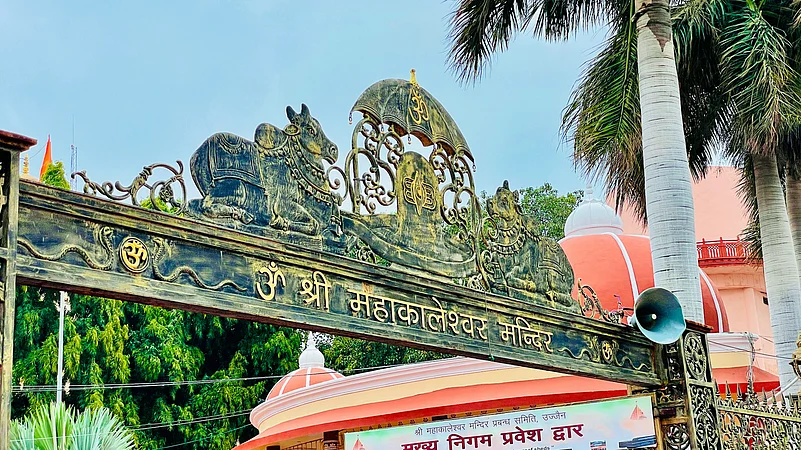
Mahakaleshwar, Ujjain
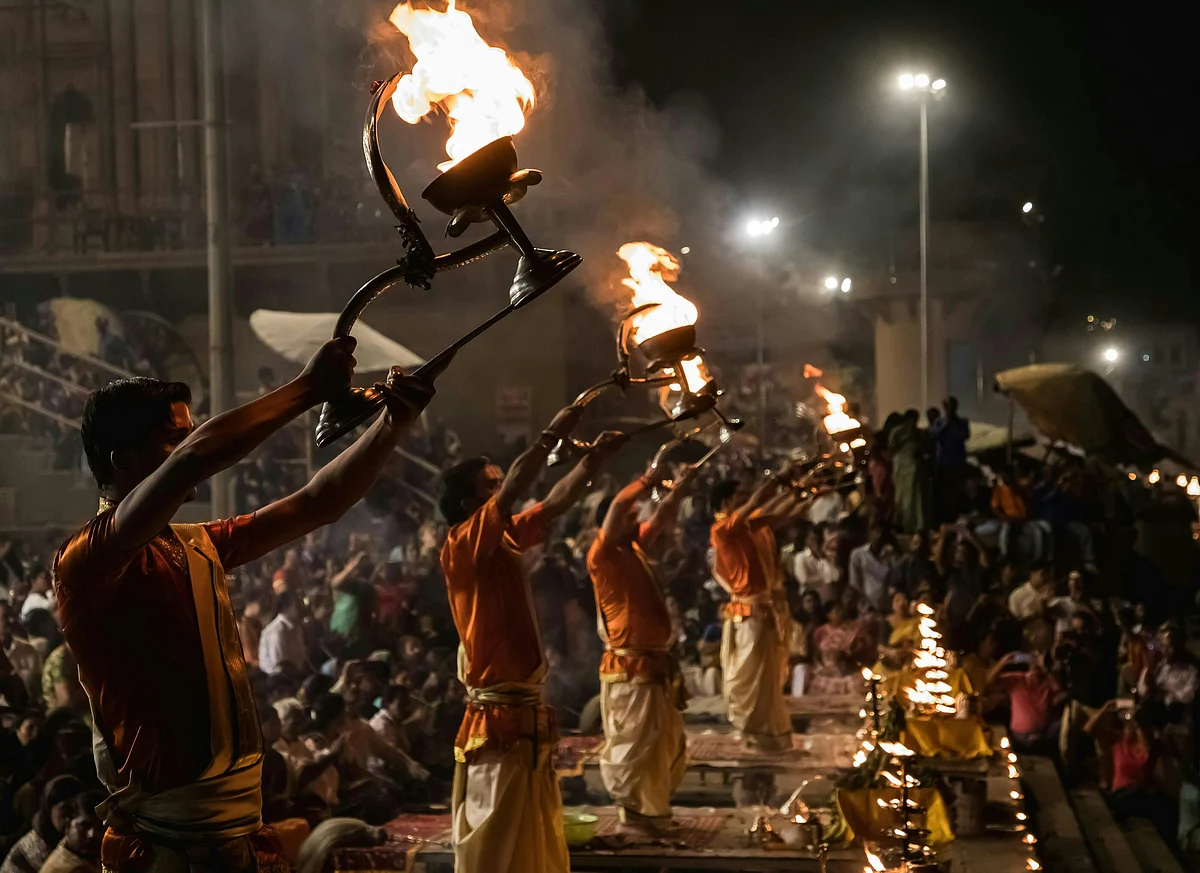
Located in Ujjain, Madhya Pradesh, Mahakaleshwar is considered one of the holiest Shiva temples. It is the only ancient jyotirlinga where Shiva is worshipped as the Lord of Time or Mahakal. The temple here is unique in the sense that it's the only one where the Jyotirlinga faces South. Thousands visit on a daily basis to witness the aarti by the river. Even if you’re not religious, a visit during the month of Shravan will let you see the zeal of the crowds, which is an experience in itself.

Mallikarjuna Temple, Andhra Pradesh
One of the twelve Jyotirlingas, this temple devoted to Shiva and Parvati is important for both the Shaiva and Shakti sects. Inscriptions dating back to the 2nd century suggest the influence of the Satavahana dynasty over the building of this temple. The temple complex has multiple shrines and halls, many of which were added by the Vijayanagar rulers. The architecture and history of the complex are such that it goes beyond religious sentiments. Even history enthusiasts would enjoy their visit here.
Kaleshwaram Temple, Telangana
This temple houses two Shiva lingas, named Lord Shiva and Lord Yama, respectively, on a single pedestal. A major pilgrimage destination, it is one of the three holy sites forming the ancient Trilinga Desham. The Mukteshwara linga here features two holes through which the milk poured seemingly disappears. It’s an interesting phenomenon to witness. The temple is located at the confluence of three sacred rivers: Godavari, Pranahita and the mythical Saraswati. The month of Shravan is a wonderful period to visit this site, as you get to see, in all its glory, the natural world in which the temple is embedded.
Sri Ramanatha Swamy Temple, Rameshwaram
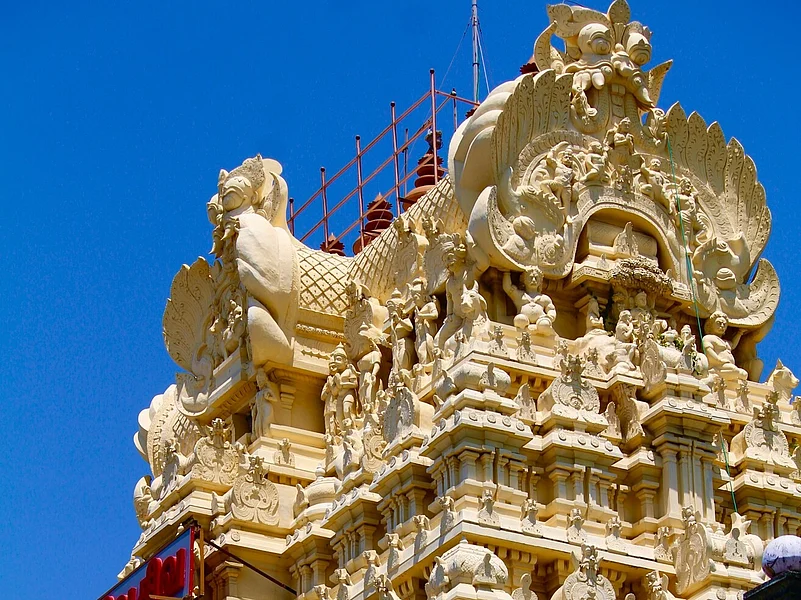
The southernmost Jyotirlinga lies here at Rameshwaram in Pamban Island. The temple here has 22 sacred wells, which worshippers immerse themselves in before entering the shrine. The water is considered medicinal. One of the Char Dham pilgrimage sites, this town has the world’s longest pillared corridor. Dhanushkodi is an abandoned town which lies at the southern tip of the island and is the meeting point for the Bay of Bengal and the Arabian Sea. It is a remarkably beautiful sight to witness. A visit to Rameshwaram deserves a visit to this ghost town.
Varanasi, UP
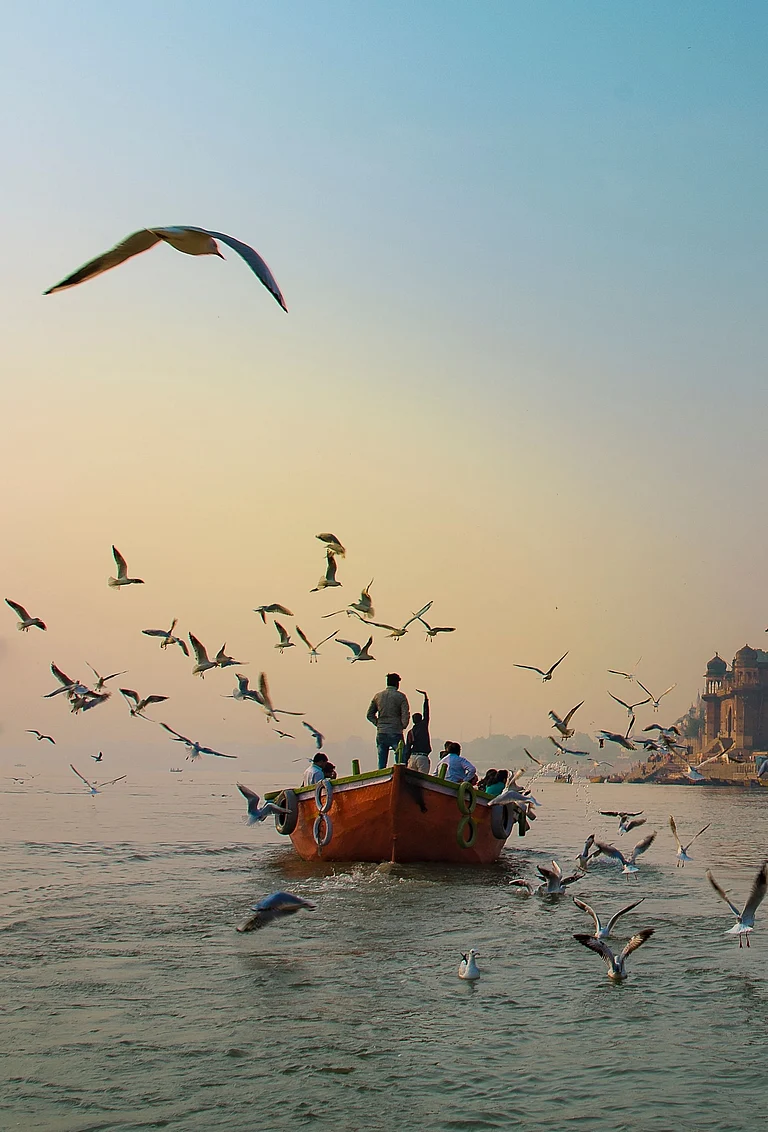
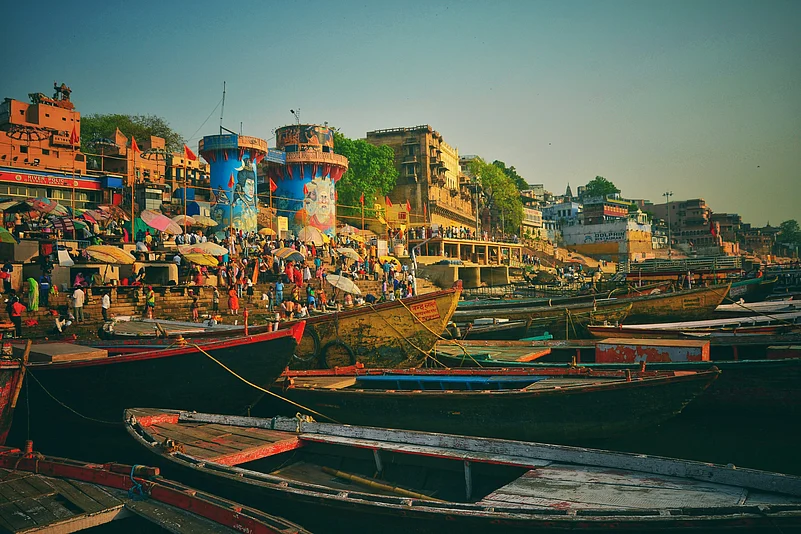
This city is considered one of the holiest cities for followers of Hinduism. The Hindu temple, Kashi Vishwanath, which is dedicated to Shiva, is one of the most important pilgrimage sites for devotees of the Shaiva sect. As per legend, this was the site where the first Jyotirlinga appeared as Shiva manifested as an infinite column of light in front of Brahma and Vishnu when they argued about their power. The temple complex houses several small shrines, a congregation hall and wells. The location of the city on the banks of the Ganges adds to the venerative capacity of the space. Boating on the river is a calming experience which is memorable even for those who aren’t religious. It is the energy which the city exudes which is charming and worth exploring.
Dwarka, Gujarat
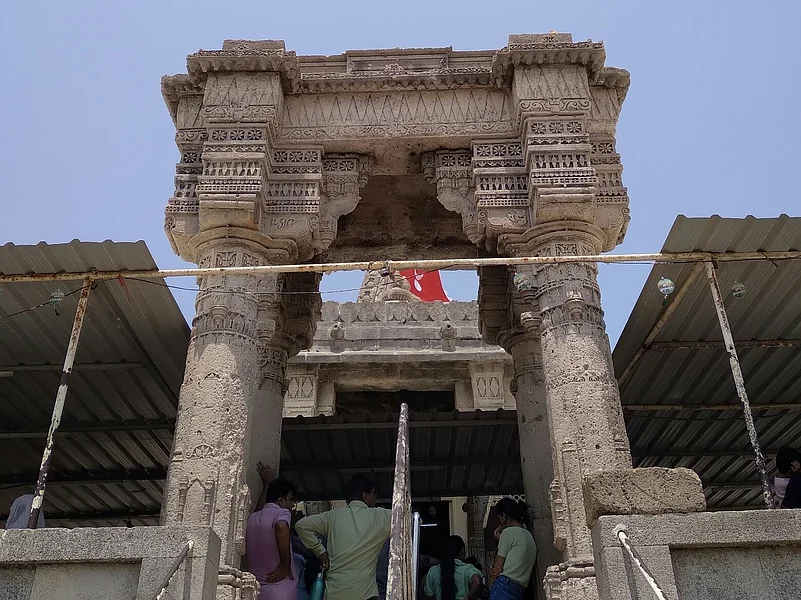
A revered Hindu site and a part of the Char Dham, the coastal city of Dwarka attracts visitors worldwide for its heritage, beauty, and temple architecture. One of the twelve Jyotirlingas, the Nageshwara Jyotirlinga, is located just 17 km away from the town. Just off the coast, one can also explore ancient underwater ruins, which include stone walls, blocks and more. You can also delve into the history of the place, mentioned in Hindu epics like the Mahabharata.
FAQs
Q1. Why is Shravan considered the most auspicious month for Lord Shiva devotees?
Shravan is believed to be the month during which Lord Shiva consumed the deadly poison Halahala during the Samudra Manthan to save the universe. Devotees observe fasts, offer prayers, and visit Shiva temples throughout the month to seek blessings.
Q2. Which Jyotirlingas can be visited during the Shravan pilgrimage?
The destinations featured include Mahakaleshwar (Ujjain), Mallikarjuna (Andhra Pradesh), Sri Ramanathaswamy (Rameswaram), and Nageshwar near Dwarka. These are among the twelve sacred Jyotirlingas dedicated to Lord Shiva.
Q3. Is it necessary to be religious to visit these spiritual destinations?
Not at all. These places are known not only for their religious significance but also for their remarkable architecture, rich history, scenic surroundings, and cultural heritage, making them rewarding experiences for all travellers.
Q4. What is the best time to visit these temples during Shravan?
Early mornings are generally the best time to visit, especially to attend temple rituals and avoid large crowds. However, keep in mind that Shravan is one of the busiest pilgrimage seasons, so expect higher footfall and plan your visit accordingly.
Q5. What should travellers keep in mind when planning a Shravan temple tour?
Wear modest clothing, follow temple customs, check darshan timings in advance, and be prepared for long queues during festivals and weekends. Since Shravan coincides with the monsoon season, carrying rain gear and comfortable footwear is also recommended.