As the clock ticks down to midnight on December 31, people all over the world don’t just wait for fireworks. In tiny villages and bustling cities alike, traditions built on centuries of belief, symbolism, and sheer creativity light up the turn of the year. Some are quirky, some are fiery, and all are full of human emotion and cultural meaning. Here’s a look at five of the most unique ways communities welcome the new year, and the stories behind them.
You Won’t Believe These 5 Wild New Year Traditions From Around The Globe
From burning giant effigies in India to Denmark’s plate-smashing luck ritual, these New Year customs are stranger than you imagined

Advertisement
Pappanji Burning: Kerala’s Fiery New Year Farewell (India)
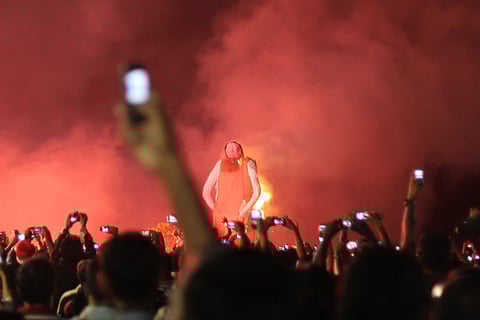
Pappanji burning in Kerala AJEESH KUMAR/Wikimedia Commons
In the coastal town of Fort Kochi in Kerala, New Year’s Eve isn’t complete without the towering Pappanji figure. This giant effigy, depicting an old European man, is painstakingly crafted by local artisans using straw, paper, and cloth. When midnight strikes on December 31, the figure is set ablaze on the beach, lighting up the Kerala sky and drawing thousands of locals and visitors.
For the people of Kochi, burning Pappanji symbolises casting off the old year’s burdens and welcoming the new with optimism and hope. The custom has roots in the region’s Portuguese colonial past and has evolved into one of Kerala’s most anticipated cultural events, balancing artistry, community spirit, and spectacle.
Plate Smashing For Luck: Denmark’s Shards Of Friendship
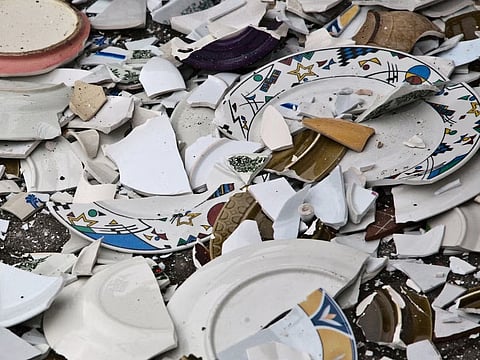
Plate smashing in Denmark for New Year's Facebook
Forget popping corks or toasting with champagne. Danes bring smashable crockery to New Year’s Eve festivities instead. In the run-up to December 31, people save chipped or old plates and bowls. When midnight arrives, they joyfully hurl them against the front doors of friends and loved ones.
Advertisement
The more broken pieces piled on your doorstep the next morning, the greater the goodwill and friendship believed to be headed your way. For Danes, it’s a loud, joyful way to discard old troubles and send wishes for luck and connection into the coming year, a tradition that turns broken bits into something deeply meaningful.
Ecuador’s “Año Viejo” Effigies: Burning The Old Year Away
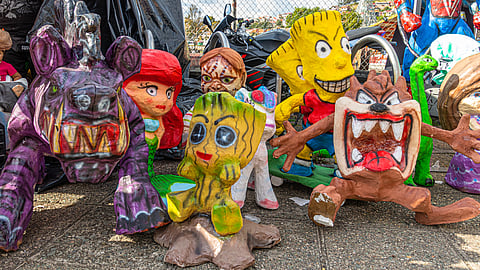
A local market in Ecuador sells Monigotes (papier-mache or rag dolls that are burnt at midnight to celebrate the New Year) Shutterstock
In Ecuador, saying goodbye to the old year is literally a burning ritual. Across towns and cities, locals build life-sized scarecrow-like effigies called Año Viejo (“Old Year”). These figures often represent everything from political figures to beloved characters, stuffed with fireworks and fireworks.
At midnight, the effigies go up in flames in a dramatic display of fire and light. For Ecuadorians, it’s a cathartic way to cast out the past year’s negativity and make space for fresh beginnings. Music, laughter, and joyous crowds turning towards the future make this one of South America’s most dynamic New Year traditions.
Advertisement
12 Grapes At Midnight: Spanish Wishes For The Year
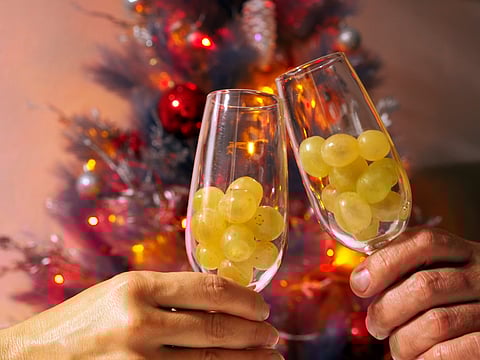
Twelve grapes in the glasses and a festive tree for the Spanish New Year tradition Shutterstock
In Spain, a long-standing New Year tradition connects food with fate. As the clock chimes twelve times at midnight on New Year’s Eve, people try to eat one grape for each chime, twelve in total. Each grape represents good luck for one month of the coming year.
It’s a light-hearted but meaningful ritual. Friends and families watch the clock together at iconic places like Puerta del Sol in Madrid or around TVs across the country, hoping that swift eating and big smiles will usher in joy, fortune, and new opportunities.
Denmark’s “Leap” Tradition: Jumping Into The New Year
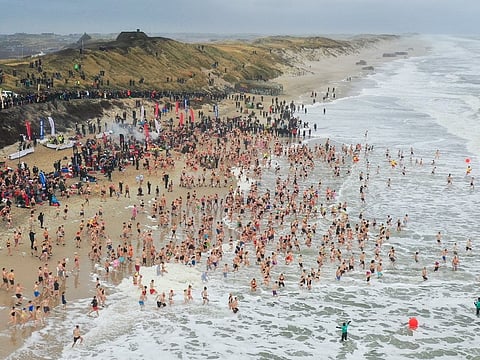
On the last day of the year in Søndervig, Danes are taking this tradition to the next level – by turning a small jump into a big, chilly splash with a plunge straight into the North Sea Instagram/govisitdenmark
Another delightful Danish custom involves literally jumping into the new year. As midnight approaches, many people in Denmark stand on chairs or sofas, preparing to leap as the clock strikes twelve. The belief is that this symbolic jump helps to leave behind bad luck and propel you enthusiastically into the year ahead.
Advertisement
It’s a moment filled with laughter, collective anticipation, and a sense of playful hope that mirrors the universal human wish for fresh starts. This physical leap often accompanies the dinner table, music, and heartfelt greetings that make New Year’s Eve feel both intimate and electric.
FAQs
1. What are some unusual New Year traditions around the world?
Unusual customs include burning effigies in India and Ecuador, smashing plates in Denmark, eating twelve grapes in Spain, and symbolic jumping rituals.
2. Why is Pappanji burned in Kerala on New Year’s Eve?
Burning the Pappanji effigy symbolises letting go of the old year’s burdens and welcoming fresh beginnings, rooted in Kerala’s colonial-era traditions.
3. What does plate smashing mean in Denmark on New Year?
In Denmark, smashing plates at friends’ doors is believed to bring good luck, friendship, and positive energy in the year ahead.
4. What is the significance of eating twelve grapes in Spain on New Year’s Eve?
Each grape eaten at midnight represents good luck for one month of the coming year, making it a popular tradition across Spain.
Advertisement
5. Why do people jump at midnight on New Year’s Eve in Denmark?
The leap symbolises leaving behind bad luck and energetically stepping into the new year with hope and optimism.

Published At: