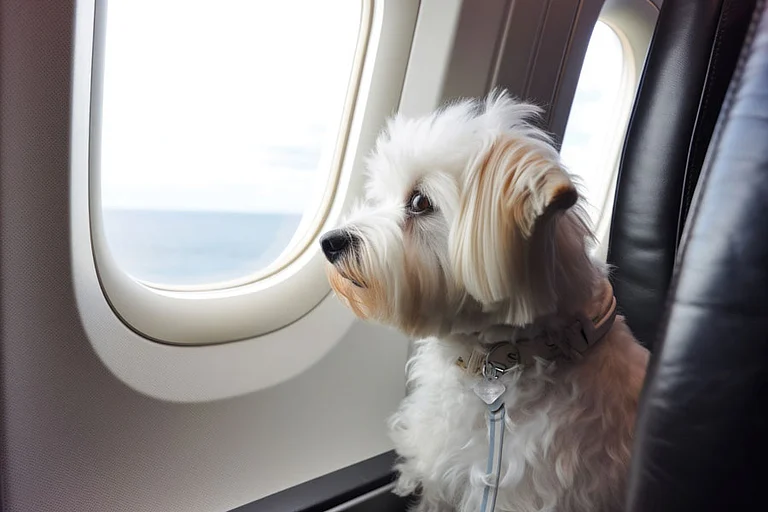


There’s a particular kind of bravery in boarding a flight with children. It involves snack strategy, sleep science, and the quiet hope that turbulence won’t coincide with an emergency. Airports, with their serpentine queues and blinking departure boards, can feel like obstacle courses designed by someone who has never travelled with a toddler. And yet, families do it every day, crossing continents, reuniting with grandparents, chasing beaches and birthdays.
The secret isn’t luck. It’s preparation layered with perspective. With the right planning, flying with children can shift from survival mode to something smoother, even joyful. Consider this your field guide to navigating the airport and the skies with calm confidence—because the holiday memories are worth every ounce of logistics.
Choose Flights Wisely
Timing is everything. Early morning departures tend to offer fewer delays and calmer terminals, which can make a noticeable difference when travelling with young children. Airports are generally less congested at dawn, and fellow passengers are often more inclined toward quiet. Aligning flight schedules with your child’s natural sleep rhythm also helps; a flight that overlaps with nap time may gift you a stretch of unexpected peace.
If you’re travelling long haul, consider routes with manageable layovers rather than tight connections that require sprinting across terminals. And when booking seats, aim for arrangements that keep children by the window—away from aisle traffic and roaming beverage carts—with an adult between them and the rest of the row.
Pack Smart & Light
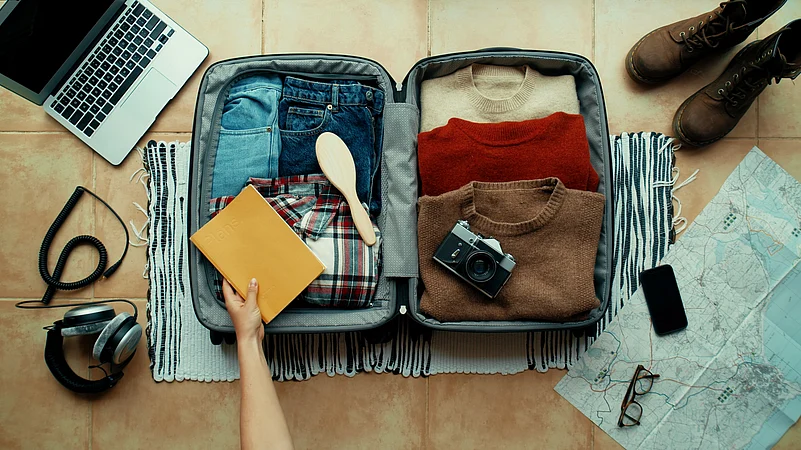

Overpacking is tempting. So is bringing the entire toy basket “just in case.” Resist both. Mobility matters more than abundance. Stick to essentials in your carry-on: snacks, wipes, a change of clothes for both parent and child, medications, and a comfort item.
Distribute weight wisely. If travelling with another adult, divide responsibilities—one manages logistics, the other manages the children. Compact strollers or lightweight travel prams simplify security checks and boarding. Before leaving home, weigh checked bags individually to avoid airport reshuffling dramas. Bright luggage tags or colourful suitcases save precious time at baggage claim. The goal is simple: fewer items, fewer variables, fewer things to misplace in the whirlwind of departure.
Prepare Them Gently
Kids usually cope better if they understand what to expect. Tell them about the steps of the trip before you go: putting bags in, going through security, securing your seatbelt, and the plane taking off. You can also use picture books or short videos about flying to turn new things into something fun to expect.
Make basic airport rules such as staying close, holding hands, and listening to what people say. Older kids can help by pulling a small bag or holding the tickets. This makes them feel thrilled and like they are in charge. Worry often comes from not knowing; getting ready changes the unknown into something they already know.
Master Sleep Strategy
Travel days disrupt routines — but sleep remains non-negotiable. Well-rested children handle overstimulation far better than tired ones. If possible, preserve regular nap windows, even if that means a stroller snooze in a bustling terminal.
On long flights, bassinets (when available) offer extra space and comfort, though they require early booking. For older toddlers, anything that encourages rest—a favourite blanket, dimmed screens, familiar lullabies—is fair game. On travel days, flexibility trumps perfection. Temporary sleep associations won’t undo long-term habits. What matters is preventing exhaustion from spiralling into mid-air meltdowns.
Ease Ear Pressure
Cabin pressure changes can be uncomfortable for little ears. The simplest solution is swallowing. Babies can nurse, bottle-feed, or use a pacifier during takeoff and descent. Older children benefit from sips of water, chewing gum, or sucking on a lollipop.
Encourage yawning or exaggerated “big lion” mouth stretches to relieve pressure. If your child has recently battled an ear infection or cold, consult a pediatrician before flying. Hydration also helps, especially during descent when discomfort peaks. Small preventive steps can spare you, and your fellow passengers, a soundtrack of tears at 30,000 feet.
Snack Like Pros
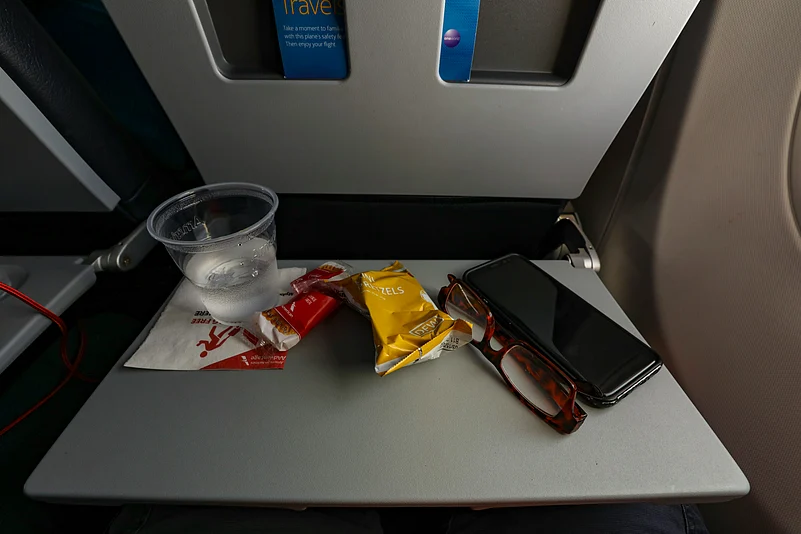
Airplane food rarely aligns with young palates. Even when special meals are pre-ordered, confirmation 48 hours before departure is wise. Carry more snacks than you think you’ll need, but choose wisely. Mess-free options like crackers, cereal rings, granola bars, cut fruit, and cheese sticks keep hunger (and boredom) at bay.
An empty reusable water bottle can be filled post-security. For toddlers, novelty matters. A surprise snack unveiled mid-flight can reset moods instantly. Remember, food is more than nourishment in the air—it’s entertainment, distraction, and sometimes negotiation currency.
Stay Calm Always
Children sense adult stress. If you remain composed during delays or turbulence, they are more likely to mirror that steadiness. Build extra time into your airport arrival to avoid rushing. If a meltdown happens—and it might—focus on your child rather than imagined judgement from strangers. Most fellow travellers understand more than you think.
Keep hygiene in mind: wipe tray tables, armrests, and seatbelt buckles. Ensure children wear shoes when visiting lavatories. And consider travel insurance indispensable, especially when crossing borders. Illness abroad is inconvenient; being unprepared is worse.
Above all, remember this: a flight with children is a chapter, not the whole book. There will be moments of chaos—a spilled juice, a lost teddy, an unexpected nap refusal. But there will also be wonder in their eyes as the plane lifts off, tiny fingers tracing cloud shapes outside the window.
Flying with children may not resemble the serene travel days of your pre-parent era. It is louder, slower, and undeniably more complicated. Yet it carries something richer—the shared thrill of discovery. The airport becomes a classroom. The aircraft, a portal. And you, unexpectedly, become the calm captain steering your crew toward new horizons.
FAQs
1. What is the best time of day to fly with young children?
Early morning flights are usually less crowded and less prone to delays, making them ideal for families.
2. Should children have their own seat on a plane?
While lap travel is allowed for infants under two, a separate seat with an approved restraint is safer and more comfortable.
3. How can I prevent ear pain during takeoff and landing?
Encourage swallowing — nursing, bottle-feeding, water, gum, or a lollipop can help ease pressure changes.
4. What essentials should go in a child’s carry-on?
Snacks, wipes, a change of clothes, comfort items, medications, and simple entertainment are must-haves.
5. How can I manage my child’s routine across time zones?
Adjust gradually and return to your regular sleep schedule as soon as possible to help them adapt faster.