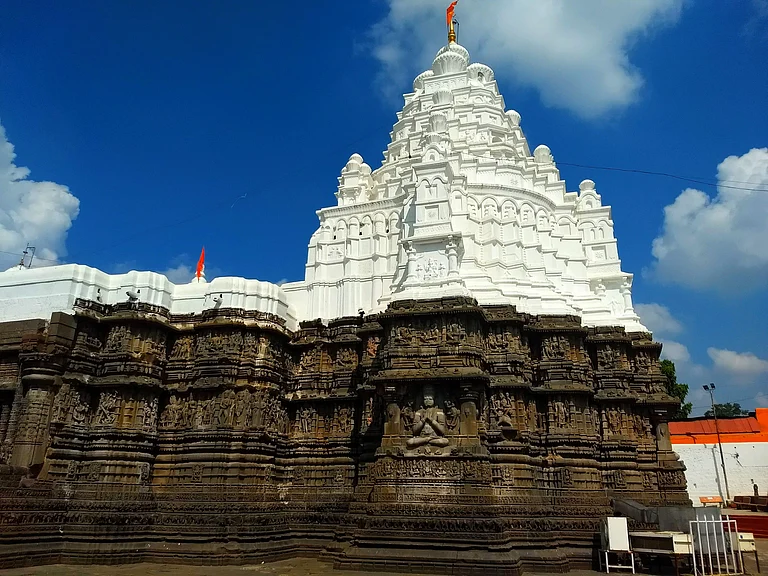
The spiritual geography of Maharashtra provides a multitude of meanings and experiences for people to connect with themselves and understand who they are as individuals and as a whole. The abundance of rivers flowing from tree-covered mountains, temples that provide a place of connection for people who would otherwise have no place to worship, and songs written centuries ago that are still performed today are all examples of how spirituality has transformed lives throughout history. Walking through these sacred sites is an example of how spirituality has shaped the topography, community, and culture of Maharashtra over the years. The pilgrimage route to Pandharpur (shepherding route) and Shiva’s temples (the 12 Jyotirlingas) represent a living tradition that continues to evolve and remain alive today.
Spiritual Circuits Of Maharashtra: A Journey Through Faith, Topography, And Living Traditions
Travel through Maharashtra where faith lives in rivers, temples and long pilgrim walks. From Shiva’s Jyotirlingas to the songs of the Wari, these spiritual circuits reveal belief as a part of everyday life

The Jyotirlinga Circuit: Where Shiva Took Form
Maharashtra is home to five of the twelve Jyotirlingas of Lord Shiva, making it one of the most significant regions for Shaivite pilgrimage in India. Spread across forests, plateaus and historic towns, each temple carries its own legend and character, shaped as much by geography as by belief.
Trimbakeshwar, Nashik
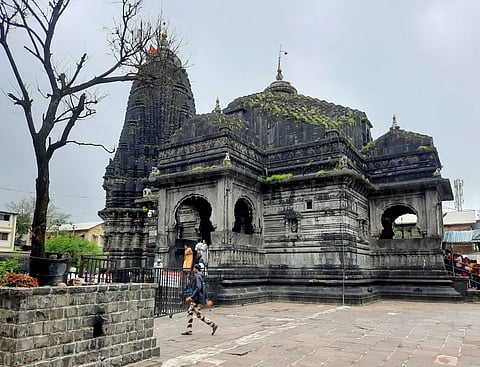
Set at the base of the Brahmagiri range, Trimbakeshwar is among the most symbolically rich Jyotirlingas. Its Shiva lingam is unique, representing Brahma, Vishnu, and Mahesh in a single form. The temple is also revered as the source of the Godavari, a river central to spiritual life across peninsular India.
Built from dark basalt, the temple reflects classical Nagara architecture, with finely carved pillars and a compact sanctum that draws the focus inward. Trimbakeshwar has long been associated with ancestral rites and Vedic rituals, attracting families from across the country.
October to February offers the most comfortable weather, though Mahashivratri brings an intense surge of devotion. Located about 30 kilometres from Nashik, the temple is easily accessible by road, rail and air via the city. Visitors often pair the pilgrimage with walks along the Godavari ghats or a visit to Panchavati, linked to episodes from the Ramayana.
Bhimashankar, Pune District

Bhimashankar lies deep within the Sahyadri range, where temple and forest feel inseparable. Surrounded by dense woodland and mist-covered hills, the shrine stands inside a protected wildlife sanctuary. Legend says Shiva appeared here to defeat the demon Tripurasura, giving the place its name.
The temple’s design is modest, shaped by centuries of local craftsmanship rather than grandeur. Stone carvings blend naturally into the surroundings, reinforcing the sense of harmony between faith and nature.
The best months to visit are October to March. While the monsoon brings lush greenery, access can be difficult. Bhimashankar is about 120 kilometres from Pune and is best reached by road. Accommodation is limited to forest guest houses and simple lodges, with basic vegetarian meals. Many visitors also explore nearby trails or seek out the Gupt Bhimashankar shrine hidden deeper in the forest.
Grishneshwar, Aurangabad
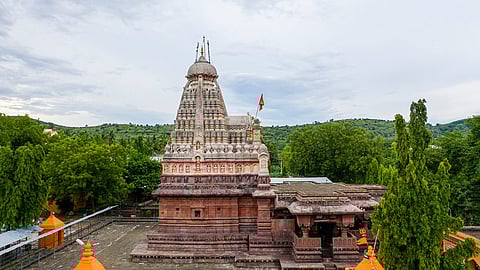
Close to the Ellora Caves, Grishneshwar brings together spiritual devotion and architectural heritage. As the final Jyotirlinga in the traditional sequence, it holds special importance for pilgrims completing the circuit.
The temple displays refined stonework influenced by Nagara and Hemadpanthi styles. Its walls tell stories of destruction and renewal, reflecting the resilience of worship through changing political and cultural eras.
Winter is the most pleasant time to visit. Aurangabad is well connected by road, rail and air, and offers a wide range of accommodation and dining options. Many travellers combine a visit to Grishneshwar with Ellora and Daulatabad Fort, turning the journey into a broader exploration of faith and history.
Aundha Nagnath, Hingoli
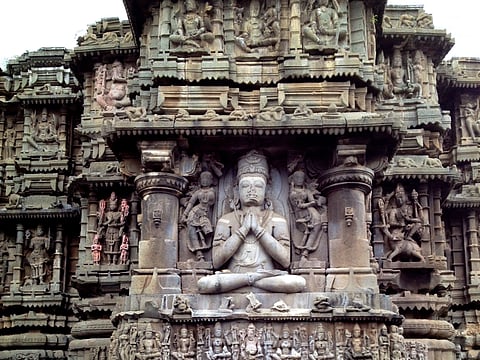
Aundha Nagnath is often considered one of the oldest Jyotirlingas, carrying a deeply rooted sense of antiquity. Local traditions link the temple to the Pandavas, adding layers of myth to its identity. The structure reflects early stone temple traditions shaped by Yadava and later Maratha influences. Worship here remains closely tied to regional customs, without the scale of mass pilgrimage seen elsewhere.
The cooler months from October to February are ideal for visiting. Hingoli district is accessible by road and offers basic accommodation and food. The understated setting encourages reflection, allowing devotion to remain central to the experience.
Parli Vaijnath, Beed
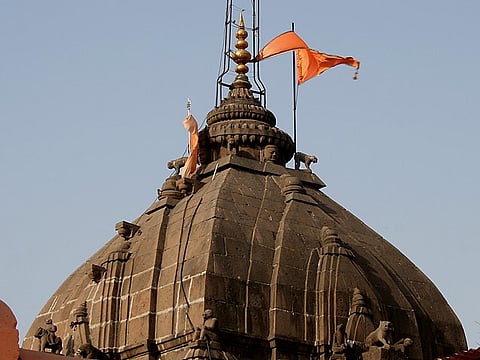
At Parli, Shiva is revered as Vaidyanath, the divine healer. Devotees arrive seeking relief from physical ailments and emotional burdens, drawn by the temple’s long association with healing. Built in the Hemadpanthi style, the temple is marked by sturdy stone construction and restrained ornamentation. Its enduring presence speaks to centuries of uninterrupted worship.
Winter is the most suitable season to visit. Parli is connected by rail and road, with pilgrim lodges and vegetarian meals readily available. For many, the journey here is less about completing a circuit and more about quiet personal prayer.
The Ashtavinayak Circuit: Walking With Ganesha
The Ashtavinayak Yatra connects eight self-manifested forms of Lord Ganesha across western Maharashtra. Unlike large pilgrimage centres, these temples are woven into village life, where worship blends naturally with daily routines.
Each shrine, from Morgaon and Siddhatek to Lenyadri and Ranjangaon, carries a distinct story of how Ganesha removed obstacles for gods, sages or devotees. Architecturally, the temples range from cave sanctuaries to enclosed courtyards, reflecting regional styles and materials.
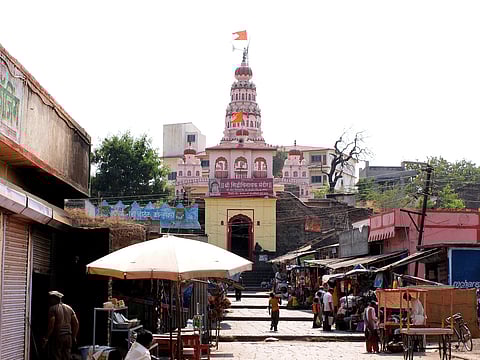
Pilgrims traditionally begin and end the journey at Morgaon. While the circuit can be completed at any time of year, winter offers the most comfortable travel. Ganesh Chaturthi brings heightened energy and celebration, along with larger crowds.
Road travel is the most practical way to complete the yatra. Accommodation includes pilgrim lodges, small hotels and guesthouses, while meals are largely vegetarian and home-style. Many travellers also explore nearby sites such as Jejuri or Pune’s historic forts, adding cultural context to the journey.
The Shakti Circuit: Power And Devotion At Saptashrungi
Rising from seven hills near Nashik, the Saptashrungi Devi temple is one of Maharashtra’s most revered Shakti Peethas. Belief holds that a part of Goddess Sati fell here, imbuing the landscape with divine feminine energy.
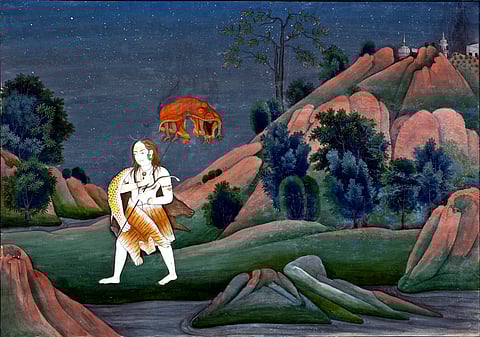
The shrine is built into the hillside and houses a striking idol of the goddess, armed and radiant, symbolising protection and strength. Pilgrims reach the temple by climbing a long flight of steps or using the ropeway that winds through the hills.
Navratri draws large numbers of devotees, while winter offers a more measured pace. The temple is accessible from Nashik and Vani by road. Many visitors stay in Nashik, which offers a wide range of accommodation and vegetarian food. Nearby sites such as Panchavati and the Anjneri hills, believed to be Hanuman’s birthplace, deepen the spiritual journey.
The Wari And Pandharpur Circuit: Devotion On Foot
Pandharpur lies at the heart of Maharashtra’s bhakti tradition. The Vitthoba temple, dedicated to a form of Krishna, anchors a movement built on humility, equality and devotion rather than ritual hierarchy.
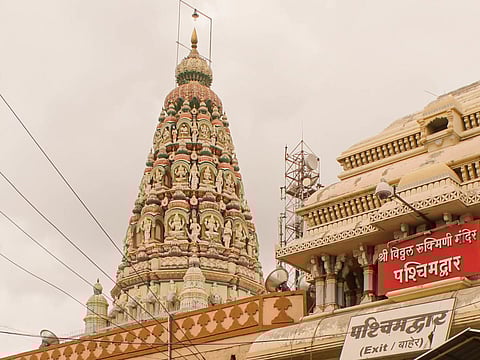
The temple reflects centuries of architectural additions, influenced by Deccan and Hoysala styles. Yet it is the annual Wari pilgrimage that defines Pandharpur’s spirit. Every year, lakhs of Warkaris walk from places like Dehu and Alandi, singing abhangs composed by saints such as Tukaram and Dnyaneshwar.
Ashadi and Kartiki Ekadashi mark the most important pilgrimage periods, when the town fills with song, prayer and shared meals. Pandharpur is connected by road and rail, with Solapur as the nearest major hub. Accommodation ranges from dharamshalas to small hotels, and local eateries serve simple, nourishing food. For many pilgrims, bathing in the Chandrabhaga River is an essential act of devotion.
Beyond Temples: Saints, Caves, And Living Faith
Maharashtra’s spiritual identity reaches beyond formal circuits. Shirdi, associated with Sai Baba, draws millions seeking guidance and comfort across faiths. The Buddhist caves of Ajanta and Ellora show how spirituality once took shape through art, meditation and monastic life. Meanwhile, the paths walked by Warkari saints remain active routes of devotion even today.
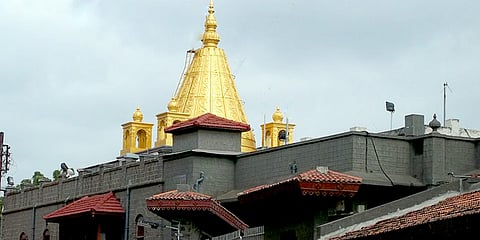
Travelling Through Maharashtra’s Spiritual Landscape
October to February is the most comfortable period for exploring these circuits. Festivals bring extraordinary energy but also heavy crowds, making advance planning important. Maharashtra’s extensive road network supports multi-destination journeys, while trains connect most major towns. Food along these routes is largely vegetarian, shaped by temple traditions and regional customs.
FAQs
1. What are the major spiritual circuits in Maharashtra?
Maharashtra’s key spiritual circuits include the Jyotirlinga circuit of Shiva temples, the Ashtavinayak yatra dedicated to Ganesha, the Shakti circuit centred on Saptashrungi, and the Wari pilgrimage to Pandharpur.
2. How many Jyotirlingas are located in Maharashtra?
Five of the twelve Jyotirlingas of Lord Shiva are located in Maharashtra: Trimbakeshwar, Bhimashankar, Grishneshwar, Aundha Nagnath and Parli Vaijnath.
3. What is the Wari pilgrimage and why is it important?
The Wari is an annual devotional walk to Pandharpur undertaken by Warkaris, who sing abhangs and carry the padukas of saints like Tukaram and Dnyaneshwar, embodying Maharashtra’s bhakti tradition.
4. What is the Ashtavinayak Yatra?
The Ashtavinayak Yatra connects eight sacred Ganesha temples across western Maharashtra, traditionally beginning and ending at Morgaon, and reflects devotion embedded in village life.
5. When is the best time to explore Maharashtra’s spiritual circuits?
October to February offers the most comfortable weather. Festivals such as Mahashivratri, Ganesh Chaturthi, Navratri and Ashadi Ekadashi bring heightened devotion along with large crowds.