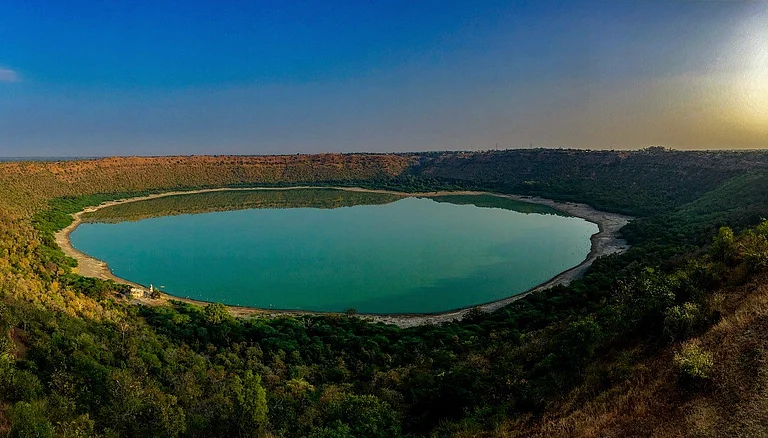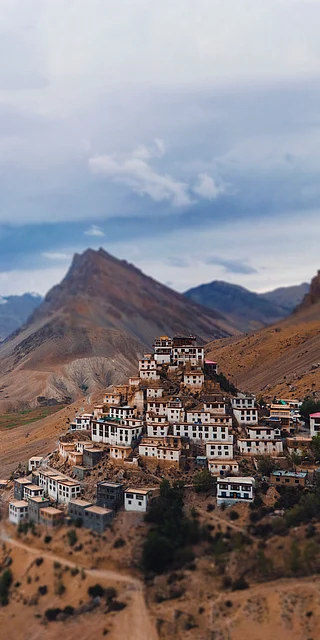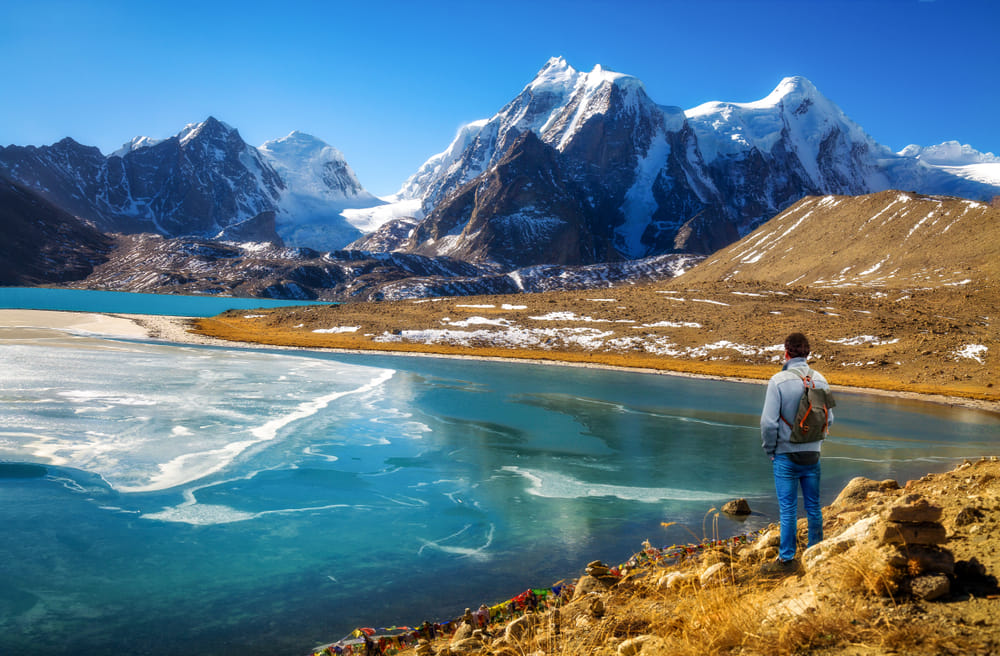
If you are planning a trip in April and want to avoid crowded hill stations and over-touristed beaches, India has plenty of lesser-known destinations that reveal the country at its most beautiful. Bright red rhododendrons start blooming against clear skies, wildlife parks become lively as animals gather around water sources, and several coastal destinations remain warm yet peaceful before the summer rush.
Best Hill Stations To Get Away From The April Warm
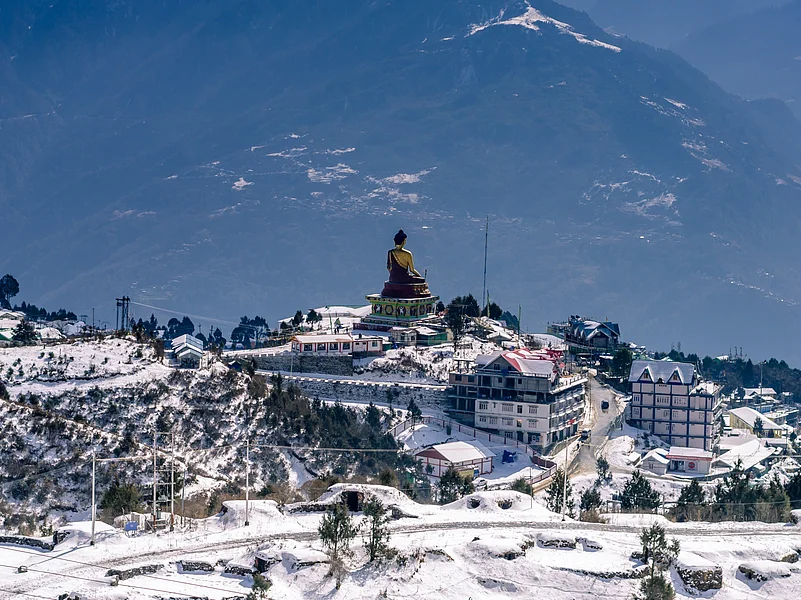

Tawang, Arunachal Pradesh
Tawang is a splendidly remote, majestic area located high in the eastern Himalayas. Winter is gradually losing its hold on the landscape by April. With snow melting and an explosion of rhododendron blooms covering the surrounding hills, clearer skies provide visitors with breathtaking views of the mountains. Your journey to Tawang cannot be overlooked as you traverse the Sela Pass at high elevation, where frozen lakes and vast views of the Himalayas reach out to your left and your right. Tawang Monastery, the largest in India and located at the edge of the valley, will capture your attention immediately upon arrival. In addition, with the proper permit, visitors to Tawang will have the option to take a scenic drive to Bumla Pass at the India/China border, including a stop at the spectacular Madhuri Lake along the way
Kalpa, Himachal Pradesh
Kalpa, a small Himalayan village in the Kinnaur region, has an easy pace of life. The magnificent views of the Kinnaur Kailash range, dominated by snow-capped mountains, are one of the things that make it such a wonderful place. With the arrival of spring, when the apple blooms fill the valley, April is an especially beautiful time to be in Kalpa. While there, you can walk around quiet village streets, visit Narayan Nagini Temple (a historical site), and make drives through local valleys like Sangla Valley and Chitkul, where there are amazing Alpine landscapes, beautiful rivers, and traditional wooden houses.
Yuksom, Sikkim
Yuksom is a peaceful mountain town that once served as the first capital of Sikkim. Today, it is best known as the starting point for several trekking routes in the Himalayas. In April, the forests around the town burst into colour as rhododendrons bloom along the hillsides, and the cool weather makes outdoor exploration particularly pleasant. You can visit the historic Dubdi Monastery, one of the oldest monasteries in the state, or wander along forest trails that lead to quiet viewpoints and waterfalls. Many trekkers also use Yuksom as the base for the famous Goecha La Trek, which offers spectacular views of Kanchenjunga.
Ziro Valley, Arunachal Pradesh
Ziro Valley is quite different from most places in the Himalayas. Instead of towering mountains, it has wide open spaces of rice paddies, surrounded by rolling hills and tall pine trees. Living here is a tribe called the Apatani, who have a unique culture with a strong emphasis on sustainable agriculture. You can now rent bicycles to ride into nearby villages, cross wooden bridges, and see the vast greenery with your own eyes. The average temperature in April should be mild, with abundant green grass before the monsoon rains begin.
Chopta, Uttarakhand
Chopta is a small Himalayan town with trees and tall snow-covered peaks. As spring approaches in April, the clear blue sky will allow you to get a fantastic view of the Chaukhamba Peaks. The best part of the trip, to most people, is the trek to the Tungnath Temple, one of the highest Shiva Temples in the world. The trek is not long to reach the temple; however, it does have fantastic views because the trail passes through thick forests and lush green alpine meadows as you make your way up to the temple.
Dzukou Valley, Manipur-Nagaland
Dzukou Valley is distinguished by its undulating, green hills, with wide-open areas that give the impression of nature's waves rolling across the landscape. The journey to the valley also involves a short, steep trek from the base village, adding an extra adventure on the way. Once you arrive in Dzukou Valley, you are greeted with lush green fields, gentle streams, and stunning views of the surrounding mountain ranges. Known as the "Valley of Flowers of the North-East", the destination is ideal for an April visit.
Nubra Valley, Ladakh
In Ladakh, Nubra Valley is arguably one of the most unique landscapes. Nubra Valley can be reached by way of the Khardung La Pass, one of the highest motorable passes globally. Nubra Valley features cold desert dunes, snow-capped peaks, and green villages along the banks of the Shyok River. One of the many things to do in Nubra Valley is to visit the Diskit Monastery with its large statue of Maitreya Buddha overlooking the valley. Dunr is where you will find the Hunder Sand Dune, which is unique in that two-humped Bactrian camels roam freely across the desert landscape.
Best Beaches And Islands To Visit In April

Agatti Island, Lakshadweep
Agatti Island, one of the islands located in Lakshadweep, is an idyllic island, with its gorgeous beaches made of fine white sand, tranquil aquamarine oceans and multiple coral reef formations. It makes Agatti Island a popular destination for snorkellers and scuba divers, as the crystal-clear water provides excellent underwater visibility of 50 meters or more during April and May. You can spend part of your day swimming, kayaking the lagoons, discovering coral reefs, and enjoying stunning sunsets over the Arabian Sea.
Gokarna, Karnataka
Located in southern India, Gokarna is a small beach town with numerous temples and a casual beach culture. Opt for Gokarna for a more laid-back alternative to Goa. The best way to enjoy the natural beauty of Gokarna is to hike along the coastline from Kudle Beach, Om Beach, Half Moon Beach, and Paradise Beach. The hike will take you past water formations and forested areas of great beauty, and there are numerous opportunities to swim or relax in beachside cafés.
Neil Island, Andaman and Nicobar Islands
Neil Island has a slower pace than Havelock Island. The charm of Neil Island comes from its quiet beaches, small towns, and broad coastal views. The island is famous for its coral reefs, which attract people to snorkelling. However, visitors also enjoy Laxmanpur Beach for watching the sunset and for viewing the renowned Natural Bridge, formed by water erosion. Renting a bike allows you to effectively explore the island with your family and/or friends.
Marari Beach, Kerala
Marari Beach makes for an ideal beach getaway from the busy tourism centres of Kerala. There are several coconut trees lining the beach, as well as multiple small fishing villages located along the coastlines of Marari Beach. Walk along the beach, watch the fishermen bringing their day's catch in, and ride your bikes through the nearby village roads to get a better sense of life in this region. Other options to learn about local culture and/or participate in environmentally friendly cooking classes are available at beach resorts, many of which have participated in eco-tourism.
Best National Parks To Visit In April
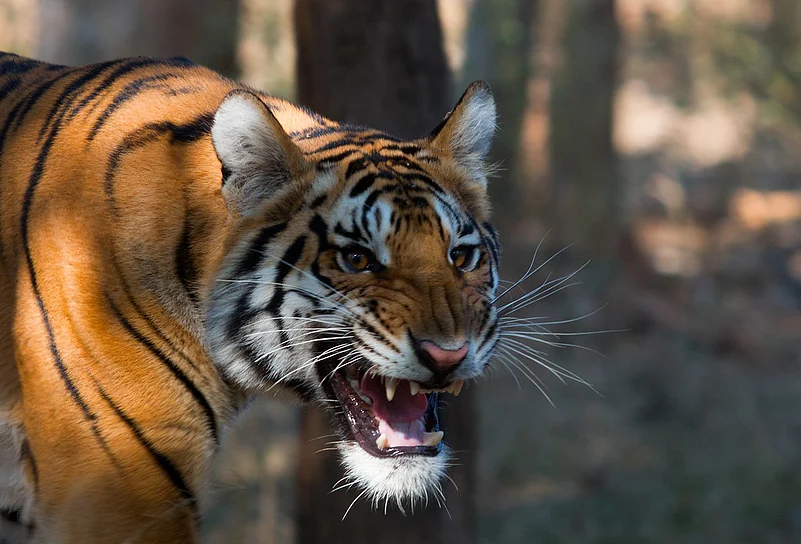
Satpura National Park, Madhya Pradesh
Across multiple recreational activities such as canoeing, hiking, and jeep driving, Satpura National Park presents a unique opportunity for adventure enthusiasts and has one of the most diverse wildlife ecosystems available today. Use the safari facilities provided by the national park to view wildlife, including crocodiles and birds. You are likely to find success on one or more of the safari trips during April, as at this time of year, many animals gather around the waterhole and are easily seen.
Kanha National Park, Madhya Pradesh
Kanha National Park is home to some of the world's most diverse plants and animals. It consists of vast areas of sal forest with bamboo scrub, open grasslands used for grazing by herbivores and carnivores, and an enormous number of bodies of water that contribute to the total water surface area on the planet. Most people will see Bengal tigers, barasingha deer, wild dogs and leopards throughout their safari experience. Many tourists also visit Bamni Dadar, the sunset viewpoint in Kanha National Park, to enjoy a panoramic view of the park in the evening.
Pench National Park, Madhya Pradesh
Pench National Park features a variety of ecosystems, including teak forests, open grasslands, and river banks, which are favourable to a number of types of wildlife. The landscapes represented here are well-known for being the inspiration behind “The Jungle Book” and are very popular during safari tours, where you can view tigers, wild dogs, deer and many other species of birds. Visit Pench for a quieter, more immersive wildlife experience.
Namdapha National Park, Arunachal Pradesh
Namdapha National Park is one of India's most remote and biodiverse national parks, located along the southeastern border with Myanmar. The dense tropical forests that blanket the mountains provide habitat for rare animals such as the red panda, clouded leopard, hornbill, and gibbon. Trekking through Namdapha will take you deeper into the forests than in many other parks. April is a good month to visit, as the weather is generally pleasant prior to being affected by the heavy rains that accompany the southwest monsoon season.
Best Desert Landscape To Visit In April
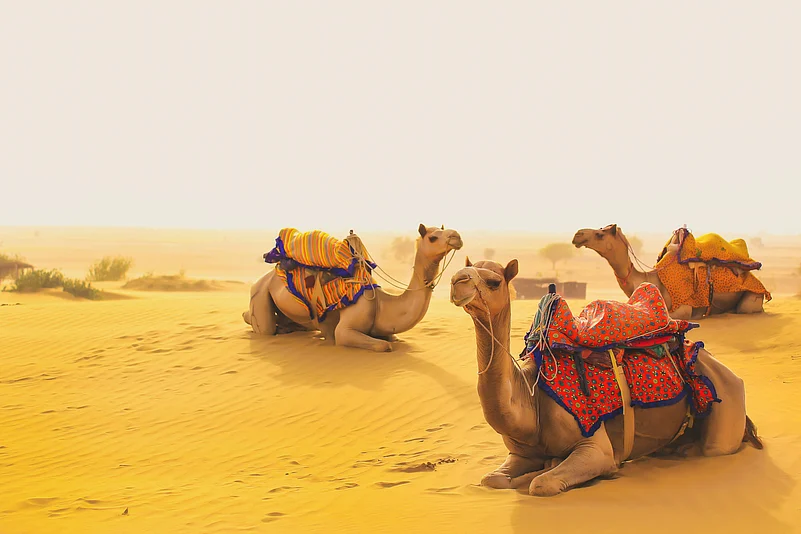
Khuri
Those on a tight budget or wanting to experience the sand desert during the warmer months (in order to avoid crowds) should visit the village of Khuri. Khuri is a small desert village located just outside of Jaisalmer that provides a much calmer alternative to the busy dune area at Sam. The rolling sand dunes and traditional desert landscape create a beautiful backdrop for the village.
While in the village, you can stay in a traditional mud house, ride camels across the sand dunes, and enjoy sunsets over the desert horizon. Technically, April is considered the "off-season" because it is when temperatures start to increase; however, the village remains peaceful and uncrowded.
Best Cultural And Heritage Destinations To Visit In April
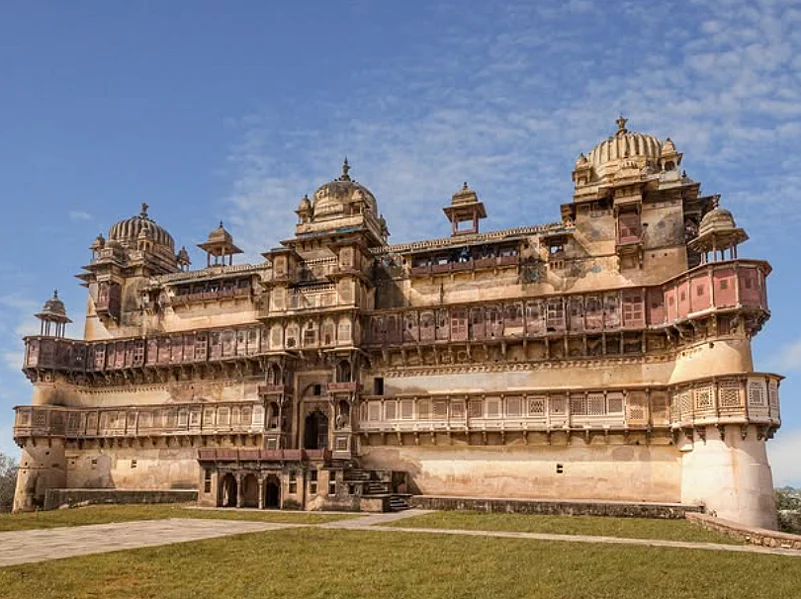
Orchha
The historic town of Orchha has numerous grand palaces, temples, and cenotaphs situated on the banks of the Betwa River. The Orchha Fort complex dominates the skyline and has a beautiful view from its terraces. Wander through palace halls, view temple architecture and admire the beauty of riverside cenotaphs, a few of which are quite stunning at sunset. Orchha remains much quieter than many of the more well-known heritage locations.
Mandawa
Mandawa is in the Shekhawati region of Rajasthan and is home to a variety of beautiful havelis painted in vibrant colours. Walking around Mandawa is like walking through a gallery because of the artwork adorning the walls of many of the havelis, which display mythology, depictions of royal life and scenes from everyday life. Many of the havelis have been restored into hotels that welcome travellers who come to explore Mandawa.
Majuli
Majuli is the largest river island in the world and is located on the Brahmaputra River in the state of Assam, India. Majuli is known for its Vaishnavite monasteries, known as satras, and its well-established traditions and culture. Visit the satras, see craftsmen create traditional masks for religious ceremonies, and ride bicycles through the picturesque villages and rice paddies along the banks of the Brahmaputra River.
Chettinad
Over a hundred years ago, Chettinad gained a good reputation for being home to grand houses made by rich merchants. These houses were characterised by large open areas, elaborate wooden carvings, and the use of materials from all over Asia and Europe. Chettinad architecture offers visitors a glimpse into an interesting time in the architectural history of the area. Try Chettinad cuisine for its strong use of spices and unique flavours.
FAQs
1. Which are the best places to visit in India in April?
Some of the best destinations include Tawang, Nubra Valley, Agatti Island and wildlife parks like Satpura National Park.
2. Is April a good time to travel in India?
Yes. April is a great time to explore Himalayan regions, wildlife reserves and islands before peak summer crowds arrive.
3. Which national parks are best to visit in India in April?
Parks such as Satpura National Park, Kanha National Park and Pench National Park offer excellent wildlife sightings in April.
4. Which beaches are ideal for travel in India in April?
Destinations such as Agatti Island, Gokarna and Neil Island offer warm weather and relatively fewer crowds.
5. What are some offbeat places to visit in India in April?
Hidden destinations like Dzukou Valley, Majuli and Orchha provide unique landscapes and cultural experiences.