When I think about hotels that truly succeed, I do not begin with how they look. I begin with how they function.
Hotel Design That Works: Performance Over Pure Luxury
Why successful hotels rely on intelligent planning, operational efficiency, and context-driven design rather than surface-level luxury

Advertisement
Over two decades of designing hospitality projects across India and overseas, I have learned a fundamental truth: successful hotel design is not about surface-level luxury. It is about performance, operational efficiency, and long-term viability. A hotel may impress on opening day, but its real test begins once daily operations take over.
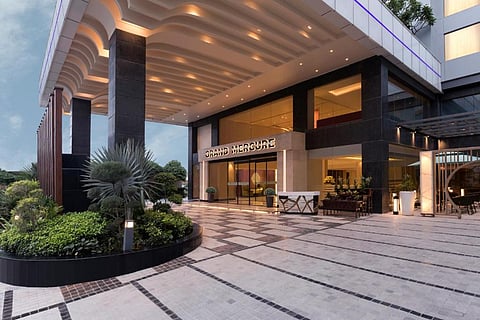
Seamless arrival, efficient movement Designworks Asia
Designing For Performance
Hotel performance is determined long before construction begins. It starts at the planning table.
Many properties struggle not because of budget limitations or inferior materials, but because of flawed functional planning. Hotel design is not confined to guest rooms, lobbies, or restaurants. It is equally, if not more, about the spaces guests never see: kitchens, service corridors, storage areas, staff circulation routes, and back-of-house operations.
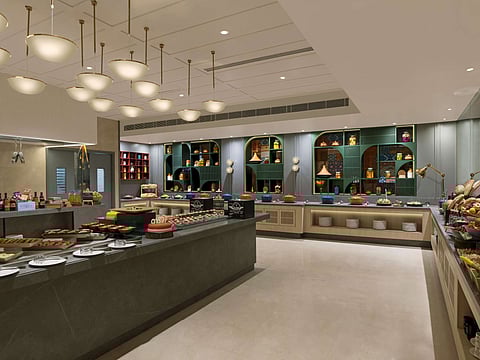
Service efficiency behind every meal Designworks Asia
When these areas are poorly planned or inefficiently connected, the hotel pays the price every day in higher manpower requirements, operational delays, and escalating costs.
Even a single planning oversight can increase long-term expenditure. A poorly located kitchen or redundant service area may seem minor during design, but over time it adds measurable strain to staffing, maintenance, and workflow. Thoughtful planning ensures logical staff movement, reduces fatigue, and directly enhances service delivery.
Advertisement
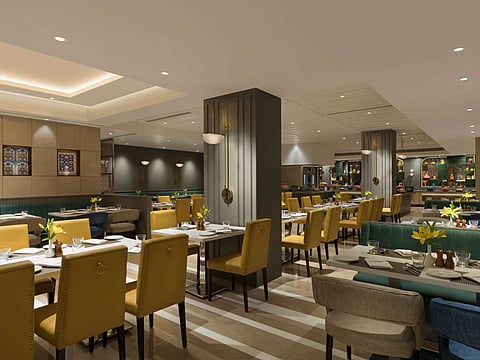
Balanced layouts enhance guest flow Designworks Asia
Performance-driven design also embraces clarity. Overly complicated layouts and systems rarely add value; they often create confusion. A well-designed hotel operates quietly in the background, allowing service and experience to take centre stage.
Building Smarter Hotels
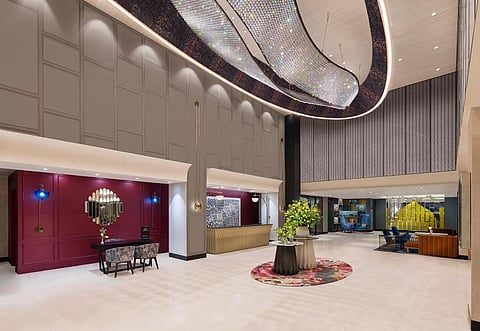
Lobby drama with operational order Designworks Asia
Every hotel must respond to its location and operational ecosystem. A metropolitan property may support advanced automation due to readily available technical expertise. In contrast, a hotel in a smaller city or remote setting may struggle with overly complex systems if maintenance support is limited. When critical systems fail and repairs are delayed, guest experience suffers.
True intelligence in hotel design lies in simplicity and usability. Lighting controls, air conditioning, and room systems should feel intuitive. After a long journey, no guest should struggle to operate basic functions. Similarly, operational teams should not be dependent on constant technical intervention to run daily systems.
Another critical discipline in hospitality projects is freezing planning at the appropriate stage. Hotel developments involve multiple consultants for architecture, interiors, MEP, and landscape and structural teams, and delayed decision-making can have cascading consequences. Late-stage changes often lead to cost overruns, timeline disruptions, and on-site confusion.
Advertisement
Building smarter also means designing with context in mind. Climate-responsive planning, locally sourced materials, and regional design sensitivity not only enhance authenticity but also reduce long-term maintenance challenges.
Cost-Conscious, Not Cost-Cutting
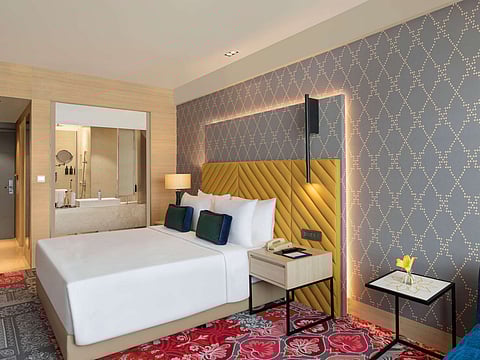
Clarity in room-to-bath circulation Designworks Asia
Cost-conscious design is often misunderstood. It is not about reducing quality, but about allocating resources intelligently.
Nearly 25 to 30 per cent of a hotel’s life-cycle cost is determined during the planning phase. Poor early decisions can permanently inflate operational expenses. Attempting to compensate later by trimming interior budgets or compromising on core systems rarely yields meaningful savings.
Structural systems, air conditioning infrastructure, and essential services are long-term investments. These are not easily replaceable and should never be compromised.
Material selection plays a decisive role in durability and maintenance. Trend-driven finishes may deliver initial visual impact but often deteriorate within a few years. In contrast, materials such as Indian marble, solid wood, and time-tested durable finishes age gracefully when maintained properly.
Advertisement
In my experience, inappropriate material choices can increase annual maintenance costs by at least five per cent. Established hotel brands mitigate this over time through standardised specifications and operational learnings.
Forward-thinking design also anticipates refurbishment cycles. Most hotels undergo upgrades every seven to ten years. Designing elements that can be replaced efficiently, such as modular finishes, wall treatments, or soft furnishings, makes future renovations significantly smoother and more economical.
Guest Expectations In 2026
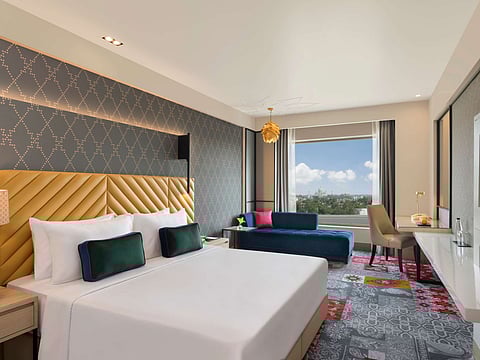
Effortless comfort through smart planning Designworks Asia
Luxury in 2026 is defined less by excess and more by effortlessness.
Today’s guests value seamless arrivals, swift check-ins, and minimal friction. True luxury does not involve waiting at a reception desk; it lies in being welcomed and settled with ease, supported by technology that operates discreetly in the background.
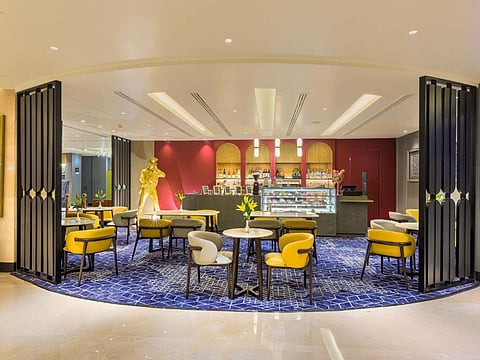
Dining planned for smooth operations Designworks Asia
Sustainability is no longer optional. While achieving net-zero operations remains complex, particularly in dense urban environments, guests increasingly appreciate properties that demonstrate environmental responsibility through local sourcing, waste reduction, and climate-sensitive planning. Sustainability must be embedded from day one; it cannot be retrofitted as a marketing label.
Advertisement
Equally important is authenticity. Guests are drawn to spaces that feel rooted in their location rather than generic interpretations of luxury. Calm, well-proportioned environments often leave a deeper and more lasting impression than highly stylised interiors.
The hotels of the future will not succeed by trying to impress loudly. They will succeed by performing quietly, by operating efficiently, ageing gracefully, and delivering comfort from arrival to departure.
The author is principal architect and founder of Studio B Architects, known for hospitality landmarks such as Khyber Himalayan Resort & Spa and Grand Mercure Agra.

Published At:
Tags