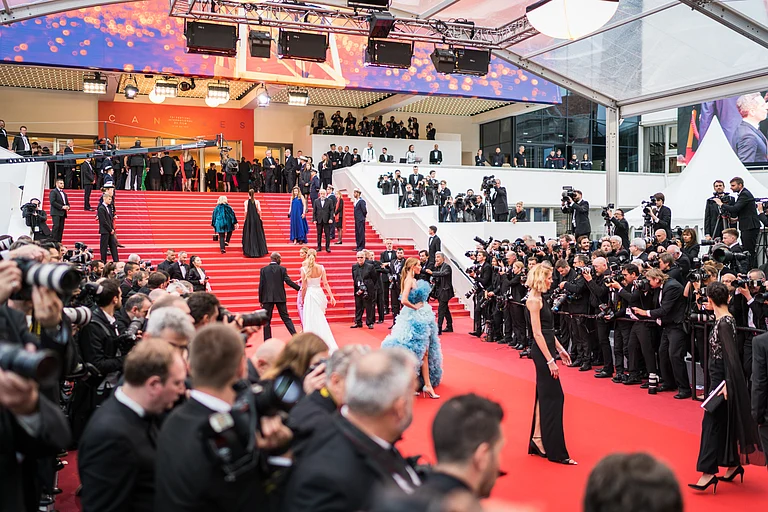
Each February, Berlin trades its winter greys for camera flashes. And in 2026, the Berlin International Film Festival—fondly known as the Berlinale—is back for its 76th edition, running from February 12 to 22. Since its founding in 1951, the festival has been one of the world’s most politically engaged and artistically daring cinematic platforms, standing shoulder-to-shoulder with Cannes and Venice while retaining its distinctly Berlin edge.
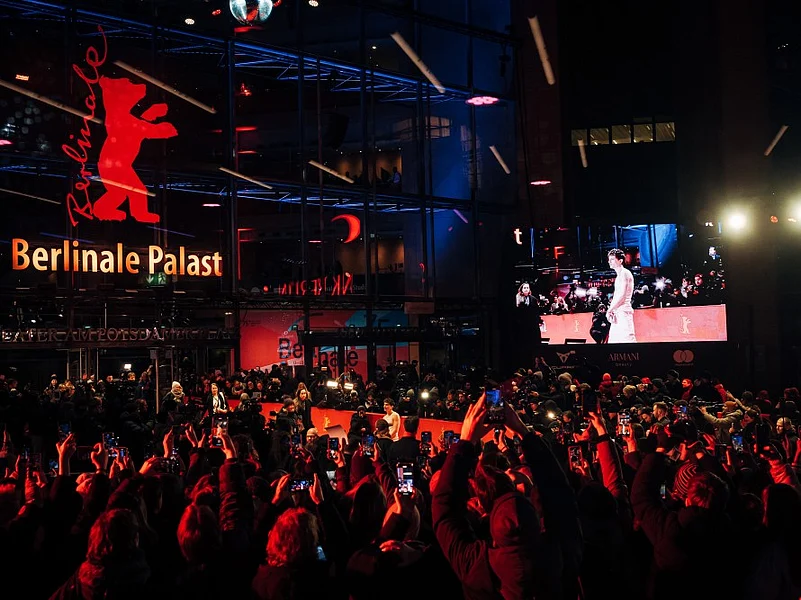
At the heart of it all is the Golden Bear, the festival’s top honour, alongside the Silver Bears that celebrate individual artistic achievements. Screenings unfold across 15 venues, anchored by the Berlinale Palast at Potsdamer Platz. Beyond the Competition lineup, sections such as Panorama and Forum spotlight bold independent voices and socially charged storytelling. Expect world premieres, impassioned Q&As, industry debates, and a city-wide buzz that spills into cafés, hotel lobbies, and late-night currywurst counters.
For travellers who love cinema—and cities with character—Berlinale is less an event and more an atmosphere.
Where To Stay During Berlinale
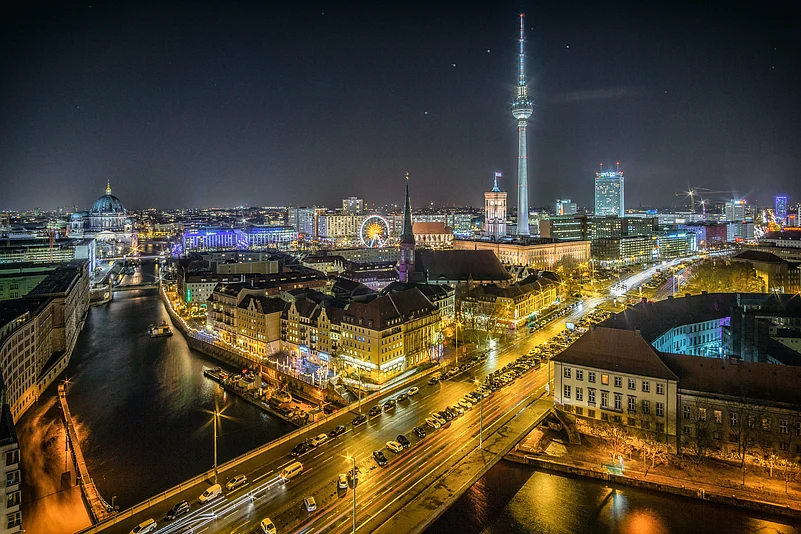

Location is everything during festival week, especially when you’re hopping between screenings in sub-zero temperatures. If you want to be within walking distance of the Berlinale Palast, The Ritz-Carlton Berlin delivers old-school glamour with Art Deco flourishes, marble staircases, and a Curtain Club martini trolley that feels straight out of a film noir. Equally polished, the Waldorf Astoria Berlin rises above the city in the Zoofenster tower; its upper-floor suites offer sweeping views (and privacy for those hoping to avoid paparazzi energy).
For something more design-forward, Château Royal in Mitte pairs contemporary art with a playful backstory—it was once an East German state security building, now reimagined as a chic urban retreat. Soho House Berlin, set inside a restored Bauhaus-era building, is ideal for creatives, complete with rooftop pool and screening room. Meanwhile, Hotel Wilmina, a former courthouse and women’s prison turned minimalist sanctuary in Charlottenburg, offers a quieter base away from Potsdamer Platz while still within easy reach of the action.
Where To Eat Between Screenings
Berlin rewards culinary curiosity, and during Berlinale, reservations become as competitive as premiere tickets. For Michelin-starred theatre on a plate, Tim Raue near Checkpoint Charlie delivers Asian-inspired fine dining with Berlin grit. If you prefer something unconventional, CODA in Neukölln serves a multi-course dessert tasting menu that redefines sweet and savoury boundaries.
In Wedding, Julius offers micro-seasonal small plates with Japanese nuance, while UUU presents an intimate Chinese-inspired tasting menu paired with tea. For hyper-local dining, Nobelhart & Schmutzig champions Berlin-region ingredients exclusively—no lemons, no chocolate, no imports.
Craving comfort? Stoke in Kreuzberg focuses on binchotan-grilled yakitori; Café Frieda and Otto in Prenzlauer Berg bring natural wines and seasonal plates into relaxed, Berlin-cool settings. And when time is tight, embrace the city’s culinary icon: currywurst from Curry 36, Curry Baude, or Curry Wolf. It’s fast, portable, and oddly perfect between screenings.
Berlinale Pro Tips For First-Timers
Plan loosely, not obsessively
Pick anchor screenings each day, but leave gaps. Berlinale magic often happens in between plans.Tickets disappear fast—panic calmly
Sales open a few days before screenings and sell out quickly. If you miss out, check again 30–60 minutes before showtime—tickets often reappear.Dress for cinema, not style
Berlin winter and long queues needs layers, waterproof shoes, and gloves you can still scroll in.Eat like it’s strategy, not leisure
Carry snacks. A protein bar can save both your mood and your concentration during slow films.Don’t underestimate venue travel time
Screenings are spread across the city. Always factor in public transport delays and long entry lines.Forum & Panorama are beginner-friendly gold
Competition films get the hype, but side sections often offer bolder, more surprising cinema—and better discussions.Q&As are part of the film
Stay seated. Berlinale audiences ask smart, political, sometimes chaotic questions—and filmmakers often reveal more than expected.Use cinemas as landmarks, not just screens
Places like Berlinale Palast and Zoo Palast are experiences in themselves—arrive early, soak it in.Coffee spots become networking hubs
You’ll overhear film debates everywhere, but especially at The Barn near Potsdamer Platz. Listening counts as networking.Sleep deprivation is not a badge of honour
Missing one screening to rest will make the next three better. Choose sustainability over martyrdom.Retrospectives are emotional resets
Revisiting older films on a big screen can be grounding when new cinema feels overwhelming.Accept that you’ll miss “the one everyone loved”
That’s normal. Berlinale is too big to conquer—your experience is still valid.Remember why you came
At some point, in a dark cinema, the noise drops away. That moment is the whole point.
FAQs
1. When is Berlinale 2026 taking place?
The 76th Berlin International Film Festival is scheduled from February 12 to 22, 2026.
2. Where are most Berlinale screenings held?
Screenings take place across 15 venues in Berlin, with Berlinale Palast at Potsdamer Platz as the main hub.
3. How can I buy Berlinale tickets?
Tickets are released online via the official Berlinale website a few days before each screening and sell out quickly.
4. What are the main award categories at Berlinale?
The top prize is the Golden Bear for Best Film, followed by several Silver Bears for individual artistic achievements.
5. Can the public attend Berlinale screenings?
Yes, Berlinale is one of the most public-friendly major film festivals, with tickets available for general audiences.