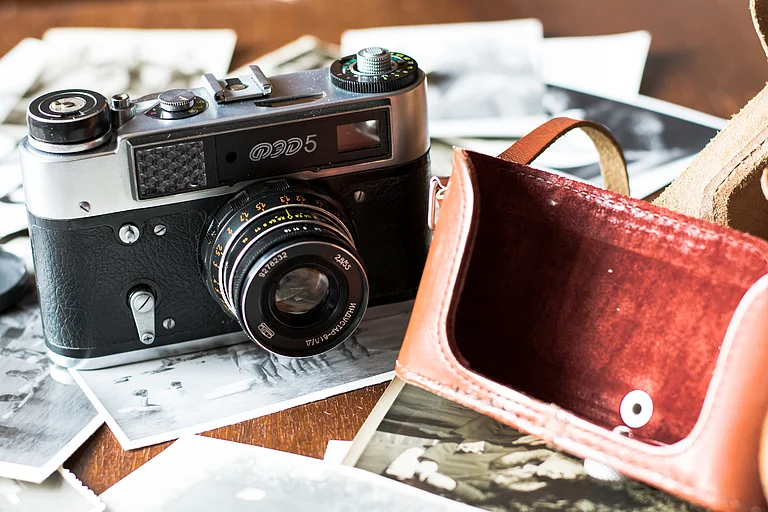


Photo booths are more than just fun machines that loose out memorable strips. They helped democratise photography, captured candid cultural moments, and became treasured relics of public and personal history. The photo booth, from the first fully built and automated Photomaton at 1659 Broadway, between 51st and 52nd Streets in Manhattan, New York City, in 1925, through its current international network of installations and museums dedicated as archives to tell the 'photobooth story' of innovation, nostalgia, cultural significance, and community.
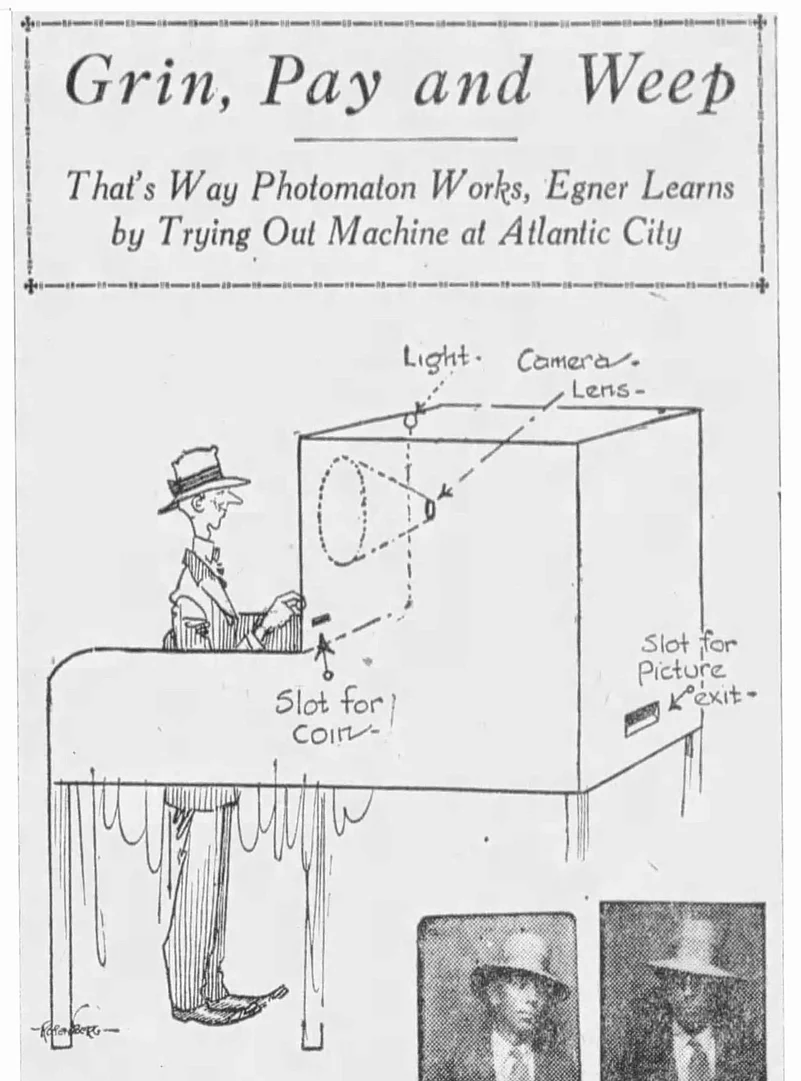
Automated photography concepts date back to the late 1800s, but early machines were unreliable and often needed an attendant. The first modern concept of a self-contained, curtained booth where patrons could take their own photos was brought to life by Anatol Josepho, a Russian immigrant to the United States. In 1925, he introduced the Photomaton on Broadway in New York City, allowing people to drop a coin (twenty-five cents) and, within eight minutes, receive a strip of photographs that they had taken themselves. The system operated inside an enclosed space where a coin-activated camera worked in sync with a single, diffused light source to produce the photographs.
This breakthrough removed the need for a photographer and made portrait photography accessible to the masses.
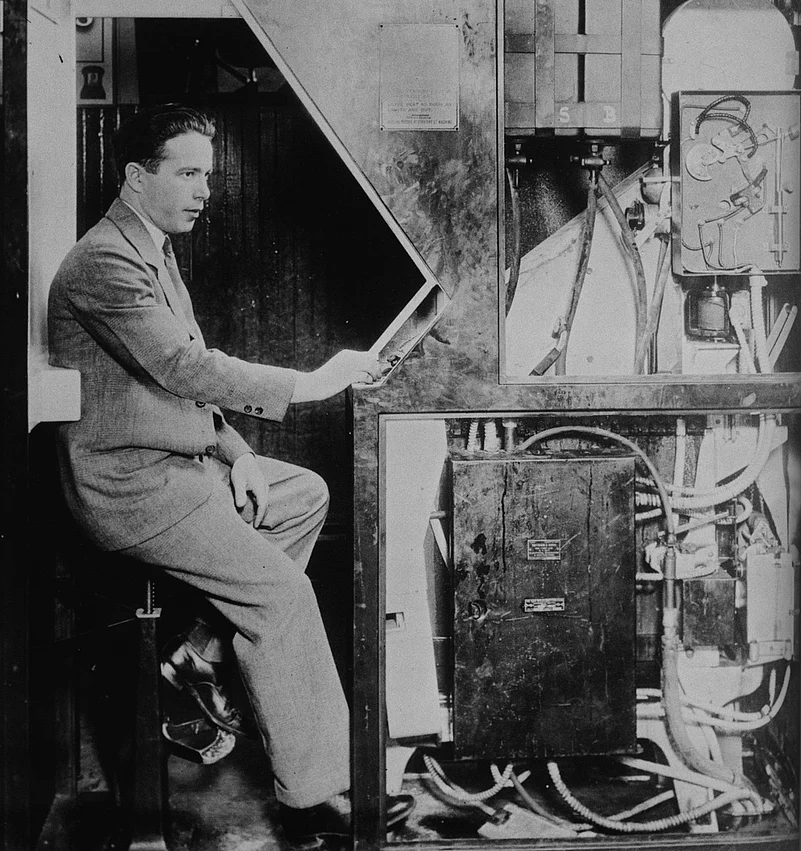

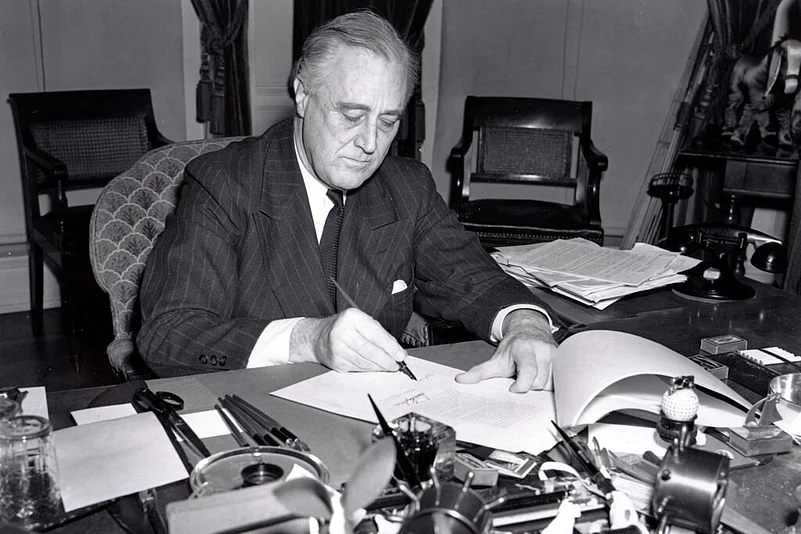
The Photomaton Company was established to install the machines across the United States, and future President Franklin D. Roosevelt served on its board of directors. In 1928, Anatol Josepho sold the rights to the invention to Henry Morgenthau Sr. for one million dollars, a sum that equals more than 18 million dollars today. By 1929, the Photomaton had entered the European market, where prominent cultural figures including André Breton and Salvador Dalí stepped inside to have their portraits made.
In the decades that followed the Photomaton’s debut, photo booths multiplied rapidly. By the 1930s and 1940s, they had become fixtures in train stations, amusement parks, shopping areas, and public squares across the United States and Europe, which gave people affordable and spontaneous snapshots of everyday life. Photo booths were embraced during the hardships of the Great Depression and World War II, as people used them to send images to loved ones and capture moments in uncertain times.
Mid-Century Shifts And Pop Culture Impact
Photo booths became symbols of mid-century pop culture. In 1945, at the end of World War II, world leaders Churchill, Roosevelt, and even Stalin posed in a specially designed booth, creating an iconic image etched into history. With the rise of consumer cameras and instant photography in the 1960s and 70s, traditional booths declined, but their cultural imprint remained. Artists and celebrities like Andy Warhol and John Lennon embraced the format for its immediacy and intimacy.
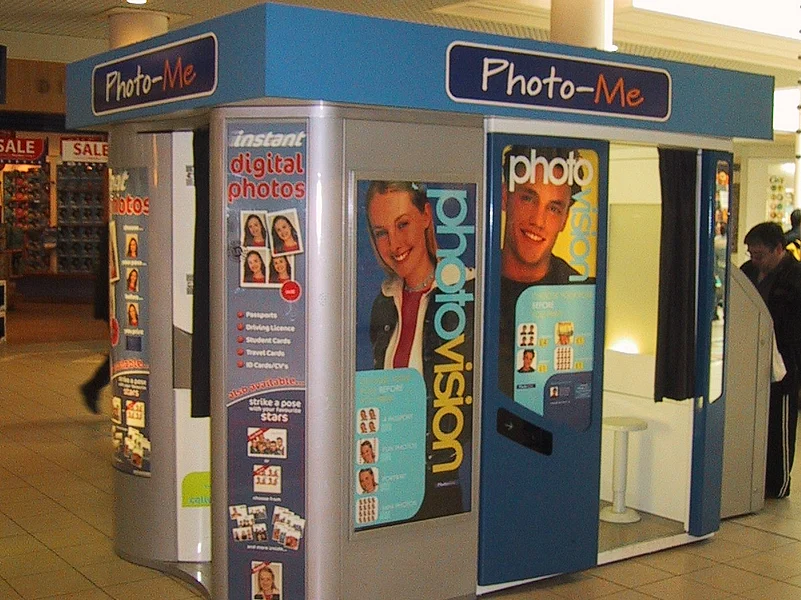
Photography has greatly evolved due to digital technology. By the late 1990s and early 2000s, many traditional photo booths were replaced with digital kiosk-type units or completely disappeared from the public eye. However, the basic concept of the traditional photo booth is still used today. Today’s photo booths have computers, print in colour, and have the ability to apply creative digital enhancements to the traditional photo booth experience of events, weddings and parties, as well as offering additional features such as instant sharing on social media and custom backgrounds.
The Nostalgia And Revival In The 21st Century
On the 100th anniversary of the first photo booth in 2025, photo booths are currently experiencing a global resurgence. Young people are restoring and reinstalling vintage analogue photo booths, which honour the tactile and physical nature of printed photographs at a time when screens dominate. The exhibitions, cultural events, and restorations of these booths celebrate and demonstrate the continued value of preserving our memories in a tangible way, as well as honouring the artistry involved in photography using film.
Iconic Photo Booth Depots Around The World
Photo Booth Museum By Photomatica, San Francisco And Los Angeles
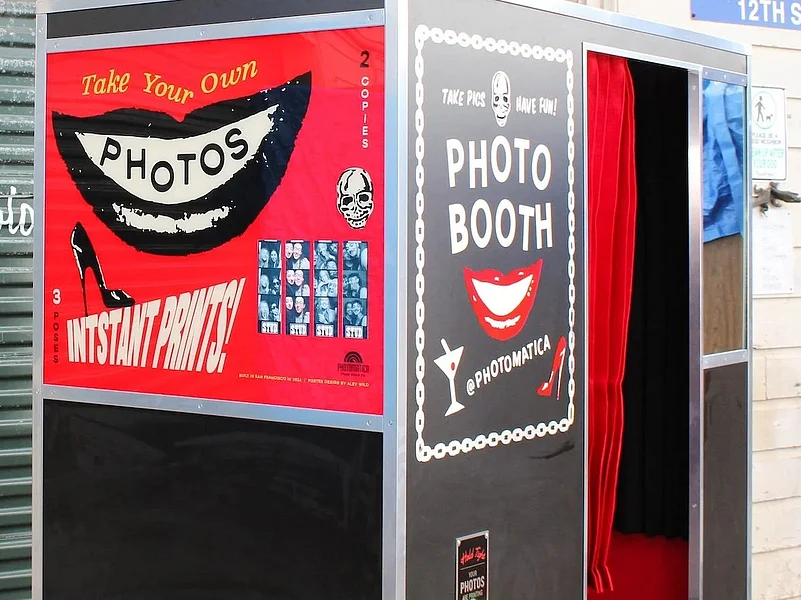
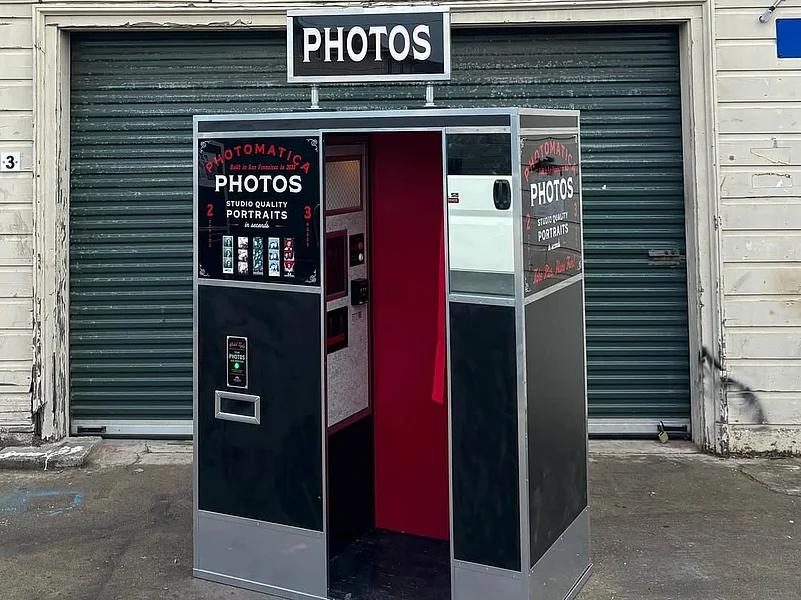
Photomatica's Photo Booth Museum has a unique collection of old photo booths, along with a number of restored vintage photography machines that still have the ability to take photo strips just like they did decades ago. The Photo Booth Museum is located in San Francisco's Castro district. In addition to classic photo booth machines from the 1950s, a major attraction is its wide-format print capability by a vintage photo strip printer. Entry to the Photo Booth Museum is free, but there is a charge applicable for prints. The museum is truly an interactive celebration of tactile (physically printed) photography.
Photomatica Crawl Locations, San Francisco
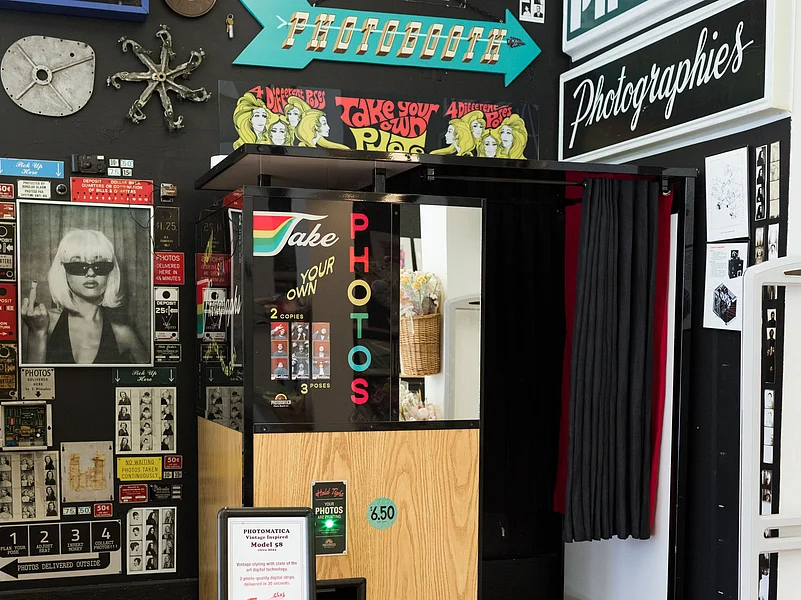
To offer visitors the opportunity of a unique photographic journey through some iconic sites throughout San Francisco, there is a self-guided photo booth crawl beyond the museum that leads you on a whimsical adventure through various neighbourhoods, from dive bars in SoMa and the Tenderloin to cultural hotspots in Haight-Ashbury and Union Square. Each photo booth features different types of settings and pictures of San Francisco that will become part of one's personal storybook.
Fotoautomat, Paris: The Vintage Photobooth Of Montmartre
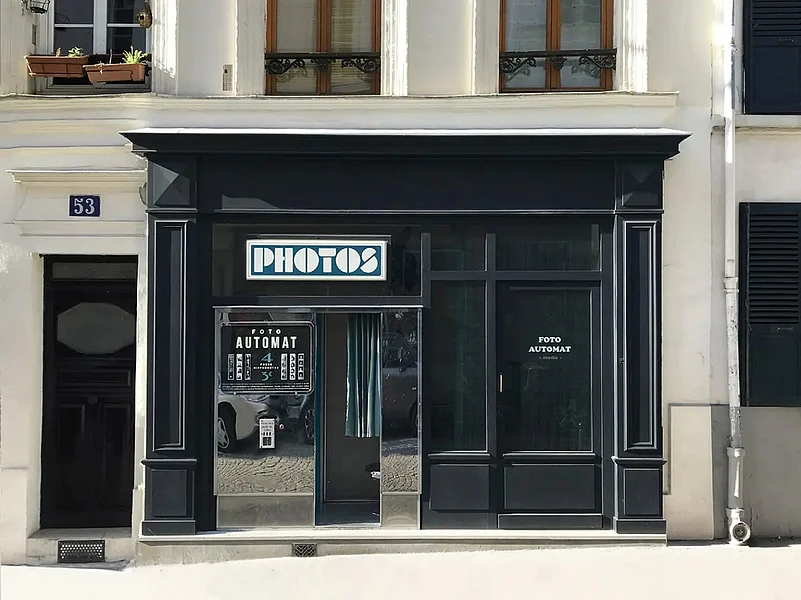
The Fotoautomat collective has created nostalgic analogue photo booths throughout Europe as an art form. They combine visual narrative with street culture, drawing the attention of both residents and tourists who appreciate the nostalgic charm of their predecessors.
You will find the vintage photobooth of Montmartre in one of Paris’ cultural pockets on Rue des Trois Frères. Set into a solid oak and glass storefront, this genuine 1960s analogue photobooth gleams with a polished mirror and inviting entrance, visible from both inside and out. The space feels purpose-built for it, and today it is an essential stop in the Montmartre neighbourhood. On Saturday afternoons, people pack in shoulder to shoulder, waiting their turn behind the curtain.
Locals like to say this is the very vintage photobooth featured in 'The Fabulous Destiny of Amélie Poulain'. Others joke that struggling content creators gather here under a full moon to strike a deal with the Devil, who might even show up playing the accordion.
Historic Photo Booths In Berlin
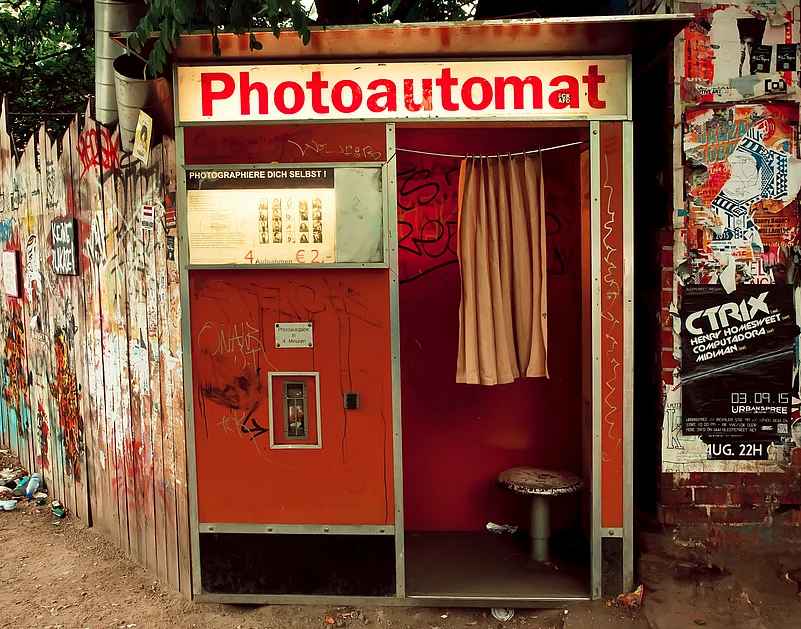
In Berlin, historic analogue Photoautomat booths have become beloved cultural fixtures and a nostalgic nod to mid-20th-century photography, drawing locals and visitors alike to capture classic black-and-white strips for just a couple of euros. Originating in the early 2000s when Berliners began restoring vintage booths from the 1950s and 60s and placing them around the city, these machines now dot neighbourhoods such as Kreuzberg, Prenzlauer Berg, and near Schlesisches Tor, offering spontaneous portraits and retro charm in bustling urban settings. Over time, Berlin’s Photoautomat culture has grown into a cult phenomenon, with more than a dozen booths scattered on streets like Kastanienallee and Warschauer Straße, where people line up to make memories that blend analogue nostalgia with the city’s contemporary creative spirit.
Flinders Street Station Booth, Melbourne
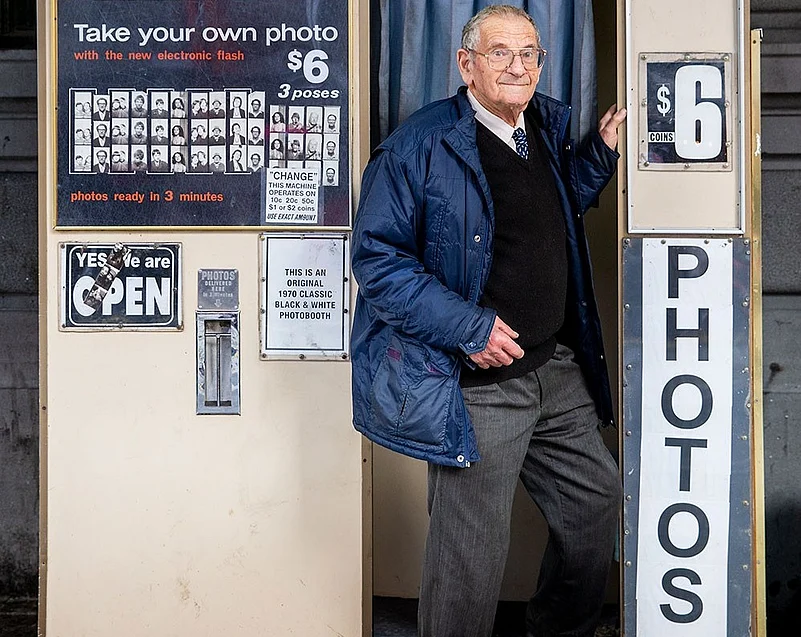
The historic photo booth at Flinders Street Station in Melbourne became an unexpected cultural landmark thanks to the lifelong dedication of Alan Adler, who maintained and operated the analogue black-and-white booth for more than 50 years. Adler, who passed away in December 2024 at the age of 92, was known for keeping this classic coin-operated machine running long after most such booths disappeared, and for taking thousands of his own test photo strips to ensure its quality, earning him the affectionate title of “Australia’s most photographed man.” At his peak, he managed a network of booths across the city, and his legacy is now celebrated through a book and a 2025 exhibition, with new custodians continuing to operate and restore these analogue installations so visitors can still capture a vintage moment at one of Melbourne’s most beloved relics.
In addition to their unpretentious design and democratic nature, the enduring appeal of photo booths can be attributed to the opportunity they provide for anyone to go behind the curtain, pose with friends, and leave with a tangible memento. Each photo booth captures an individual’s story—regardless of whether they are housed in vintage museums, located on European streets, or set up in retro bars around the world. A hundred years after the invention of the first Photomaton, photo booths continue to provide physical keepsakes that will last longer than any digital file through the clicking of the shutter, the flashing of the light and the printing of a photograph.
FAQs
1. When was the first photo booth invented?
The first modern photo booth, called the Photomaton, was introduced in 1925 by Anatol Josepho in New York City, allowing people to take self-portraits without a photographer.
2. Why did photo booths become so popular?
Photo booths made photography affordable, private and spontaneous, helping people capture everyday moments during major historical periods like the Great Depression and World War II.
3. Are vintage photo booths still in use today?
Yes, many analogue photo booths have been restored and are still operational in museums, metro stations, bars and cultural spaces across cities like Paris, Berlin, San Francisco and Melbourne.
4. Where can you find famous photo booths around the world?
Iconic photo booths can be found at Photomatica’s Photo Booth Museum in San Francisco, Fotoautomat locations in Paris and Prague, Berlin metro stations, and Flinders Street Station in Melbourne.
5. Why are photo booths making a comeback?
In the digital age, people value the tactile experience of printed photo strips, driving a global revival of vintage photo booths as nostalgic, artistic and social keepsakes.