India's most memorable journeys don't always lead to famous hill stations or bustling beach towns. Sometimes, they take you right to the country's edges, where tiny villages sit against dramatic mountains, dense forests, vast deserts, and international borders.
Explore India’s Edge: 9 Stunning Border Villages Every Traveller Should Visit
Discover nine incredible border villages across India, from Mana and Turtuk to Kibithoo and Dawki. Find the best time to visit, how to reach, permits required, and essential travel tips

Advertisement
These border villages offer something that many mainstream destinations have lost over the years: authenticity. Here, life moves at a slower pace. You stay with local families, eat home-cooked food, learn about centuries-old traditions, and wake up to landscapes that remain largely untouched by mass tourism.
Many of these villages have also become more accessible in recent years thanks to improved roads, better connectivity, and the growing popularity of community-based tourism. If you're looking for a trip that's different from the usual weekend getaway, these destinations deserve your attention.
Mana, Uttarakhand
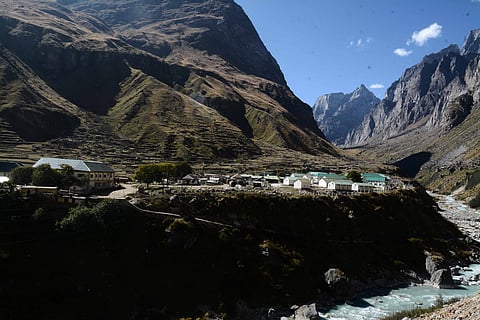
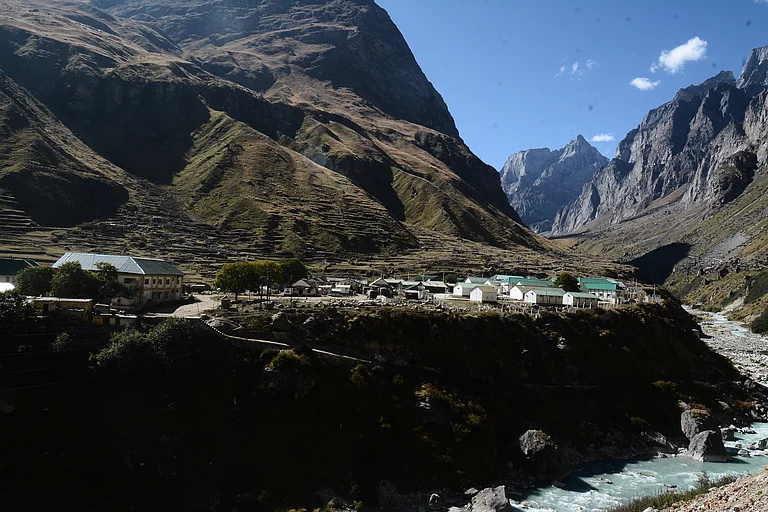
Mana is situated at an altitude of 3,200 metres along the banks of the Saraswati River pankaj tilara india/Shutterstock
Just 3 km from Badrinath, Mana sits close to the India-Tibet border and is often introduced as the "First Village of India." Surrounded by towering peaks, the village is closely linked to the Mahabharata and is home to landmarks like Vyas Gufa, Ganesh Gufa, Bhim Pul, and the origin point of the Saraswati River. If you have time, the trek to Vasudhara Falls is well worth it.
Advertisement
How To Reach
Mana is connected by road via Rishikesh and Haridwar. The drive from Rishikesh takes around 10 to 12 hours, with the final stretch passing through Badrinath.
Best Time To Visit
Plan your trip between May and June or September and October. The village remains closed during winter as residents migrate to lower valleys and heavy snowfall cuts off access.
Things To Know
No permit is required to visit the village, but since it's close to the international border, identity checks by the Indo-Tibetan Border Police (ITBP) are common. Carry a valid government-issued ID. Beyond Mana, access towards Mana Pass requires special army permission.
Turtuk, Ladakh
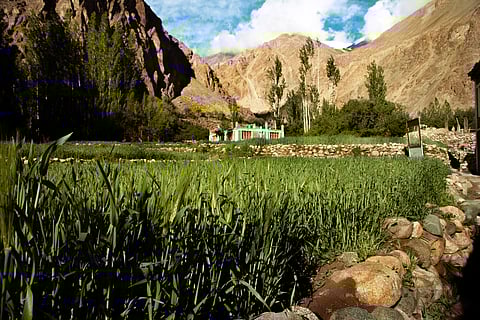
Turtuk in Ladakh Shutterstock
One of India's northernmost villages, Turtuk feels very different from the rest of Ladakh. Opened to tourists only in recent years, it is home to the Balti community, whose culture reflects Central Asian influences. Wander through narrow lanes lined with stone homes, taste fresh apricots in season and admire sweeping views of the Karakoram Range.
Advertisement
How To Reach
Turtuk lies about 205 km from Leh via Khardung La and Nubra Valley. The drive takes around six to eight hours. Shared taxis and buses are available, although hiring a private vehicle offers greater flexibility.
Best Time To Visit
The ideal time is May to September, when the roads remain open, temperatures are pleasant, and the apricot orchards are in bloom.
Things To Know
Indian travellers need an online environmental permit before entering Nubra Valley, while foreign nationals require a Protected Area Permit (PAP). Turtuk was under Pakistani administration until 1971, and its Balti culture, language, and Noorbakshia Muslim heritage make it one of Ladakh's most distinctive villages.
Kibithoo, Arunachal Pradesh
If you've ever wanted to watch the sunrise before almost everyone else in India, Kibithoo should be on your list. Among the easternmost inhabited places in India, Kibithoo is surrounded by mountains and forests and offers spectacular scenery along with an insight into life in one of India's most remote frontier regions.
Advertisement
How To Reach
The journey begins from Dibrugarh in Assam and continues via Tinsukia, Tezu, Hayuliang, and Hawai before reaching Kibithoo. Expect at least two days of mountain driving.
Best Time To Visit
The best time is October to April, when the weather is relatively stable, and roads remain open.
Things To Know
An Inner Line Permit (ILP) is mandatory for Indian travellers, while foreign nationals need a Protected Area Permit. Kibithoo also holds historical significance as one of the key locations during the 1962 India-China war.
Kaho, Arunachal Pradesh
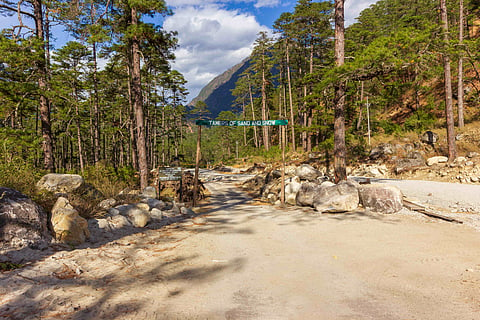
Kaho, Arunachal Pradesh, India's easternmost village Shutterstock
Tiny, peaceful, and surrounded by towering mountains, Kaho is often recognised as India's easternmost village. Home to the Meyor community, the village remains largely untouched by mainstream tourism. There aren't long lists of attractions here, and that's exactly what makes it special. Visit the village to experience quiet mountain life, interact with locals and soak in uninterrupted Himalayan views.
How To Reach
Kaho follows the same route as Kibithoo through Anjaw district and requires a long drive from Dibrugarh via Tezu and Hawai.
Advertisement
Best Time To Visit
Plan your visit between October and April, avoiding the monsoon months when landslides frequently disrupt travel.
Things To Know
Indian travellers need an Inner Line Permit, while foreign nationals require a Protected Area Permit. The village follows Mahayana Buddhism and remains one of the least-visited settlements in the country.
Chitkul, Himachal Pradesh
Set in the beautiful Baspa Valley, Chitkul is often called the last inhabited village on the old Indo-Tibet road. Think wooden homes, apple orchards, riverside walks and panoramic mountain views. It's one of those places where doing nothing feels like the perfect itinerary.
How To Reach
The drive from Shimla takes around 10 to 12 hours via Sangla along National Highway 5. HRTC buses also connect Shimla and Reckong Peo with Chitkul.
Best Time To Visit
Visit between April and October. Heavy snowfall during winter often blocks roads, making the village inaccessible.
Things To Know
Indian travellers do not need a permit, but foreign nationals require an Inner Line Permit to travel beyond Jangi. Chitkul sits at an altitude of around 3,450 metres and is home to the Kinnauri community. Don't miss the centuries-old Mathi Devi Temple, built entirely from wood and stone.
Advertisement
Zemithang, Arunachal Pradesh
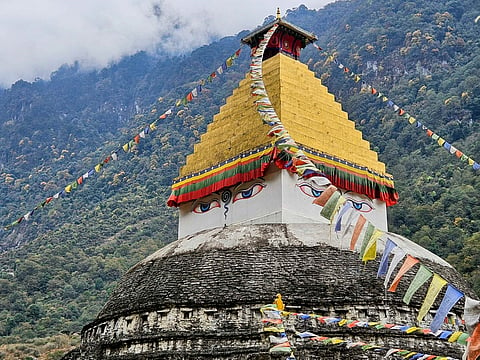
Gorsam Chorten in Zemithang, Arunachal Pradesh Shutterstock
Hidden away in Arunachal Pradesh's Tawang district, Zemithang is one of the state's most rewarding offbeat destinations. Surrounded by mountains, it is best known as the route through which the 14th Dalai Lama entered India in 1959. The village is also home to the magnificent Gorsam Chorten, one of the largest and oldest stupas in the region.
How To Reach
Zemithang is around 90 km from Tawang, a drive of roughly three to four hours. Tawang itself is accessible by road from Guwahati via Tezpur and Dirang.
Best Time To Visit
Visit between March and May for blooming rhododendrons or October and November for clear skies and uninterrupted mountain views.
Things To Know
Indian travellers need an Inner Line Permit, while foreign nationals require a Protected Area Permit. The village is home to the Monpa community and is centred around the 13th-century Gorsam Chorten.
Dawki, Meghalaya
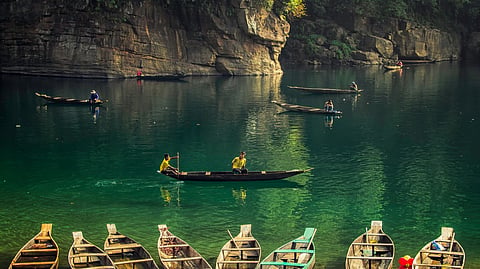
Fishing on the river in Dawki, Meghalaya Shutterstock
Most travellers know Dawki for the crystal-clear Umngot River, where boats appear to float on glass. What many don't realise is that Dawki also sits along the India-Bangladesh border. Visitors often stop at the border viewpoint before heading to nearby Shnongpdeng, which has become popular for kayaking, camping, ziplining, and river activities.
Advertisement
How To Reach
Dawki is about 82 km from Shillong and can be reached in around three hours by road. Shared taxis and private cabs regularly operate from the state capital.
Best Time To Visit
The ideal time to visit is November to February, when the Umngot River is at its clearest and the weather is pleasant.
Things To Know
No permits are required for Indian travellers. If you're visiting the international border or the Integrated Check Post, be sure to follow instructions issued by the Border Security Force (BSF).
Totopara, West Bengal
Located near the Bhutan border in West Bengal's Alipurduar district, Totopara is home to the Toto tribe, one of India's smallest indigenous communities. The village offers a chance to learn about Toto traditions while also exploring the surrounding Dooars landscape. Wildlife lovers can combine their visit with a trip to Jaldapara National Park, famous for its one-horned rhinoceros.
How To Reach
Totopara is around 22 km from Madarihat. Hasimara is the nearest railway station, while New Jalpaiguri is the closest major rail hub for travellers arriving from other parts of India.
Advertisement
Best Time To Visit
Plan your visit between October and March, when the weather is pleasant and road conditions are generally at their best.
Things To Know
No Inner Line Permit is required, but visitors may need permission from the local administration to enter the residential tribal settlement. Always respect local customs and seek permission before photographing residents.
Jaigaon, West Bengal
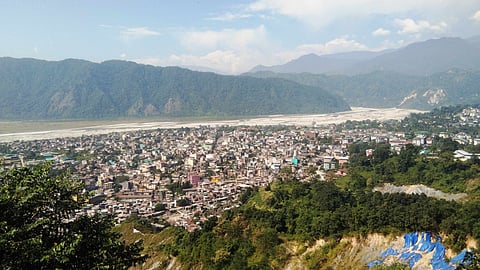
Jaigaon, West Bengal, near the India–Bhutan border Shutterstock
Jaigaon is one of India's busiest border towns and serves as the gateway to Bhutan. Many travellers simply pass through on their way to Phuentsholing, but it's worth spending a little time here. The colourful Bhutan Gate, bustling markets and easy access to the forests and tea gardens of the Dooars region make Jaigaon an interesting stop in itself.
How To Reach
Jaigaon is well connected by road. Hasimara railway station is around 18 km away, while Bagdogra Airport, about 145 km away, is the nearest airport.
Best Time To Visit
The best time to visit is October to March, when the weather is cool and ideal for sightseeing.
Advertisement
Things To Know
No permits are required to stay in Jaigaon. For quick day trips (under 24 hours) into Phuentsholing, Indians can cross via the Pedestrian Terminal using a valid Voter ID or Passport after a quick pre-registration on the Bhutan Border Management System. If traveling deeper into Bhutan (beyond the Rinchending checkpoint) or staying overnight, a full Bhutan Entry Permit is required along with a mandatory Sustainable Development Fee (SDF) of INR 1,200 per night.
What You Need To Know Before Planning A Border Village Trip
Travelling to India's border villages requires a little more planning than a regular holiday. Some destinations, particularly in Arunachal Pradesh and Ladakh, require Inner Line Permits (ILPs), Protected Area Permits (PAPs) or other permissions. Weather conditions can change quickly, especially in the Himalayas, and roads may occasionally close because of landslides or security restrictions.
So, before you travel:
Check whether permits are required.
Follow the latest weather and road updates.
Respect local customs and traditions.
Stay in registered homestays wherever possible to support local communities.
Always follow instructions issued by local authorities and security personnel.
Border villages aren't about luxury hotels or packed itineraries. They're about discovering a quieter side of India, one where culture, community and nature come together in ways that many popular destinations no longer can. If you're ready to venture beyond the usual tourist circuit, these villages promise experiences you'll remember long after the journey ends.
Advertisement
FAQs
1. Which are the best border villages to visit in India?
Some of the best border villages include Mana (Uttarakhand), Turtuk (Ladakh), Chitkul (Himachal Pradesh), Kibithoo and Kaho (Arunachal Pradesh), Zemithang (Arunachal Pradesh), Dawki (Meghalaya), Totopara and Jaigaon (West Bengal).
2. Do I need permits to visit India's border villages?
It depends on the destination. Places such as Turtuk, Kibithoo, Kaho and Zemithang require permits for certain travellers, while villages like Mana, Chitkul, Dawki and Jaigaon generally do not require permits for Indian citizens, though ID checks may apply.
3. Which is India's first village?
Mana in Uttarakhand is officially promoted as the "First Village of India" due to its location near the India-Tibet border.
4. Which is India's easternmost village?
Kaho, in Arunachal Pradesh's Anjaw district, is recognised as India's easternmost village and is home to the Meyor community.
5. When is the best time to visit India's border villages?
The ideal time varies by destination. Himalayan villages such as Mana, Turtuk and Chitkul are best visited between May and October, while destinations like Dawki and Totopara are most pleasant between October and March.
Published At: