A quieter, more deliberate kind of tourism is beginning to take root at the edge of Dudhwa National Park. In the Terai region of Uttar Pradesh—where grasslands stretch into sal forests and wildlife corridors blur into village life—a new eco-tourism destination is unfolding at Chandan Chowki in Lakhimpur Kheri district. Developed through a partnership between BVG India and the Uttar Pradesh Eco Tourism Development Board (UPETDB), the project signals a shift in how the state is approaching nature-based travel.
UP Bets On Eco-Tourism With Nature-Led Resort Near Dudhwa National Park
A new eco-tourism hub near Dudhwa National Park blends wildlife, wellness and community, pointing to a quieter future for nature-based travel

Advertisement
At the centre of this initiative is the BVG India Resort, a five-acre, eco-friendly hospitality project that is expected to be fully operational by March 2026. Conceived as a nature-led retreat rather than a conventional resort, it anchors the larger Chandan Chowki eco-tourism hub—an effort that brings together wildlife, wellness, and local culture in one of India’s most ecologically sensitive landscapes.
A Thoughtful Partnership
The Chandan Chowki project is being developed under a public–private partnership model, with BVG India overseeing the resort across its entire lifecycle—from planning and design to financing, operations, and long-term upkeep. The company is also responsible for regulatory clearances and promotional strategy, giving the project the structure of a professionally managed eco-tourism destination rather than a standalone stay near a protected forest.
For Uttar Pradesh, the collaboration reflects a growing emphasis on tourism models that balance economic viability with environmental responsibility. Instead of focusing solely on footfall, the intent here is to build destinations that can sustain themselves over time while remaining respectful of the ecosystems they depend on.
Advertisement
The resort has been planned to serve a broad mix of travellers—wildlife enthusiasts visiting Dudhwa, families looking for immersive nature experiences, leisure travellers seeking quieter escapes, and even small corporate groups interested in retreat-style gatherings. Yet the scale remains intentionally restrained, aligned with the ecological sensitivities of the region.
Designed For Nature
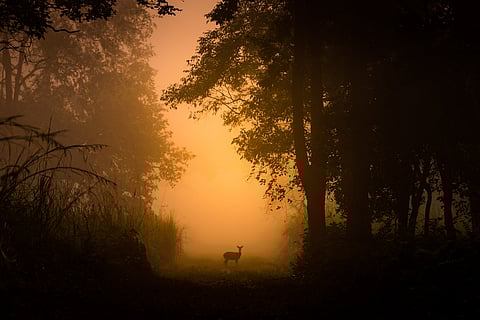
A deer in Dudhwa National Park NileshShah/Shutterstock
What distinguishes the BVG India Resort is its emphasis on low-impact, environmentally sensitive design. Rather than imposing itself on the landscape, the property has been conceptualised to blend into its forest surroundings, with layouts that follow the natural terrain and construction approaches that minimise disruption.
Guests can expect multiple accommodation options alongside modern hospitality essentials—food and beverage services, recreational spaces, and modest venues for conferences or social gatherings. The focus, however, is not on excess. Conceived as a place where time gently slows, the resort moves away from high-octane luxury, encouraging guests to step outside, breathe deeply, and settle into the unhurried rhythms of Dudhwa, where birdsong shapes the mornings and the day follows nature’s lead.
Advertisement
Wellness runs through the project in a way that feels intuitive rather than programmed. The layout, the open spaces, and the experiences planned here are meant to encourage pause and presence, allowing guests to reconnect with the landscape and with themselves. It reflects a growing shift among travellers who value depth, calm, and context as much as comfort.
Community At The Core
Beyond wildlife and wellbeing, the Chandan Chowki eco-tourism project places strong emphasis on local participation. Within the destination, a dedicated area has been created for Tharu tribal handicrafts, giving artisans, especially women—a meaningful platform to share traditional skills and benefit directly from visitor engagement.
Organic horticulture zones within the resort take this engagement a step further. Planned as living, working spaces instead of curated gardens, they introduce guests to everyday rural practices and sustainable cultivation. All of this unfolds in a setting that gives the project its true sense of purpose. The setting itself adds weight to the project’s larger vision. Dudhwa National Park, located along the Indo-Nepal border, is internationally recognised for its biodiversity. It is among the few protected areas in India where Bengal tigers and one-horned rhinoceroses coexist in the wild, alongside endangered swamp deer and an impressive diversity of birdlife. As part of Project Tiger, the park plays a crucial role in India’s conservation efforts, making responsible tourism development in its buffer regions especially critical.
Advertisement
With the BVG India Resort at Chandan Chowki, Uttar Pradesh is gradually expanding its eco-tourism portfolio beyond its well-known pilgrimage and heritage circuits. As travellers increasingly look for quieter, experience-rich destinations, projects like this point towards a future where conservation, community participation, and thoughtful tourism infrastructure move forward together—carefully, and with intent.
FAQs
1. Where is the new eco-tourism project located?
The project is located at Chandan Chowki in Lakhimpur Kheri district, near Dudhwa National Park in Uttar Pradesh’s Terai region.
2. Who is developing the eco-tourism hub near Dudhwa?
The development is a partnership between BVG India and the Uttar Pradesh Eco Tourism Development Board (UPETDB).
3. When will the BVG India Resort become operational?
The resort is expected to be fully operational by March 2026.
4. What kind of travellers is the resort designed for?
It caters to wildlife enthusiasts, leisure travellers, families, and small corporate groups seeking nature-led, low-impact experiences.
5. How does the project support sustainability and local communities?
The project emphasises low-impact design, community participation through Tharu handicrafts, and sustainable practices such as organic horticulture.
Advertisement

Published At: