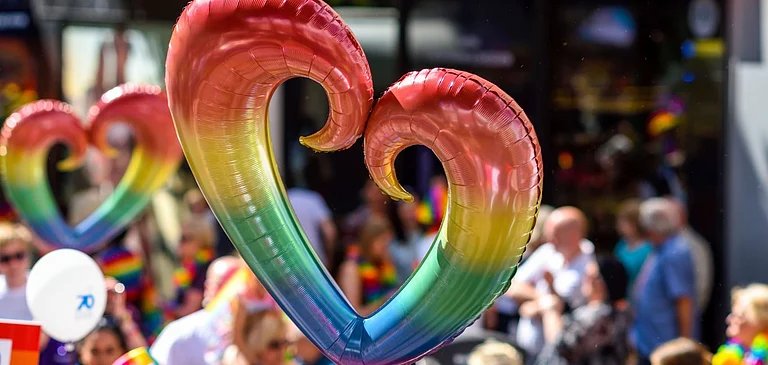
LGBTQ+ History Month is an invitation to look beyond marches and milestones, and instead trace the quieter geographies where queer life has unfolded. First observed in the US in October and later in the UK in February, the month foregrounds stories that were long pushed to the margins—of resistance, community and self-expression. In Delhi, these stories live not only in protest routes and policy shifts, but in cafés where conversations lingered, bars where identities were celebrated without apology, and public spaces that once doubled as sanctuaries.
The capital’s queer map is layered and lived-in, shaped as much by everyday hangouts as by historic acts of defiance. For both locals and travellers, exploring these spaces offers a deeper understanding of how Delhi learned to make room for difference—and how hospitality, culture and history continue to intersect in quietly powerful ways.
Cafés Where People Connect


Delhi’s cafés that welcome LGBTQ+ people feel naturally inclusive. They've slowly become places where the community can come together—friendly, open, and a key part of the city's culture.
Summer House Cafe
Summer House Cafe, located in Hauz Khas’s Aurobindo Place, has been known as a spot for alternative culture in Delhi for a while now. It's a relaxed place with a lot going on, hosting LGBTQ+ events, open-mic nights, and dances that attract all kinds of people. What makes it special is that being queer is just a normal part of the vibe—it's not just a theme night, it's how things always are. The food is comforting, and people tend to stay and talk until late. Over the years, it has become a spot where people can be creative and feel at ease.
Address: 1st Floor, DDA Shopping Complex, Aurobindo Place, Hauz Khas, New Delhi
Price for Two: INR 1,600 – INR 2,500 (Approx)
Jugmug Thela
In the green streets of Saiyad ul Ajaib, you'll find Jugmug Thela, a quieter, more personal place. It was designed to be sustainable, with recycled materials and soft lighting that make it feel calm. It's openly queer-friendly, drawing in students, freelancers, and activists who want a safe, chill place to hang out. The conversations here are more low-key, but just as meaningful, often happening over tea. It plays a small but important role in Delhi’s queer scene, showing that being visible can also mean being consistently present.
Address: Shed 4, Khasra 258, Westend Marg, Lane 3, tucked behind Kuldeep House, Saidulajab, Saket, New Delhi
Price for Two: Approximately INR 850 – INR 1,000
Depot48
Depot48, which is both a café and a live music spot in Greater Kailash, has a unique place in the city’s culture. From the start, it has supported independent musicians and made space for LGBTQ+ events that focus on safety and having fun. Its rooms have great sound, and the music covers all sorts of genres, making it a draw for creative people. Things like themed queer nights have helped make inclusive nightlife more normal outside of clubs, proving that music venues can also be places where people belong.
Address: M9, Level, block market, 2, M, Block M, Greater Kailash II, Greater Kailash, New Delhi
Price for Two: INR 2,500 (approx.)
Bars Where You Can Be Yourself
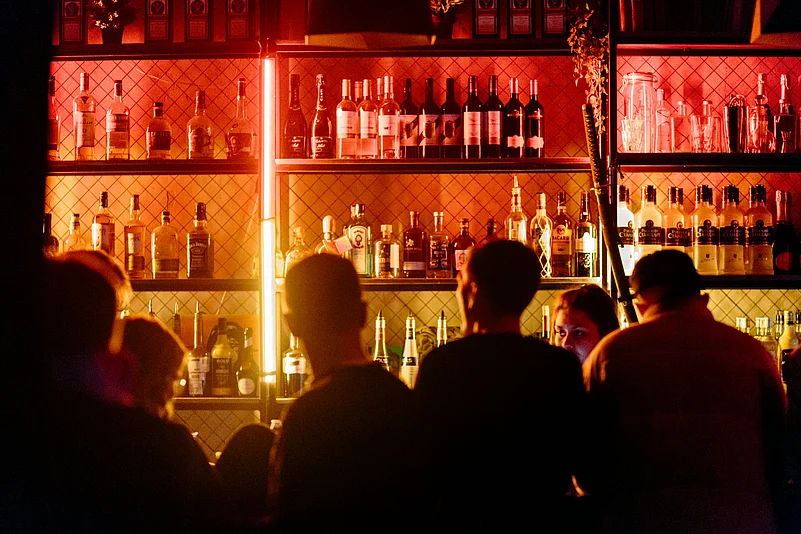
Nightlife has always given queer people a chance to be anonymous, free, and expressive. In Delhi, some bars have taken that idea and made it even better—creating spaces where celebrating and standing up for what you believe in go hand in hand.
Kitty Su
Kitty Su, located in The LaLiT in Connaught Place, is known as a landmark in India’s queer nightlife. It was created to be a place where people can freely be themselves and has always supported drag culture, queer performers, and collaborations from around the world. Its location is important—right in the middle of the city—making it impossible to ignore. Besides being a spectacle, Kitty Su has helped change how people see queer nightlife, making it something to aspire to, glamourous, and a key part of Delhi’s culture.
Address: The Lalit Hotel, Barakhamba Rd, opp. Modern School, Connaught Place, New Delhi
Price for Two: INR 6,000 (approx.)
PCO Bar
PCO Bar in Vasant Vihar offers a different kind of inclusivity—quieter, more personal, but just as genuine. It's styled like an old-fashioned American speakeasy, with a hidden entrance and cosy interior that make it feel like a getaway. Its queer-friendly attitude is built into how it treats its customers, making them feel comfortable without any pressure. For many, PCO shows that inclusivity can be subtle, classy, and seamlessly part of the city’s social life.
Address: D-4, D Block Market, Vasant Vihar, New Delhi
Price for Two: INR 2,500 - INR 3,500
Important Places To Remember

Long before rainbow flags were common, Delhi’s public spaces carried special meanings for the queer community. These places saw early conversations, covert meetups, and formative acts of protest.
Madras Coffee House
Back in the 90s, this place in Connaught Place quietly became a spot for LGBTQ+ activists to meet. Certain tables were like unofficial safe zones where people could talk about rights, health, and identity. What made it powerful was that it was just an ordinary place—public, easy to get to, and unassuming—allowing radical ideas to spread without being obvious.
Address: P-5/90, Connaught Circle, Block P, Connaught Place, New Delhi
Price for Two: INR 300 (Approx)
Tolstoy Marg To Jantar Mantar
This stretch of central Delhi has been the route for the city’s annual pride march since 2008, turning government streets into places of celebration. Over the years, the march has grown bigger and more confident, making queer visibility a part of the city’s identity. Walking this route now reminds us how protests can change a place, making the act of marching itself a piece of history.
Address: Sansad Marg, Connaught Place, New Delhi
Goethe-Institut (Max Mueller Bhavan)
As the location for India’s first international queer film festival in the early 90s, the Goethe-Institut was key to making queer culture visible. At a time when representation was rare and debated, showing films here created a space for talking, understanding, and recognition—using art as both protection and a way to shine a light.
Address: 3, KG Marg, Mandi House, New Delhi
FAQs
1. Why is Delhi significant to India’s LGBTQ+ history?
Delhi has been central to early queer activism, public protests, film festivals and pride marches, making it a key site for visibility and rights movements in India.
2. What is LGBTQ+ History Month and why is it observed?
LGBTQ+ History Month honours queer pioneers, movements and cultural contributions, addressing the historical absence of LGBTQ+ narratives from mainstream history.
3. Are these cafés and bars exclusively for the LGBTQ+ community?
No. These spaces are open to everyone and are known for being welcoming, inclusive and respectful of all gender identities and sexual orientations.
4. Can travellers safely visit queer-friendly spaces in Delhi?
Yes. Many venues in Delhi actively promote inclusivity and have established reputations as safe, community-supported spaces for locals and visitors alike.
5. How do public landmarks feature in Delhi’s queer narrative?
Parks, cafés and cultural institutions in Delhi served as early meeting points and protest sites, embedding queer history into the city’s everyday landscape.