The ongoing conflict involving the United States, Israel and Iran has significantly disrupted the global tourism industry in a range of ways. Flight cancellations, falling hotel bookings, and reduced services in restaurants and hotels have all become increasingly common as demand weakens. A major reason for the slowdown is that fewer travellers feel safe visiting the region, with concerns about instability discouraging trips and bookings. Evidence suggests that tourism often takes a long time to recover after conflict, with destinations that rely heavily on visitors continuing to feel the economic strain well after fighting has stopped.
Grounded Flights, Empty Hotels: Tourism Feels The Heat Of War
As geopolitical tensions rise, the global tourism industry is feeling the strain, with cancellations, falling bookings and economic uncertainty hitting destinations that rely heavily on international visitors

Advertisement
Middle East
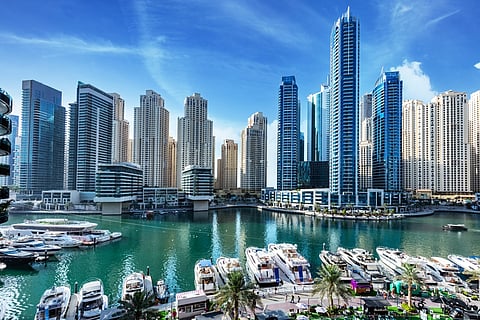
Major airports in the UAE, including Dubai, are handling a smaller number of flights PHOTOCREO Michal Bednarek/Shutterstock
The Middle East is bearing the most direct and acute economic losses from the ongoing conflict, with the travel and tourism sector losing an estimated USD 600 million in daily international visitor spending, according to the World Travel & Tourism Council (WTTC). Flight disruptions and falling traveller confidence have sharply reduced demand, with hotel occupancy rates dropping across the region. In the early stages of the escalation, more than 5,000 flights were cancelled as large parts of regional airspace were restricted or closed.
Aviation and Global Spillovers
The region plays a major role in global aviation, accounting for around 14 percent of international transit traffic. As a result, disruptions at key hubs such as Dubai International Airport—the world’s busiest—have triggered knock-on effects across global flight routes, stranding tens of thousands of passengers and creating wider international travel delays.
Tourism Growth Under Pressure
According to the United Nations World Tourism Organization (UNWTO), the Middle East and North Africa is one of the fastest-growing tourism regions in the world. In 2025, the region welcomed nearly 100 million international travellers, a 39 percent increase from 2019. This rapid growth, alongside major investments in destinations such as Dubai and Abu Dhabi, has now been sharply undermined by the conflict, as cancellations and travel warnings rise.
Advertisement
Egypt
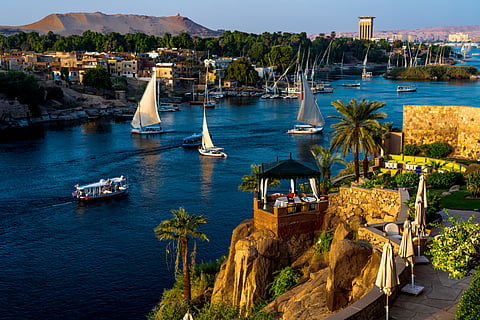
The Nile at Catarct, Aswan, Egypt Joseph Sohm/Shutterstock
Travellers have been advised to avoid the North Sinai Governorate, which borders the Gaza Strip, as well as the border with Libya. Separately, Egypt will also adjust closing hours for shops, malls and restaurants later this month as part of efforts to reduce energy consumption. According to Egypt Today, closing times will shift to 9 pm on weekdays and 10 pm on Thursdays and Fridays for one month from March 28, aligning with the country’s Sunday-to-Thursday working week.
Cancellations, but limited impact
Some travellers, particularly from Western markets, have cancelled or delayed trips due to regional tensions. However, industry professionals say the overall impact remains limited. Cairo, Luxor, Aswan, and Red Sea resorts such as Sharm el-Sheikh and Hurghada continue to operate normally, with tourism activity largely uninterrupted.
Confidence hit by confusion
A key issue is perception. Some tourists are linking Egypt with nearby conflict zones, even though it is geographically separate from the fighting. This has made some visitors more cautious, despite little change in official travel guidance.
Advertisement
Thailand
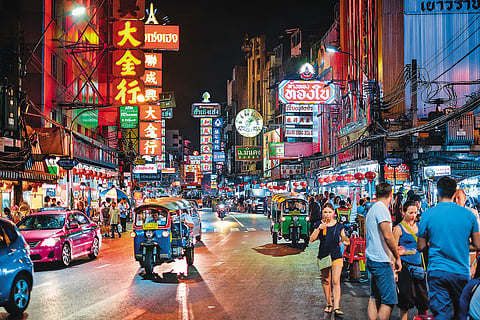
Streets in Bangkok shutterstock
Thailand welcomed nearly 33 million international arrivals last year, reinforcing its position as a leading global tourism hub. However, recent disruptions have begun to affect arrivals and movement within the country.
Transport strain
Fuel shortages have led to long waits at Suvarnabhumi Airport in Bangkok, as fewer taxis are available for incoming passengers. While around 6,000 taxis typically serve the airport, reports from The Nation Thailand suggest only about 2,500 are currently operating, with many drivers avoiding longer routes due to fuel concerns. Public transport operators are also under pressure, with fuel prices capped and fare increases restricted, according to the Bangkok Post.
Cancellations and falling tourism demand
The wider tourism sector is also feeling the impact, with industry reports pointing to a sharp fall in enquiries and a rise in cancellations since the escalation of the conflict. Hotels, restaurants, souvenir shops and massage spas have all reported reduced activity. Around 1,000 Thailand-bound flights have been cancelled, according to Aeronautical Radio of Thailand. The tourism ministry has warned that a prolonged disruption could reduce arrivals by up to 600,000 and result in losses of around 41 billion baht.
Advertisement
Türkiye

A view of the Hagia Sophia in Istanbul Shutterstock
Tourism remains a key part of Türkiye’s economy, but ongoing regional uncertainty is weighing on the sector. The most visible impact has been in eastern provinces near the Iranian border, where cross-border tourist flows have fallen sharply due to travel disruptions.
Bookings slow down
Local businesses in these areas are facing temporary setbacks as seasonal tour programmes have been suspended. Across the wider sector, booking momentum has weakened, with many reservations delayed or put on hold. The industry is currently operating below its full potential, as operators hope stability returns in time to rebuild demand ahead of the summer season.
Sri Lanka

The coastal landscape of Sri Lanka Shutterstock
Sri Lanka drew about 2.05 million foreign tourists in 2024, with a large share coming from Europe, including the UK and Germany, according to the Sri Lanka Tourism Development Authority. Tourism has played a key role in steadying the economy after the severe financial crisis of 2022, making the sector particularly sensitive to fresh global shocks.
Advertisement
Fuel curbs and workweek changes
Recent disruptions have pushed the government to limit fuel purchases and introduce a four-day working week for non-essential public sector staff. At the same time, steps are being taken to shield tourism. The UK’s Foreign, Commonwealth and Development Office notes that special fuel access is being arranged for hotels and tour operators, even as overall tourist numbers begin to dip.
Indonesia
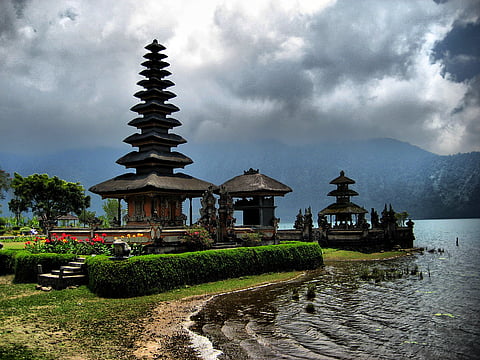
Bedugul. Ulun Danu Temple in Bali Joan Campderrós-i-Canas/Flickr Commons
Tourism in Bali has been unsettled by recent disruptions to major flight routes passing through the Middle East. With some airspace closed, airlines have had to take longer alternative paths, while others have cancelled services altogether. In early March 2026, more than 35 international flights to the island were cancelled, affecting several major carriers and leaving some travellers unable to depart as planned. Local authorities introduced temporary measures, including extended stays, to manage the situation.
Visitor dip and higher fares
The disruption is beginning to show in arrival numbers, with Bali losing an estimated 800 foreign visitors a day. Travellers from Europe and the Middle East have been the most affected, as routes become costlier and less reliable. Airlines have raised fares and added fuel charges, making trips more expensive. In response, Indonesia is now looking to draw more visitors from nearby markets such as China and India.
Advertisement
India
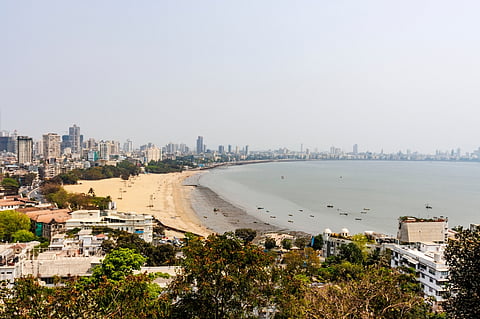
The coast along Mumbai Jan Willem van Hofwegen/Shutterstock
The knock-on effects of the conflict are beginning to show across India’s travel sector. With flights taking longer routes and fares climbing, fewer tourists are choosing to visit, particularly from Europe and the United States. Hotels in several destinations are seeing softer demand, and the drop is more pronounced in medical tourism, where arrivals from the Middle East have fallen sharply. Even during typically busy periods such as Holi, businesses that rely on visitors have reported weaker footfall.
Pressure builds for restaurants
Away from tourism, restaurants are also feeling the impact. Industry representatives say many outlets are adjusting day-to-day operations to cope with rising fuel costs. Menus are being pared back, cooking times shortened, and opening hours reduced. In some cases, smaller establishments have paused operations altogether, as higher energy prices continue to squeeze margins.
FAQs
How is the conflict affecting global tourism?
It is disrupting flight routes, increasing travel costs, and reducing traveller confidence, leading to fewer bookings and cancellations across multiple regions.
Advertisement
Which regions are most affected?
The Middle East is most directly impacted, but knock-on effects are being felt in destinations such as Egypt, Türkiye, Thailand, Sri Lanka, India, Bali, and Indonesia.
Why are flight prices increasing?
Airlines are rerouting flights to avoid closed or restricted airspace, which increases fuel use, operating costs, and overall ticket prices.
Are tourists still travelling to affected countries?
Yes, but in reduced numbers. Many travellers are postponing or cancelling trips due to uncertainty and perceived risk.
How long can tourism be affected after a conflict ends?
Research shows recovery can take years, as traveller confidence and destination reputation often take time to rebuild.
Which sectors are most impacted within tourism?
Hotels, airlines, restaurants, tour operators, and local transport services are all experiencing reduced demand and rising costs.
Published At: