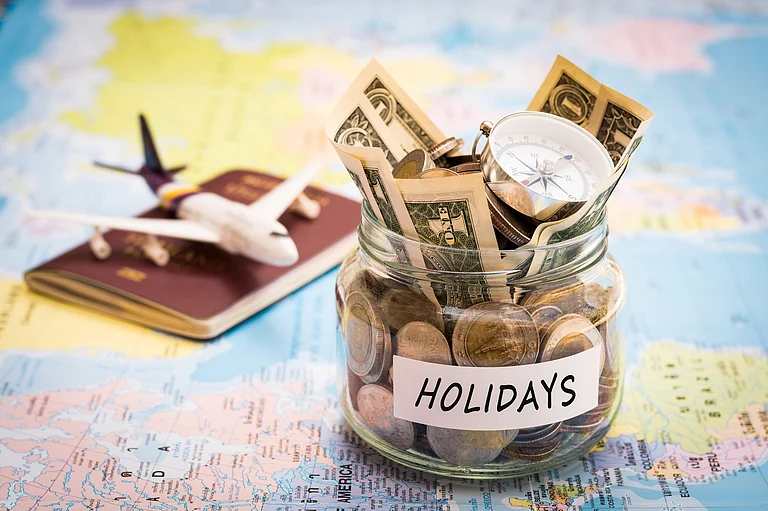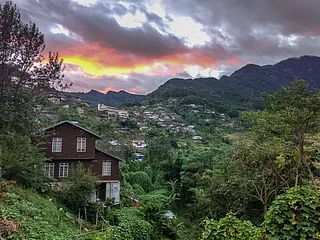


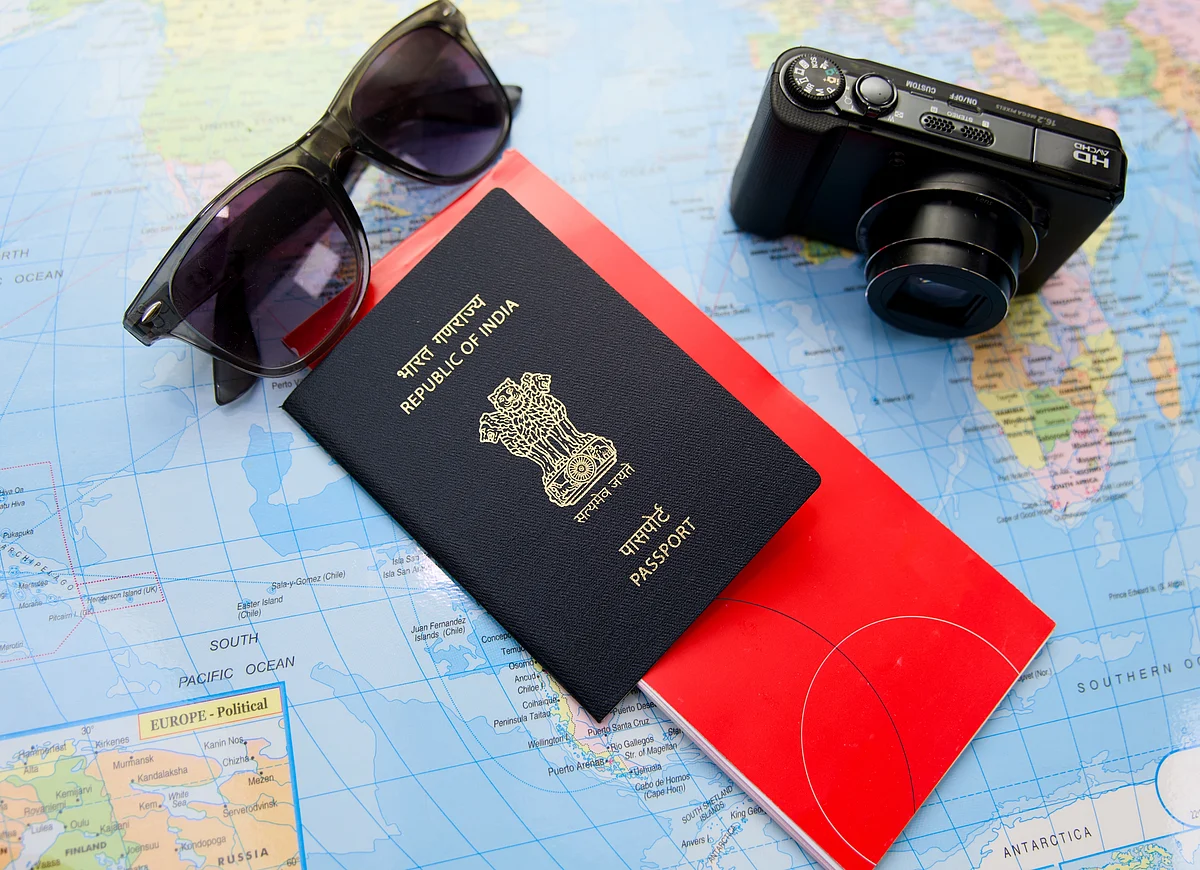
Travel may once have been seen as a luxury, but that perception is changing fast among Indians. A new study by Allianz Partners found that 86 per cent of respondents consider holidays a necessity rather than an indulgence, with many unwilling to give up their annual trips despite rising expenses. Instead, travellers are adjusting their plans to fit their budgets, choosing domestic getaways and experiences closer to home. The survey also points to a growing preference for travel insurance, suggesting that travellers are becoming more conscious of protecting themselves against unexpected disruptions and costs.
Travel Plans Hold Firm
The findings mirror a broader global trend. The Allianz Partners Global Travel Confidence Index found that nearly three-quarters (74 per cent) of people worldwide still plan to take a summer holiday in 2026, even as households contend with economic pressures, geopolitical uncertainty and shifting spending priorities. Based on a survey of 11,010 respondents across 10 markets, including India, China, Great Britain, France, Germany, and the United States, the research suggests travellers are not pulling back from holidays altogether. Instead, they are becoming more selective about how, where and why they travel, adapting their plans to changing circumstances while keeping travel firmly on the agenda.
Staying Closer To Home
Domestic holidays are proving popular this year, with 42 per cent of travellers globally planning a trip within their own country. Beach destinations, countryside retreats and mountain escapes top the list, while city breaks also remain a favoured choice.
India is among the strongest domestic travel markets, with 60 per cent of respondents saying they plan to holiday within the country. The trend points to travellers seeking affordable breaks closer to home, while markets such as Switzerland, the Netherlands, Great Britain, and Germany show a stronger preference for overseas travel.

Making Room For Travel
Higher prices continue to weigh on holiday plans, with 77 per cent of travellers globally concerned about rising costs. Yet most are unwilling to give up their annual break. The survey found that 86 per cent still prioritise taking a holiday, while 82 per cent said they feel a strong need to get away this year.
Instead of cancelling trips, many are trimming spending in other areas. Around three in five respondents said they are cutting back on non-essential purchases, while nearly half are adjusting their holiday plans to keep travel within budget.
Spending levels vary widely across markets. Travellers in India expect to spend around EUR 800 per trip on average, among the lowest figures in the survey, compared with EUR 2,580 in Switzerland and more than EUR 2,200 in both the United States and China.
Commenting on the findings, Anna Kofoed said the data points to a shift in travel habits rather than a drop in demand. "What we are seeing is not a decline in travel demand, but a clear evolution in how people travel. This is a more conscious traveller, but also a more resilient one, that is reshaping the entire travel landscape."
Her comments reflect the broader findings of the survey, which show travellers making budget-conscious decisions while continuing to prioritise holidays. "Even in the face of economic pressure and global uncertainty, holidays remain a non-negotiable lifeline to wellbeing and personal renewal."
Kofoed added that travel has become an important way for people to switch off from everyday pressures, despite concerns around rising costs and potential disruptions.
FAQs
Is travel still considered a luxury?
No. The study shows that 86 per cent of respondents now see holidays as a necessity rather than a luxury, with most prioritising annual travel despite rising costs.
Are people still planning to travel in 2026 despite high prices?
Yes. Around 74 per cent of global travellers still plan to take a summer holiday in 2026, although many are adjusting budgets and travel styles.
What kind of travel is becoming more popular?
Domestic and experience-led travel is growing. Many travellers are choosing shorter, closer-to-home trips that offer better value and flexibility.
How are rising costs affecting travel behaviour?
While demand remains strong, 77 per cent of travellers are concerned about higher prices. Many are cutting non-essential spending or scaling back holiday plans rather than cancelling trips.
Which countries are spending the most and least on travel?
Average spending varies widely. Switzerland (€2,580), the United States (€2,261) and China (€2,221) are