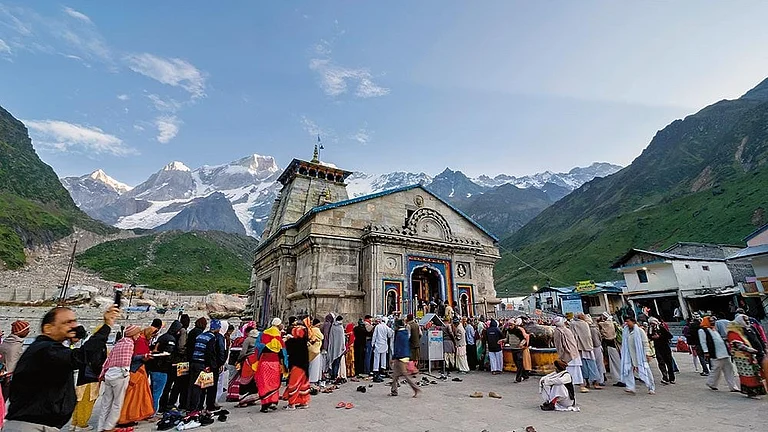


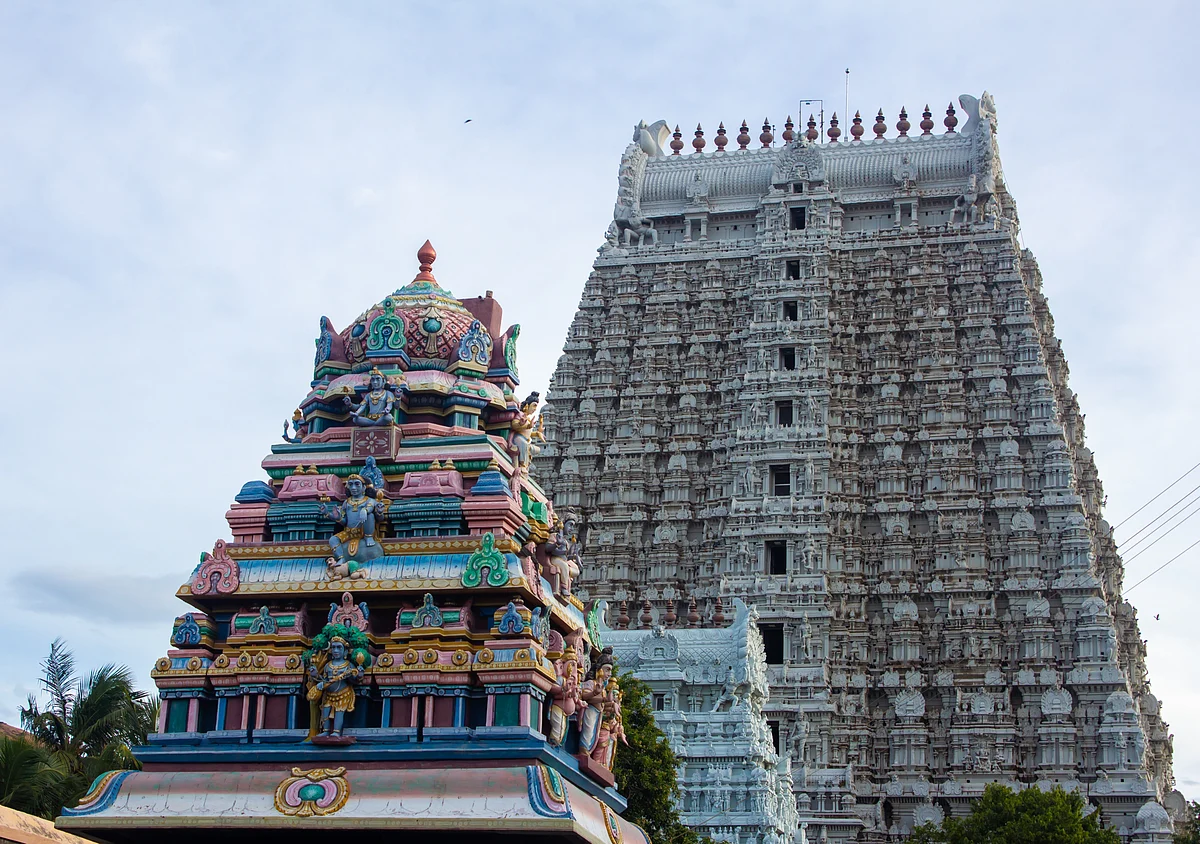
There was a time when temple trips were reserved for family pilgrimages, religious festivals or vows fulfilled after years of waiting. Today, they are finding a place on weekend calendars alongside hill station escapes and quick city breaks. A Friday night departure, darshan at dawn, local food, a day of slowing down, and home before Monday—India's newest travel trend isn't centred around luxury or adventure, but around faith. Increasingly, travellers are choosing what many are calling a "Faithcation": short spiritual getaways that blend devotion with the ease of a weekend holiday.
The shift reflects a broader change in how Indians are approaching travel. Experiences are becoming shorter, more intentional, and easier to fit into busy schedules. While beaches and mountains continue to draw weekend crowds, temple towns are attracting travellers looking for something different—a chance to disconnect from routine, spend time with loved ones and return home with a sense of renewal. Spiritual travel, once closely tied to annual traditions and festive calendars, is increasingly becoming an all-year activity.
Fresh findings from electric intercity bus operator Fresh Bus suggest that this isn't simply a passing preference. An analysis of active ticket bookings between April 2024 and May 2026, covering more than six lakh passengers, indicates that repeat temple travel is becoming increasingly common, particularly across some of South India's busiest pilgrimage routes.
Beyond Pilgrimage Travel
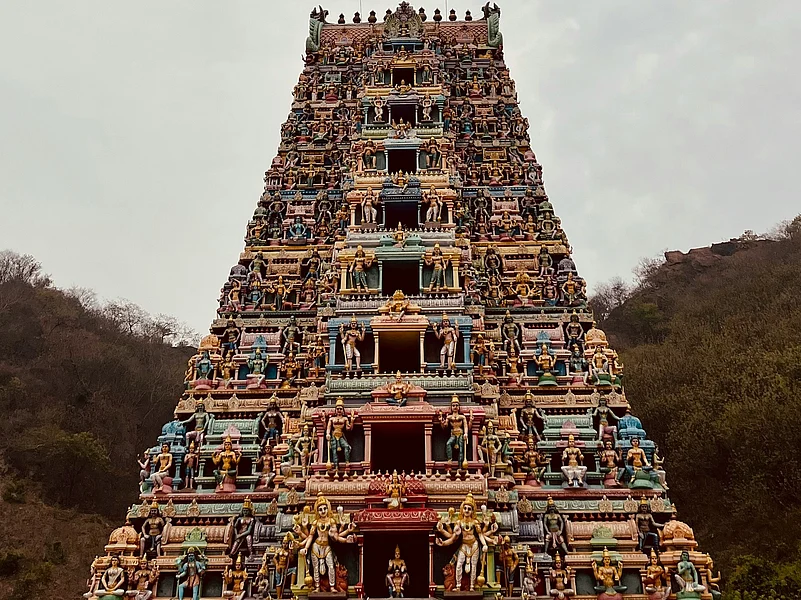

One of the strongest indicators of this changing behaviour comes from South India's temple circuits, particularly routes connected to Tirupati, one of the country's most visited pilgrimage destinations.
Fresh Bus recorded a 40 per cent increase in first-time travellers on its Tirupati-linked routes, with new customer additions growing from 58,079 in 2024 to 81,576 in 2025. More telling, however, is how many people are coming back. Over 52 per cent of passengers travelling on the Bengaluru–Tirupati corridor made multiple journeys during the two-year study period, while more than 5,100 devotees completed eight or more trips.
These numbers point to a larger shift in travel behaviour. Rather than viewing temple visits as rare occasions reserved for major religious events, many travellers now see them as accessible weekend experiences that can be repeated throughout the year. The appeal extends beyond worship. A short temple trip also offers time with family, a break from work, familiar regional food, and the comfort of a journey that can be completed over two or three days.
Passenger demand reflects this growing preference. The Hyderabad–Vijayawada route recorded a 13.1 per cent year-on-year increase in passenger volumes, while Bengaluru–Tirupati grew by 9.7 per cent over the same period. Together, the two corridors carried over 60,000 passengers during April and May 2025 alone. Fresh Bus also noted a 92 per cent year-on-year rise in devotees travelling to Tirupati from Vijayawada, Chennai and Bengaluru, reinforcing the growing popularity of these temple routes.
Weekend Escape Culture
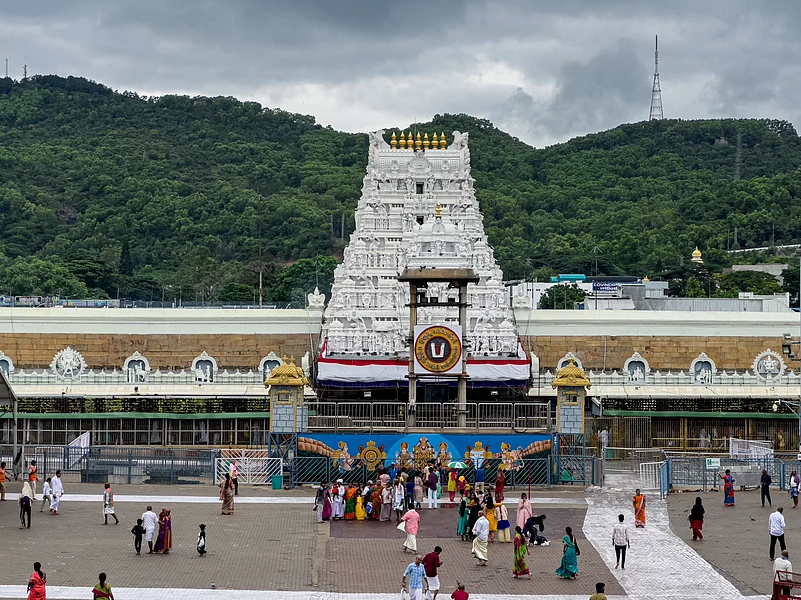
Perhaps the clearest sign that temple travel is becoming part of India's weekend getaway culture is when people are choosing to travel.
Nearly 46 per cent of all bookings on the Bengaluru–Tirupati corridor are made for journeys between Friday and Sunday, suggesting that travellers are increasingly using weekends to combine devotion with a short holiday. Instead of waiting for annual leave or festival dates, many are fitting spiritual trips into regular weekends, making them easier to plan and more frequent.
The numbers support this trend. Monthly ticket volumes on the Bengaluru–Tirupati route have almost doubled, rising from around 6,000 in April 2024 to more than 11,700 by March 2026.
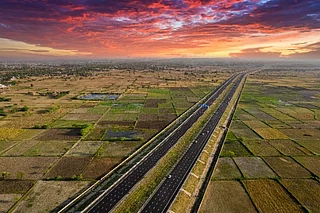
Accessibility is playing a major role in making these journeys more common. Improved road connectivity, comfortable intercity transport and digital booking platforms have reduced the effort traditionally associated with pilgrimage travel. For many travellers, organising a temple visit today can be almost as straightforward as planning a weekend city break.
Changing Traveller Habits

The Faithcation trend is also broadening the profile of India's spiritual traveller. Fresh Bus found increasing participation from women across major temple corridors, while senior citizens continue to make up a significant share of passengers. At the same time, demand from Tier-2 and Tier-3 cities is growing steadily, reflecting how organised travel options are making pilgrimage more accessible across different regions.
Nearly three-fourths of bookings on Tirupati-linked routes now originate through digital travel platforms, signalling growing comfort with app-based travel planning even among devotees from smaller towns and cities. This digital adoption is making repeat travel easier, encouraging more frequent visits rather than one-off annual journeys.
The trend also fits into a wider transformation taking place across India's tourism landscape. Travellers are increasingly looking for experiences that offer more than sightseeing alone. Wellness retreats, slow travel, cultural immersion and food-focused holidays have all gained popularity in recent years. Faithcations appear to be joining that list, blending spirituality with the ease and flexibility of modern travel.
As transport networks expand and short-distance travel becomes increasingly convenient, temple towns are likely to attract not only pilgrims but also travellers seeking meaningful breaks that fit into busy schedules. What was once considered a dedicated religious journey is gradually becoming another way Indians choose to spend a weekend—one that combines faith, reflection and the simple pleasure of getting away, even if only for a couple of days.
FAQs
Q1. What is a Faithcation?
A Faithcation is a short spiritual getaway that combines temple visits with leisure, relaxation and weekend travel.
Q2. Why are Faithcations becoming popular in India?
Travellers are seeking meaningful breaks that fit into busy schedules and offer both reflection and recreation.
Q3. Which destinations are driving the Faithcation trend?
Tirupati, Vijayawada and other major temple-linked corridors in South India are seeing strong growth.
Q4. Are people making repeat temple trips?
Yes. Many travellers are visiting temple destinations multiple times a year instead of once annually.
Q5. What does the trend say about Indian travel habits?
It shows a growing preference for shorter, purpose-driven trips that blend faith, family time and convenience.