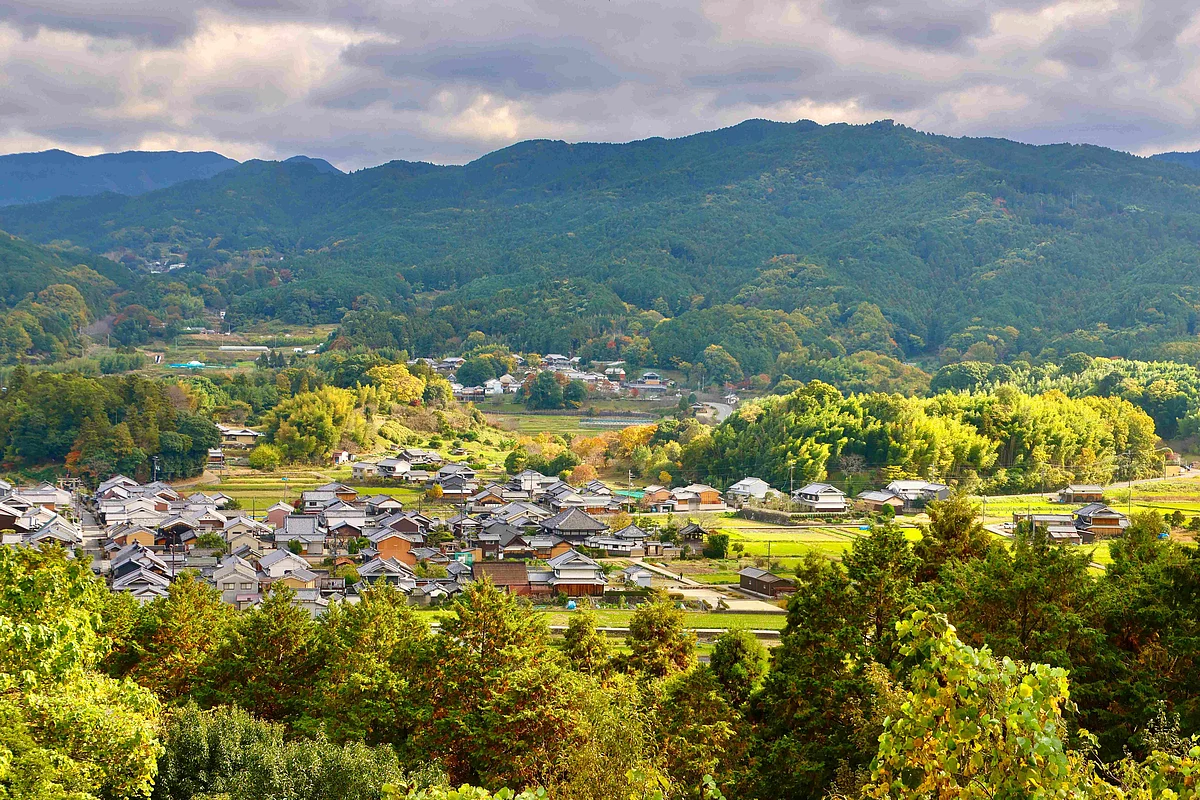
Japan is one step closer to adding another landmark to its list of UNESCO World Heritage Sites. An advisory body to UNESCO has recommended inscribing the Asuka-Fujiwara archaeological sites in Nara Prefecture on the World Cultural Heritage list, marking a significant milestone for one of the country's most important ancient landscapes.
The recommendation was announced by UNESCO after the International Council on Monuments and Sites (ICOMOS), the organisation responsible for evaluating cultural heritage nominations, concluded that the sites meet the requirements for inscription.
The final decision is expected at the UNESCO World Heritage Committee meeting, scheduled to take place in Busan, South Korea, from July 19 to 29. ICOMOS recommendations are typically adopted by the committee, making the inscription highly likely.
What Are The Asuka-Fujiwara Sites?
The Asuka-Fujiwara archaeological sites comprise 19 locations dating from the sixth to eighth centuries, a crucial period in Japan’s history when the foundations of the country's centralised government were established.
Spread across Asuka Village and the cities of Kashihara and Sakurai in Nara Prefecture, the sites include the remains of the Asuka and Fujiwara palaces, ancient temples, and burial mounds. One of the most famous is the Takamatsuzuka Tomb, known for its vividly coloured wall paintings that offer rare insights into life during the era.
Together, these remains record Japan's transition from regional powers to a centralised state.
Why UNESCO Considers Them Important
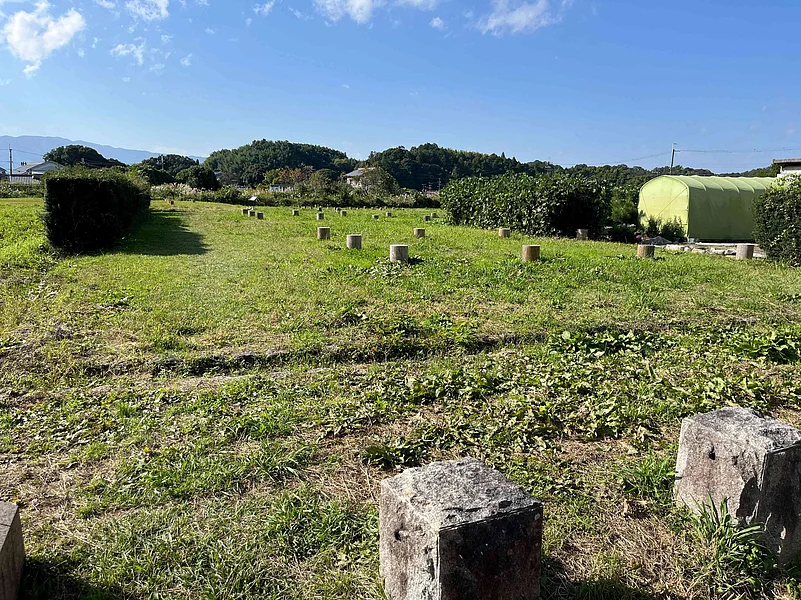

According to Japan’s nomination, the Asuka-Fujiwara sites represent an unparalleled record of political, social, and cultural transformation in East Asia.
ICOMOS determined that the archaeological complex demonstrates an ancient administrative system and the formation of an early Japanese state. It also found the nominated properties and conservation measures appropriate and compliant with UNESCO's criteria.
The panel further encouraged Japan to continue studying ways to preserve and restore murals removed from ancient burial mounds and to consider designating the entire Fujiwara Palace ruins as a protected historic site in the future.
A Long Road To Recognition
The journey toward World Heritage recognition has been lengthy.
The Asuka-Fujiwara sites were first added to UNESCO’s tentative list in 2007, which is a prerequisite for formal nomination. However, demonstrating the sites' "outstanding universal value," one of UNESCO’s key requirements, took years of research, documentation, and preservation work.
Since 2020, local authorities submitted draft recommendations to Japan's Agency for Cultural Affairs on four occasions. The Japanese government submitted its official nomination to UNESCO in January 2025.
Later that year, ICOMOS experts conducted an on-site evaluation to assess the archaeological remains, conservation efforts, and management plans before issuing their recommendation.
What It Means For Japan
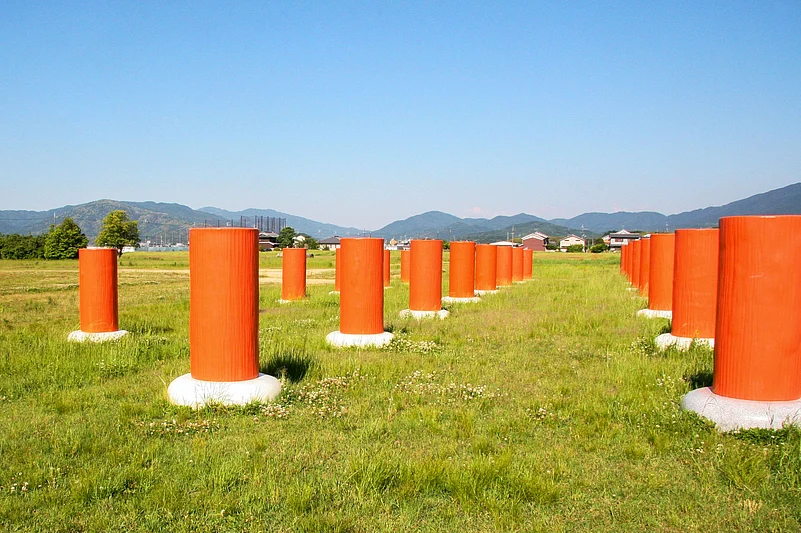
If officially inscribed in July, the Asuka-Fujiwara sites will become Japan's 22nd UNESCO World Cultural Heritage site.
The country currently has 21 cultural heritage sites and five natural heritage sites, for a total of 26 UNESCO World Heritage properties. Asuka-Fujiwara would raise that figure to 27.
Japan's most recent cultural heritage inscription came in 2024, when the Sado Island Gold Mines in Niigata Prefecture were added to the World Heritage List.
Officials from Japan's Agency for Cultural Affairs welcomed the recommendation, noting that it reflects growing international recognition of the historical significance of the ancient capitals.
For travellers and history enthusiasts, the likely inscription also highlights Nara Prefecture, offering another reason to explore one of Japan's most culturally rich regions.
(With inputs from various sources)
FAQs
1. What are the Asuka-Fujiwara Sites?
The Asuka-Fujiwara Sites are a collection of 19 archaeological locations in Nara Prefecture that date from the sixth to eighth centuries and document the formation of early Japan.
2. Where are the Asuka-Fujiwara Sites located?
They are spread across Asuka Village and the cities of Kashihara and Sakurai in Nara Prefecture, Japan.
3. Why are the sites important?
They represent the political, cultural and administrative transformation that led to the establishment of Japan's early centralised state.
4. What is the Takamatsuzuka Tomb?
The Takamatsuzuka Tomb is an ancient burial mound famous for its colourful wall paintings depicting life during the Asuka period.
5. Has UNESCO officially inscribed the sites?
Not yet. ICOMOS has recommended inscription, and the final decision will be made by the UNESCO World Heritage Committee.
6. How many UNESCO World Heritage Sites does Japan currently have?
Japan currently has 26 UNESCO World Heritage properties, including 21 cultural and five natural heritage sites.