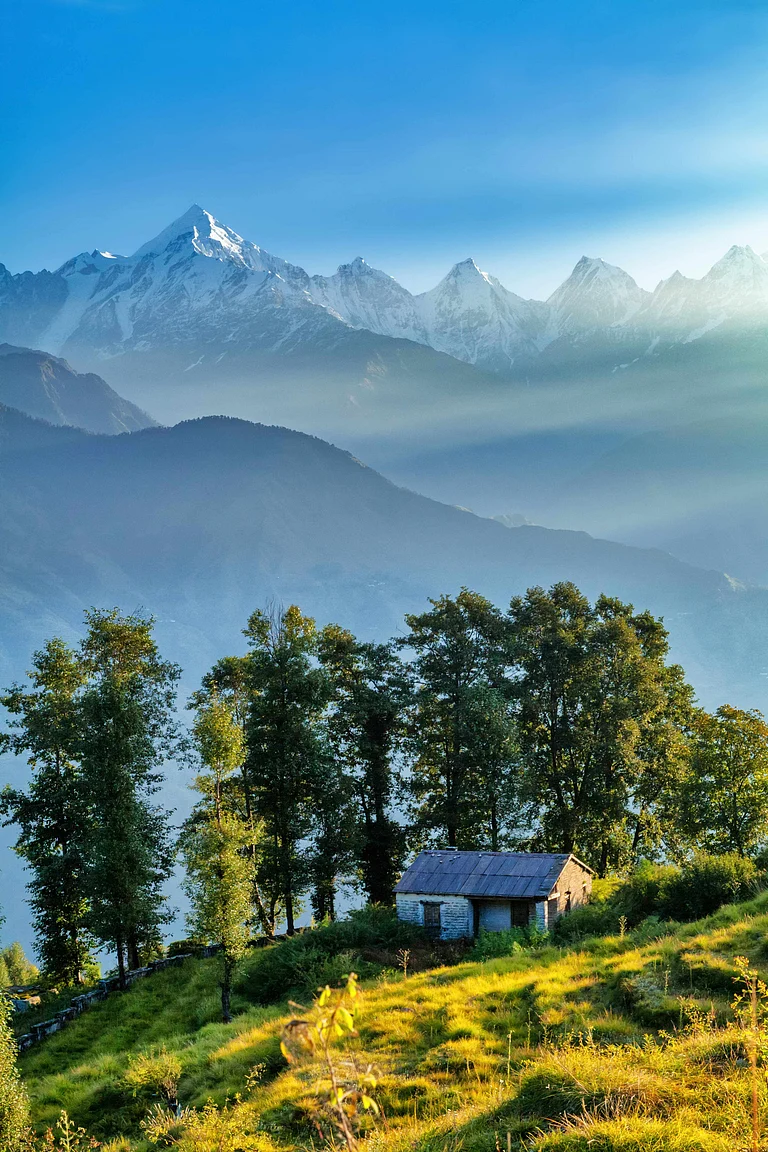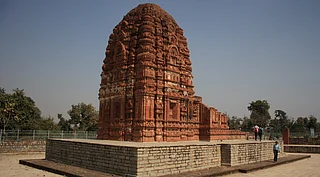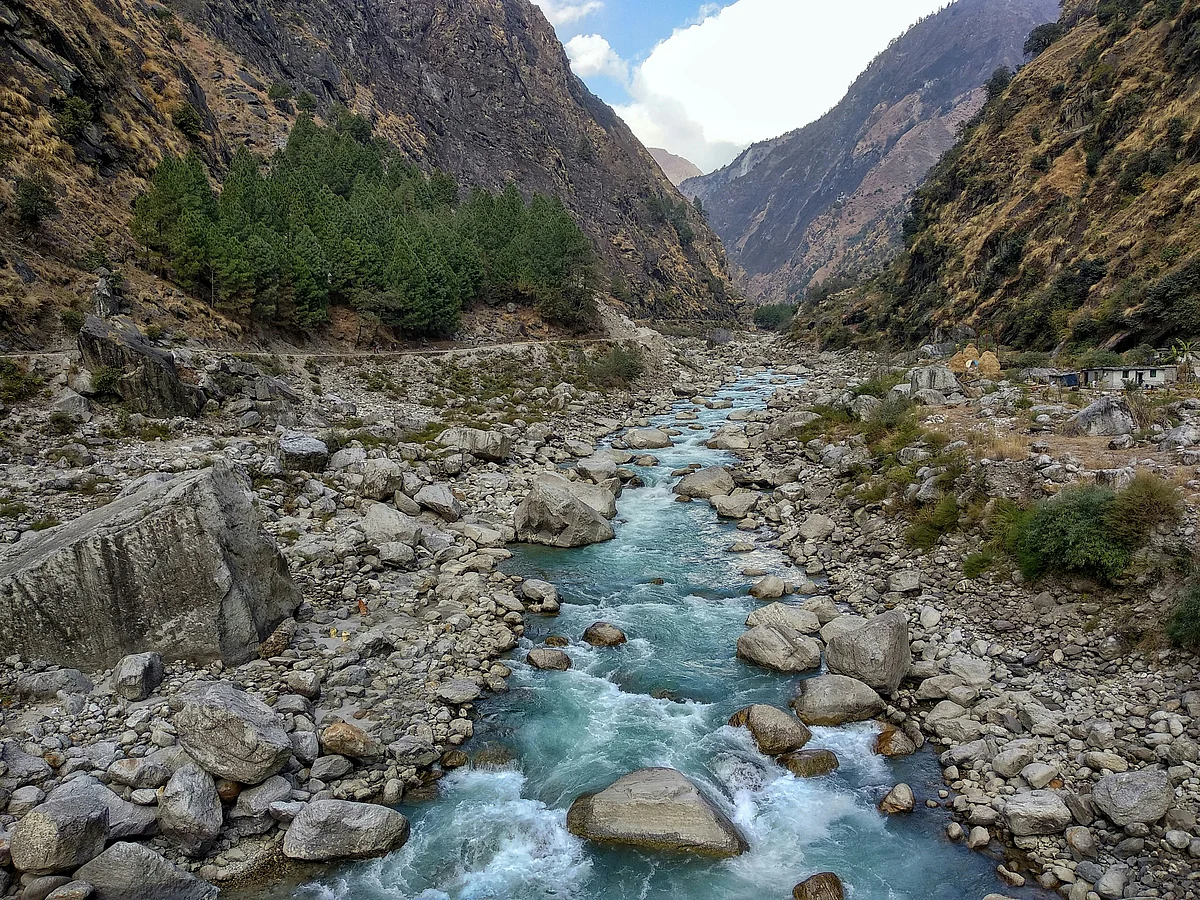
Uttarakhand’s dramatic landscapes, religious significance, and rich biodiversity are etched in the popular imagination. But there is something else that is exciting scientists: the presence of stromatolite fossils. A recent team from Ram Lal Anand College, University of Delhi, has highlighted the presence of these fossil colonies, which are regarded as among the earliest evidence of life on Earth. This adds another layer of significance to this Himalayan state.
The Discovery That Could Put Pithoragarh On The Global Map
The name stromatolite derives from the Greek, stroma meaning mattress and lithos meaning rock. Stromatolite literally means layered rock. These are living fossils, and the oldest living lifeforms on our planet. They were created by cyanobacteria, commonly known as the blue-green algae, which developed the ability to perform photosynthesis when the young Earth was hot, volcanically active, and unsuitable for complex life. The oxygen released from these microorganisms shaped the planet’s atmosphere and helped create conditions suitable for complex life. Over millions of years, the microbial layers hardened and fossilised into stromatolites.
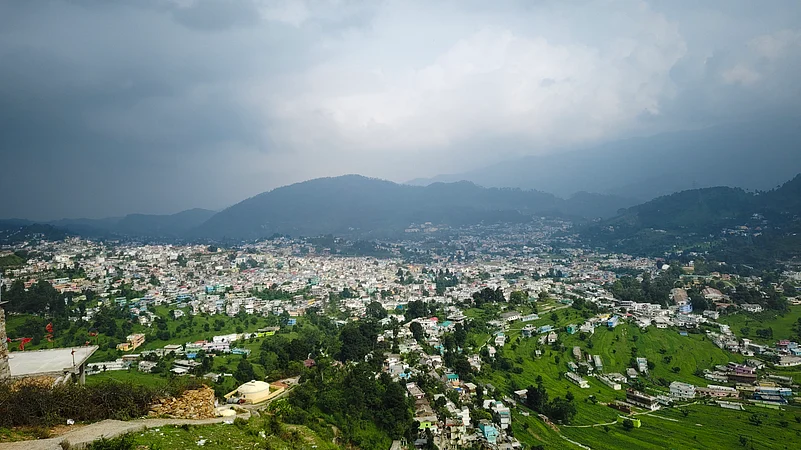
The presence of these in Pithoragarh, in the Kumaon division of Uttarakhand, can put it in the running to become India’s first UNESCO Global Geopark. The research team presented the highlights of their findings at the KMSB Himalayan Inter College in Chaukori. They also documented rare fossils, minerals, caves, and several historically and prehistorically significant sites across the district. Not only Pithoragarh, but also the adjoining areas of Berinag, Gangolihat, and Chaukori possess these striking geopolitical formations, which warrant further investigation.

Why UNESCO Global Geoparks Matter
UNESCO Global Geoparks are single, unified geographical areas where sites and landscapes of international geological significance are managed with a holistic concept of protection, education, and sustainable development. Their bottom-up approach of combining conservation with sustainable development while involving local communities is becoming increasingly popular.
At present, there are 229 UNESCO Global Geoparks in 50 countries. India is yet to have one. Another site in the bid to make it to the list is Visakhapatnam, Andhra Pradesh. The geological features of this area stand out with the red sand dunes of Erra Matti Dibbalu, natural rock formations in the Eastern Ghats, the one-million-year-old Borra Caves, and volcanic ash deposits from the eruption of Mount Toba. Loktak Lake in Manipur is yet another proposed site owing to its unique Quaternary geological setting.
FAQs
1. Why is Pithoragarh being considered for UNESCO Global Geopark status?
The discovery of ancient stromatolite fossils, along with the district's caves, minerals, and other geological formations, has strengthened its case for UNESCO Global Geopark recognition.
2. What are stromatolites?
Stromatolites are layered rock formations created by cyanobacteria. They are among the oldest known evidence of life on Earth and played a key role in increasing oxygen levels in the planet's atmosphere.
3. Does India have a UNESCO Global Geopark?
No. India currently does not have any UNESCO Global Geoparks, although Pithoragarh, Visakhapatnam, and Loktak Lake are among the sites being considered.
4. What is a UNESCO Global Geopark?
A UNESCO Global Geopark is a region with geological sites of international significance that are managed to promote conservation, education, research, and sustainable local development.
5. Which areas in Uttarakhand are part of the proposed geopark region?
Besides Pithoragarh, researchers have identified Berinag, Gangolihat, and Chaukori as areas with significant geological formations that merit further scientific investigation.