

India’s ancient heritage has received fresh international attention with the inclusion of the Udayagiri Caves in Madhya Pradesh on UNESCO’s World Heritage Tentative List. Dating primarily to the Gupta period, the rock-cut complex is renowned for its early Hindu iconography, intricate sculptures and historical inscriptions. The addition brings renewed focus to a site that offers valuable insight into the evolution of Indian temple architecture and religious art.
Udayagiri Caves: An Important Legacy Of The Gupta Period
Located near Vidisha in Madhya Pradesh, the Udayagiri Caves comprise a group of 20 rock-cut caves developed primarily under Gupta patronage between the late 4th and early 5th centuries CE.
The complex is considered an important landmark in the development of early Hindu sacred architecture. Its caves contain sculptural panels, inscriptions, shrines and architectural features that illustrate how religious imagery, royal patronage and sacred landscapes came together during the Gupta era.
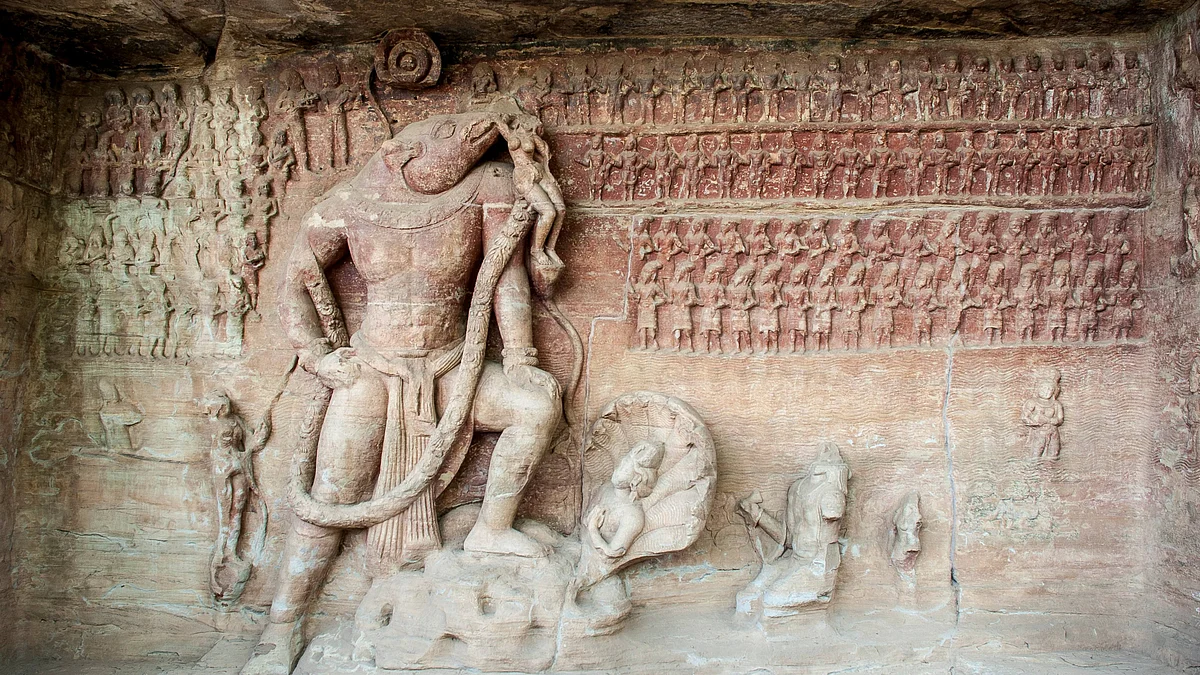
Among its most celebrated features is the monumental Varaha sculpture in Cave 5, depicting Lord Vishnu in his boar incarnation rescuing the Earth. Another significant artwork is the Anantasayana Vishnu panel in Cave 13, which depicts Vishnu reclining on the serpent Ananta.
The site also contains Shaiva and Jain elements, reflecting the religious diversity of the period. Inscriptions associated with Gupta rulers, including Chandragupta II and Kumaragupta I, provide historical evidence of royal patronage and the site's cultural significance.
UNESCO's nomination highlights Udayagiri as an important example of the transition from rock-cut religious architecture to the development of freestanding Hindu temples. Its significance extends beyond individual sculptures to the way the caves, pathways, natural landscape and water features form an integrated sacred complex.
India Now Has 81 Sites On UNESCO's Tentative List
With Udayagiri's inclusion, India continues to expand its representation on UNESCO's World Heritage Tentative List. According to the UNESCO World Heritage Centre's latest country listing, revised on September 28, 2026, India has 81 sites on the Tentative List.
The list includes cultural, natural and mixed heritage nominations from across the country. It serves as a preliminary inventory of properties that a country considers suitable for potential World Heritage nomination.
It is important to note that inclusion on the Tentative List does not mean a site has received UNESCO World Heritage status. It is a necessary step before a country can formally nominate a property for inscription on the World Heritage List. The nomination subsequently undergoes evaluation before the World Heritage Committee makes a decision.
Which New Sites Have Been Added To India's UNESCO Tentative List In 2026?
Several Indian heritage properties have joined the Tentative List in 2026.

1. Bagh Cave Paintings, Madhya Pradesh: A group of nine Buddhist rock-cut caves on the banks of the Baghni River, known for their ancient murals and distinctive sandstone architecture.
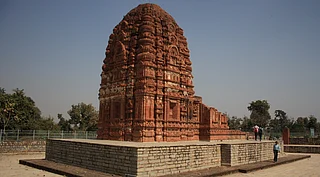
2. Group of Temples of the Chambal Valley, Madhya Pradesh: A collection of historic temple complexes at Bateshwar, Padavali and Kakarmath, representing the region's architectural heritage.
3. Udayagiri Caves, Madhya Pradesh: The Gupta-period rock-cut complex featuring 20 caves, including the celebrated Varaha and Anantasayana Vishnu sculptures.
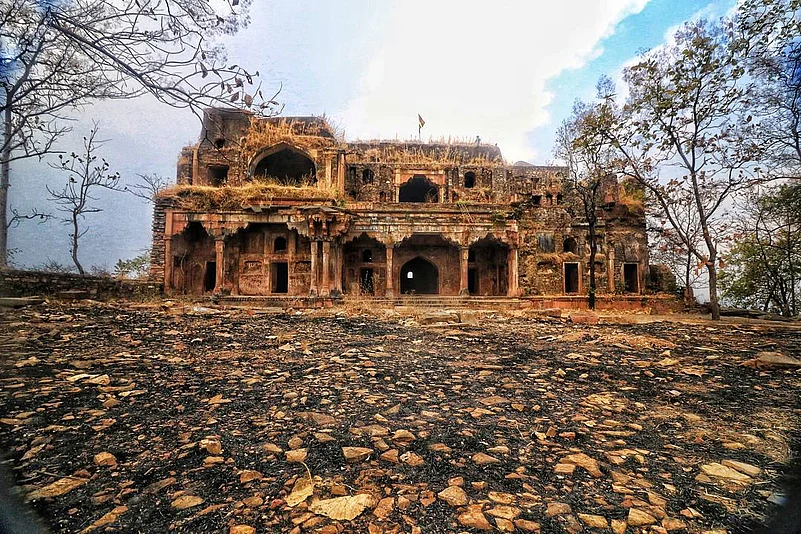
4. Ginnorgarh Fort, Madhya Pradesh: A historic stronghold associated with the Raj Gond rulers, which served as an important fortified capital.
5. The Sites of Satyagraha: The Emergence and Institutionalisation of the Non-Violent Movement: A proposed transnational nomination covering nine locations in India and South Africa associated with the evolution of Mahatma Gandhi's philosophy of Satyagraha.
The UNESCO listing also records three further entries dated September 28, 2026, which bring its current tally to 81:
Karst-mud-volcano Complex of Baratang, Andaman and Nicobar Islands.
Andaman Subduction Volcanoes, Andaman and Nicobar Islands.
Sirpur Cultural and Archaeological Landscape, Chhattisgarh.
The inclusion of Udayagiri Caves adds another significant chapter to India's growing heritage portfolio, drawing attention to the country's rich architectural, artistic, and religious history. While a place on UNESCO's Tentative List is only an initial step towards World Heritage recognition, it brings these lesser-known historical treasures into the international spotlight and strengthens the case for their conservation and wider appreciation.
FAQs
1. Why have the Udayagiri Caves been added to UNESCO's Tentative List?
The Udayagiri Caves are significant for their Gupta-period rock-cut architecture, monumental sculptures, religious iconography and historical inscriptions.
2. Where are the Udayagiri Caves located?
The Udayagiri Caves are located near Vidisha in Madhya Pradesh, India.
3. How many sites does India have on UNESCO's World Heritage Tentative List?
India has 81 sites on UNESCO's World Heritage Tentative List, according to the latest listing referenced in November 2026.
4. Which Indian sites were recently added to UNESCO's Tentative List in 2026?
Recent additions include the Bagh Cave Paintings, Group of Temples of the Chambal Valley, Udayagiri Caves and Ginnorgarh Fort in Madhya Pradesh, the Sites of Satyagraha, Baratang's Karst-mud-volcano Complex, Andaman Subduction Volcanoes and Sirpur Cultural and Archaeological Landscape.
5. Does inclusion on UNESCO's Tentative List mean a site is a World Heritage Site?
No. Tentative List inclusion is a preliminary step towards possible World Heritage nomination. A site must undergo a formal evaluation before UNESCO can grant it World Heritage status.