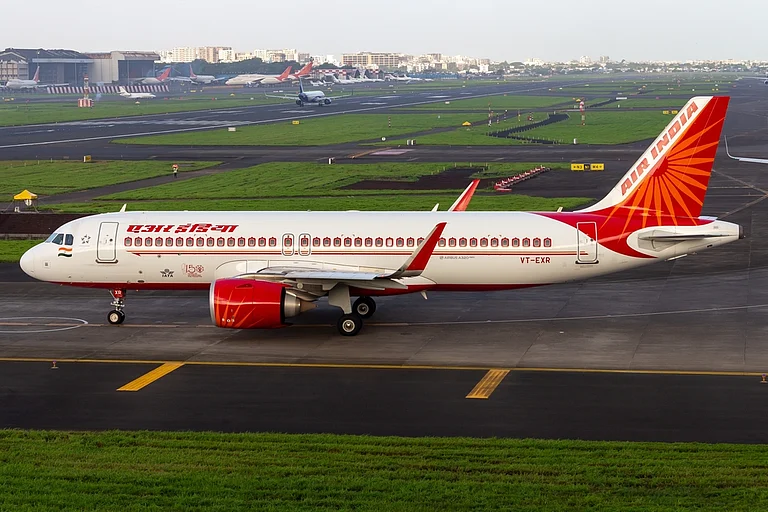
Passengers may have to wait longer for more affordable seat selection: the government has suspended its 60 per cent free seat rule after airlines argued it threatened their revenue and operational flexibility.
The Civil Aviation Ministry on Thursday, April 2, put on hold a recent directive that would have required airlines to allow passengers to select at least 60 per cent of seats on any flight without paying a seat-selection fee.
Announced less than three weeks ago as part of a passenger rights initiative, the rule was due to take effect soon but has now been suspended. In its notification, the ministry said it reviewed the March order following representations from the Federation of Indian Airlines, which cited operational and commercial concerns, including potential effects on fares and alignment with the deregulated tariff system.
Reasons For The Rollback
The rollback came after strong lobbying from airlines, including the Federation of Indian Airlines. Concerns included potential increases in base ticket prices, loss of ancillary revenue, and operational challenges amidst high fuel costs.
Airlines' Opposition: Major carriers (IndiGo, Air India, SpiceJet, Akasa Air) under the Federation of Indian Airlines (FIA) argued the 60 per cent rule was overly restrictive and threatened a key revenue stream.
Commercial Impact: Carriers raised objections that losing seat selection fees—which contribute significantly to their revenue—would hurt their financial stability.
Pressure on Ticket Prices: Airlines warned that if they were forced to make 60 per cent of seats free, they would likely increase base airfares to offset the revenue loss. Carriers warned that losing income from seat selection would force them to increase base fares for all passengers to stay profitable.
Deregulated Tariff Regime Incompatibility: The Federation of Indian Airlines stated the mandate contradicted the existing deregulated tariff structure, where airlines have the freedom to set charges.
Industry Representation: The Federation of Indian Airlines argued that the rule interfered with their operational flexibility and the, which allows carriers to set their own fares.
Financial Strain from Fuel Costs: The rollback was heavily influenced by rising Aviation Turbine Fuel (ATF) costs due to conflicts in West Asia. Rising fuel prices, coupled with operating in a challenging economic environment, pressured the government to backtrack on the mandate.
No Stakeholder Consultation: Industry stakeholders highlighted that the mandate was announced without proper consultations with carriers.
The directive, which was intended to improve passenger convenience by allowing more free seat selections, was put on hold "until further orders" to allow for a "comprehensive examination" of the concerns raised. The existing system, where only about 20 per cent of seats are generally free, will remain in place for now.
West Asia Crisis Impact
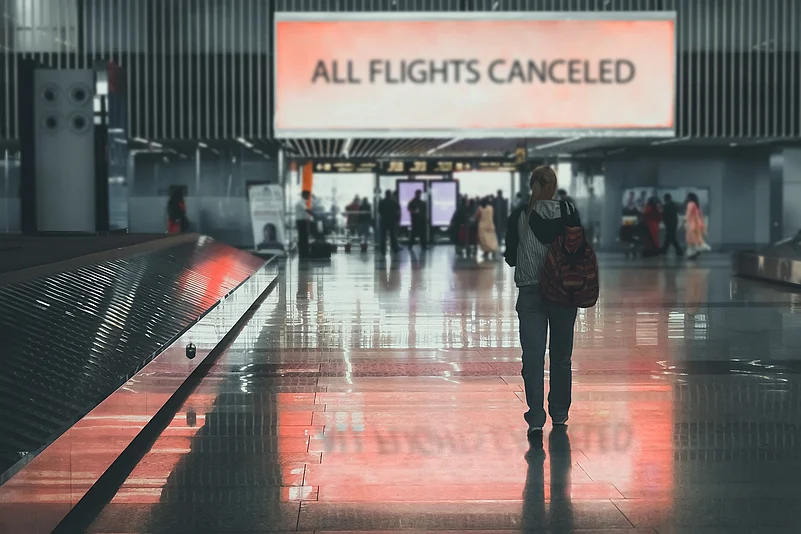

Flight Disruptions & Rerouting: Significant airspace restrictions have forced airlines to cancel or reroute thousands of flights, particularly between Asia, Europe, and Africa, leading to longer flight times.
Surging Operating Costs: Airlines are experiencing higher fuel burn due to longer routes, along with increased war-risk insurance premiums.
Impact on Indian Carriers: Indian airlines are heavily impacted, with around 15–20 per cent of their revenue originating from the West Asia region. They have faced thousands of flight cancellations and are grappling with rising costs.
Ticket Fare Hikes: Several airlines have increased fuel surcharges, leading to higher airfares and reduced passenger traffic.
Reduced Connectivity: The crisis has created uncertainty and forced a reduction in flight frequencies to major hubs in the region, including Dubai and Doha.
FAQs
Why did the government roll back the 60 per cent free seat mandate?
The rollback followed strong lobbying from airlines, which cited potential fare increases, loss of ancillary revenue, and operational challenges amid high fuel costs.
What was the commercial concern?
Airlines warned that losing seat selection fees—a key revenue stream—would threaten financial stability.
Was the rule compatible with current fare structures?
The FIA said it conflicted with India’s deregulated tariff regime.
Were stakeholders consulted before the rule?
Industry representatives said there was insufficient consultation before the mandate.
Did fuel prices influence the decision?
Yes, rising Aviation Turbine Fuel costs and a challenging economic environment contributed to the rollback.