


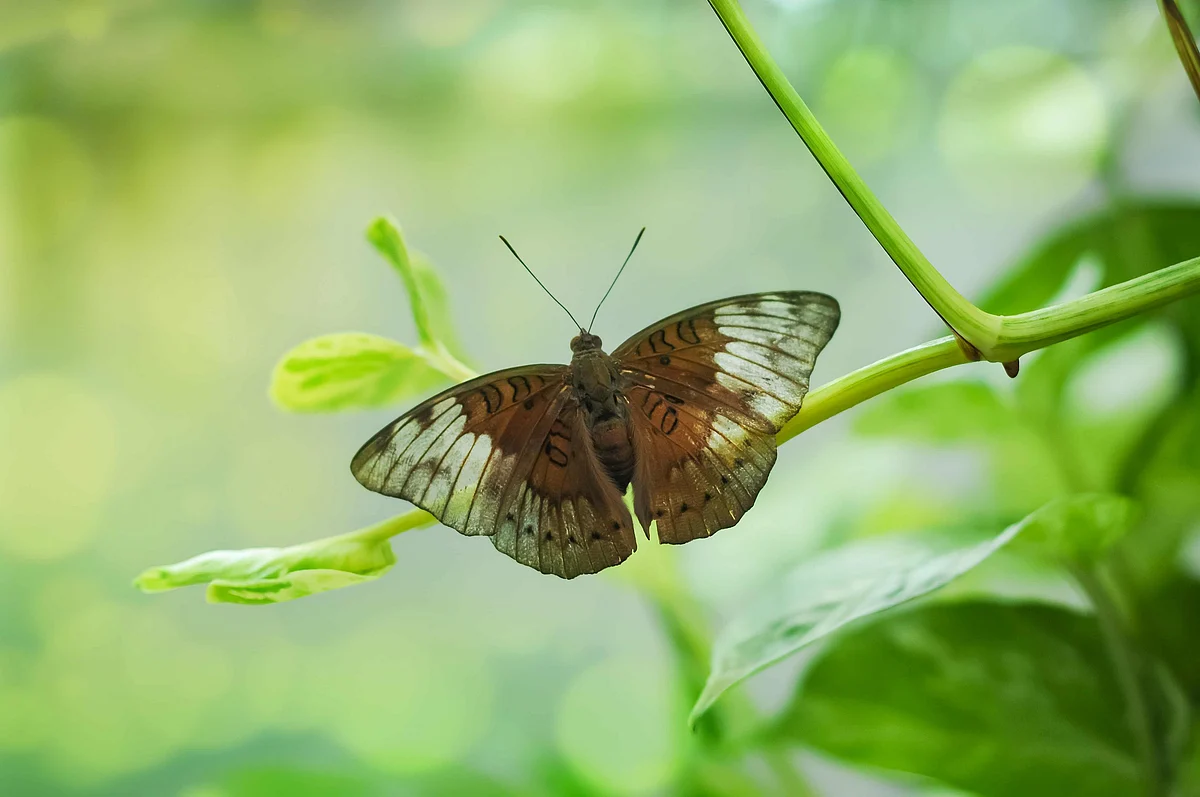
A previously unknown butterfly species has been found in Arunachal Pradesh’s forests and named after Assamese singer and cultural icon Zubeen Garg. Scientists found Euthalia (Limbusa) zubeengargi in the Basar region of Leparada district, a biodiversity hotspot still underexplored in Northeast India.
This discovery stands out for its scientific significance and as a tribute to one of Assam’s most cherished cultural figures, creating a meaningful connection between biodiversity and regional identity.
New Butterfly Species Discovered In Arunachal Pradesh
The new butterfly species was discovered during field surveys conducted in 2025 by researchers Roshan Upadhaya and Kalesh Sadasivan. Their findings have been published in Entomon, a peer-reviewed journal of the Association for the Advancement of Entomology.
Upadhaya, a PhD scholar and member of the Arunachal Pradesh Police, collaborated with Sadasivan of the Travancore Natural History Society to confirm the species as new to science. The researchers observed the butterfly in semi-evergreen forests at elevations between 600 and 750 metres.
Despite repeated surveys over several months, only two male specimens were recorded: one collected and another photographed in its natural habitat, highlighting the species’ rarity.
Why ‘Basar Duke’ Is Considered Extremely Rare
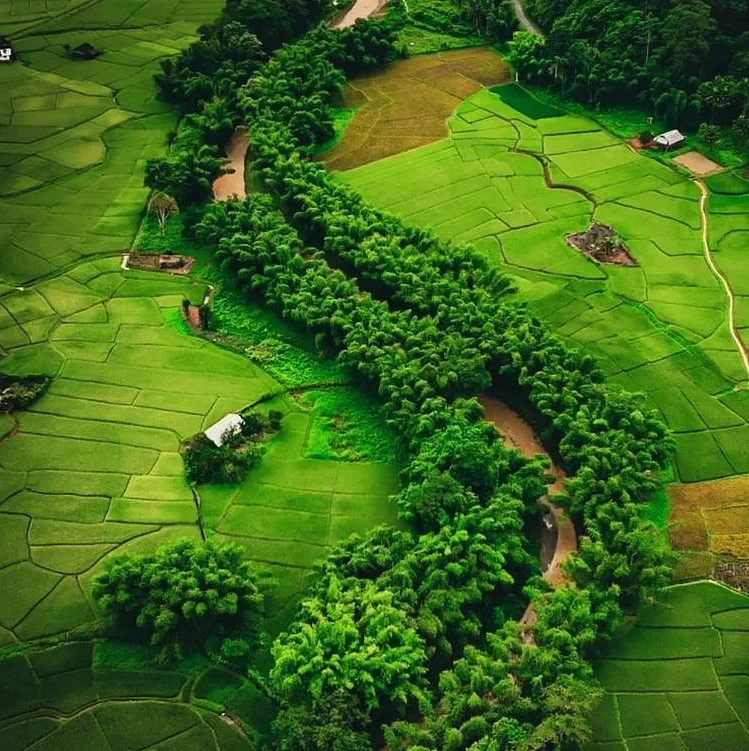

The butterfly has been named “Basar Duke” after the region of its discovery. Limited sightings suggest it is highly localised or naturally scarce.
The study notes that despite targeted surveys, no additional individuals were found. This raises important questions about the butterfly's population size and conservation needs.
Its restricted habitat and low detection rate suggest it is vulnerable to environmental changes, especially in the Eastern Himalayas.
The discovery adds a new species to the many already identified in Northeast India, a global biodiversity hotspot. The Euthalia genus alone includes more than 80 species in the region.
Experts say such findings highlight the ecological richness of Arunachal Pradesh and the urgent need for conservation. The discovery also underscores how much remains unknown about the flora and fauna of these forests.
Researchers have noted that key aspects of the butterfly’s life cycle, such as its breeding patterns and host plants, are still unknown, leaving room for further study.
Distinct Features That Set It Apart
Belonging to the Euthalia genus, a group commonly found across South and Southeast Asia, the Basar Duke stands out for its unique physical characteristics.
It is identified by olive-brown wings with subtle white patterns and a striking turquoise-green underside. Detailed examination of its wing patterns and male anatomical structures confirmed it is distinct from all previously known species.
Such morphological differences are crucial in butterfly taxonomy, helping scientists classify and differentiate closely related species.
Field observations suggest that Euthalia zubeengargi thrives in cool, shaded forest interiors with dense vegetation. The butterfly is typically seen resting on low plants within the forest understory.
Researchers observed that it feeds on tree sap and occasionally gathers minerals from damp soil or stream edges. Its activity peaks from late morning to early afternoon, when it makes short, slow flights between nearby plants.
The species appears to depend heavily on moist, undisturbed forest conditions, making its habitat a key factor in its survival.
Named After Zubeen Garg: A Cultural Tribute
The butterfly's name is a tribute to Zubeen Garg, a celebrated singer, composer, and cultural icon from Assam, who passed away on September 19, 2025.
The scientific name zubeengargi is a Latinised form of his name, used in the masculine genitive sense to mean “of Zubeen Garg.” According to Upadhaya, the naming reflects admiration from the scientific community, nature lovers, and people of the region.
Reacting to the honour, Garg’s wife, Garima Saikia Garg, shared an emotional message, expressing joy at seeing his legacy connected to nature.
(With inputs from various sources.)
FAQs
1. What is the ‘Basar Duke’ butterfly?
Basar Duke’ butterfly is a newly discovered butterfly species found in Arunachal Pradesh and scientifically named Euthalia zubeengargi.
2. Why is the butterfly named after Zubeen Garg?
The new butterfly species was named in honour of Assamese singer Zubeen Garg as a tribute to his cultural influence.
3. Where was the butterfly discovered?
It was discovered in the Basar region of Leparada district in Arunachal Pradesh.
4. Why is the species considered rare?
Only two male specimens have been recorded despite extensive surveys, suggesting a highly limited population.
5. What makes this discovery important?
It highlights the rich biodiversity of Northeast India and the need for further exploration and conservation.



.jpg?w=320&auto=format%2Ccompress&fit=max&format=webp&dpr=1.0)