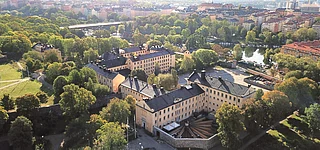


The University of Oxford's Pitt Rivers Museum in the UK has formally handed over 39 ancestral human remains, primarily skulls, belonging to Naga communities to India, more than a century after they were taken during British colonial rule. The handover took place at a ceremony on November 9, 2026, attended by a delegation of nearly 30 representatives from Nagaland. The remains will now be brought back to their homeland and laid to rest beneath a shared memorial at Naga Solidarity Park in Kohima.
The repatriation follows a six-year process involving the museum, Naga community organisations and tribal representatives, who have sought the return of their ancestors and greater recognition of the circumstances in which the remains entered colonial collections. The University of Oxford approved the return of 39 remains in July 2026, following a formal request from Naga organisations. The handover marks a significant development in the ongoing effort to return Indigenous ancestral remains held in museums outside their communities of origin.
How Naga Ancestral Remains Reached Oxford
The Pitt Rivers Museum holds the world's largest collection of Naga material, comprising several thousand objects acquired largely during British colonial rule in India and Burma, now Myanmar. Most of the ancestral remains in its collection were brought to Oxford between approximately 1910 and 1940 by John Henry Hutton and James Philip Mills, British colonial administrators who also worked as anthropologists. Hutton was among the first to transfer Naga ancestral remains to the museum, more than a century ago.
The museum's records list 39 ancestral human remains, primarily skulls, alongside 178 objects containing or potentially containing human hair. Its account of the collection acknowledges that the acquisition of these materials was frequently associated with colonial military expeditions, during which objects and human remains were confiscated rather than voluntarily surrendered. Mills' records, for instance, refer to the 1936 Pangsha Expedition, during which he travelled with an armed escort to demand heads from a village.
The history of these remains also requires context beyond the colonial-era documentation of Naga headhunting practices. Although headhunting existed among Naga communities, the practice of retaining the heads of enemies does not explain the history of every skull in the collection. Some communities also preserved and cared for the heads of their own chiefs and ancestors. Anthropologist Dolly Kikon, who helped connect the museum with Naga representatives, has identified one of the remains being returned as that of a chief.
The remains had been kept at the museum for decades, with some displayed to visitors. In 2020, the Pitt Rivers Museum removed all human remains from public display as part of its efforts to address the colonial history and ethical questions surrounding its collections. This decision subsequently opened the way for discussions with Naga representatives about their return.


A Six-Year Process Led By Naga Organisations
The repatriation process began in 2020, when Kikon approached museum director Laura Van Broekhoven and offered to facilitate communication with the Naga community. The museum subsequently worked with the Forum for Naga Reconciliation (FNR) and its Recover, Restore and Decolonise (RRaD) team, alongside tribal Hohos, elders, churches and communities across the Naga homeland. The process involved research, consultations and discussions about the identification, care and eventual return of the remains.
In June 2025, a formal Naga delegation visited Oxford, marking the first such visit to the museum by representatives of the community. The delegation included leaders and elders from several Naga tribal Hohos, along with members of the FNR and RRaD. They were given access to the ancestral remains and placed traditional shawls representing different Naga tribes alongside them. The visit also led to the Naga-Oxford Declaration on Repatriation, which established the community's collective position on bringing the ancestors home and creating a common memorial resting place.
In February 2026, the University of Oxford received a formal claim from the FNR seeking the return of 40 ancestral remains. Following its examination, the Oxford University Council approved the repatriation of 39 remains on July 13, 2026. One was excluded because its provenance as Naga could not be clearly established.
The November 9 ceremony formally transferred custodianship of the 39 remains to the Naga people through the FNR and the Naga Tribe Hoho. The transfer document was signed by museum director Laura Van Broekhoven on behalf of the institution and Reverend Dr Wati Aier on behalf of the FNR. The return was supported by the Homebound Project, which facilitates the repatriation of ancestral remains and cultural belongings from UK institutions to Indigenous communities.

Kohima Prepares A Common Memorial For The Ancestors
Preparations for the remains' final resting place had already begun in Nagaland ahead of the Oxford handover. On November 7, the Naga Solidarity Park Management Committee formally allocated a designated burial site within the park in Kohima. A prayer service was held to mark the commencement of the process, followed by site clearance and ground preparation.
The allocation followed requests from the FNR and Naga tribal Hohos, which approached the park management committee on October 19 and 30. Representatives of several community organisations, including the Naga Students' Federation, Naga Peoples' Movement for Human Rights and Angami Public Organisation, participated in the proceedings.
The proposed memorial is intended to provide a common resting place for the 39 ancestors, bringing together representatives of different Naga tribes in a shared act of remembrance. The initiative also forms part of a wider effort towards reconciliation and strengthening intertribal connections. The remains will be brought to Nagaland accompanied by representatives and elders who participated in the repatriation process.
Preserving Naga Heritage Through Local Narratives

The return also draws attention to the importance of documenting Naga history through community-led research, cultural institutions and storytelling. On November 5, the 3rd Dr P.S. Lorin Education and Media Conclave 2026-27 was held at Tetso College in Chümoukedima, under the theme “Who Tells Nagaland's Story? Rooted in Heritage, Ready for the World.” Nagaland Governor Nand Kishore Yadav attended the programme and emphasised the need to preserve indigenous knowledge, strengthen media ethics and encourage local communities to document and share their histories. The discussions also highlighted the role of young people, educational institutions and media organisations in recording oral traditions, languages, crafts and changing cultural practices. The second phase of the conclave is scheduled for January 2027.
For travellers interested in understanding the region's cultural history, the Nagaland State Museum at Bayavü Hill in Kohima offers an introduction to the traditions of its different communities. Established in 1970, the museum houses artefacts representing 16 Naga tribes, including traditional costumes, jewellery, clan motifs, musical instruments made from bamboo and buffalo horns, paintings and models of Morungs, or traditional youth dormitories.
Around 12 km from Kohima, Kisama's Naga Heritage Village provides another opportunity to explore the region's architectural and cultural traditions through reconstructed Morungs representing different Naga tribes. The village also hosts the annual Hornbill Festival, with the 2026 edition scheduled from December 1 to 10. Together, these institutions and cultural initiatives offer travellers a wider understanding of Nagaland's heritage, extending beyond its landscapes and festivals to the histories and identities of the communities that shape the region.
FAQs
1. Why has Oxford's Pitt Rivers Museum returned 39 Naga ancestral remains to India?
The remains were taken from Naga communities during British colonial rule and brought to the museum between approximately 1910 and 1940. Their return follows a six-year repatriation process led by Naga organisations seeking to restore their ancestors to their homeland.
2. When were the Naga ancestral remains returned to India?
The formal handover took place on November 9, 2026, at the Pitt Rivers Museum in Oxford, UK. A delegation of nearly 30 representatives from Nagaland attended the ceremony.
3. Where will the 39 Naga ancestral remains be buried?
The remains will be laid to rest beneath a shared memorial at Naga Solidarity Park in Kohima, Nagaland. Preparations for the burial site began on November 7, 2026.
4. Which organisations were involved in the repatriation of the Naga ancestral remains?
The process was led by the Forum for Naga Reconciliation (FNR) and its Recover, Restore and Decolonise (RRaD) initiative, in collaboration with tribal Hohos, elders, churches and communities across the Naga homeland.
5. What can travellers explore to learn about Naga heritage in Nagaland?
Travellers can visit the Nagaland State Museum in Kohima, which displays artefacts, traditional costumes, jewellery, musical instruments and models of traditional Morungs representing different Naga tribes. Kisama's Naga Heritage Village also offers insights into Naga architecture and cultural traditions.