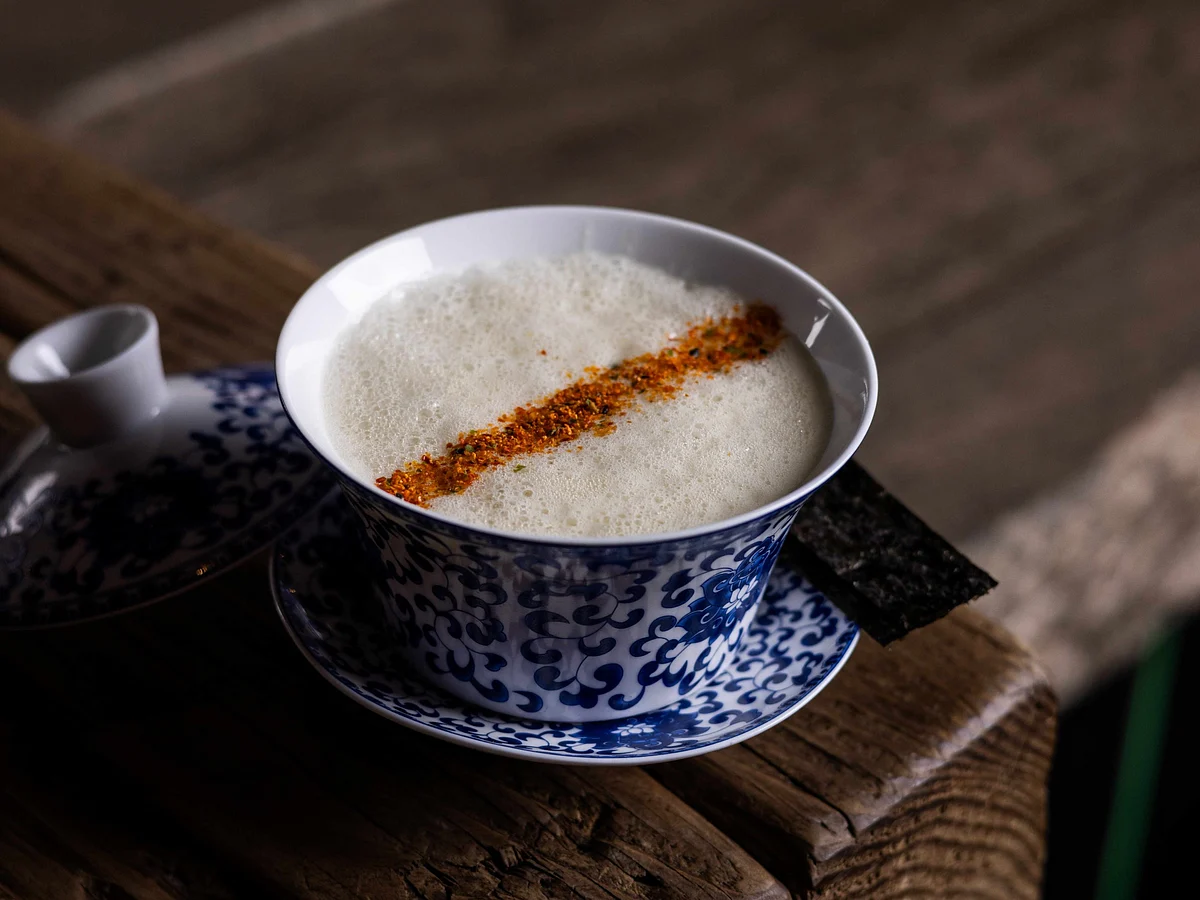
Some stories are told in chapters. At Adrift Kaya, they're served one cocktail at a time. The restaurant's new cocktail programme follows an ancient route that begins in Edo—the Tokyo of the 1600s—winds through the Silk Route, crosses the Himalayas and arrives in Delhi, the Heart of India. Organised as four distinct chapters, the menu asks guests to move through a sequence rather than make a selection. Each cocktail marks a place along the route, drawing on the history, landscapes and cultural exchanges that shaped it, until the final drink completes the journey.
The opening chapter, Edo: The Origins, looks to Japanese craftsmanship, ritual and the philosophy of Shokunin—the lifelong pursuit of mastering one's craft. It is a quiet beginning, where simplicity carries meaning. Broth of Edo finds inspiration in the comforting familiarity of ramen, Grain of the Rising Sun reflects on the grain that shaped Japan's economy and everyday life, while Mist of Edo captures the stillness of the last morning before setting out into the unknown.
From there, the story reaches The Silk Route: The Crossroads, where cultures met long before borders defined them. This chapter is less about trade than exchange—the movement of customs, techniques, stories and traditions between Japan and India over centuries. Cocktails such as Sunstone Negroni and Silk Root borrow from those encounters, bringing together influences gathered along one of history's most remarkable corridors of civilisation.
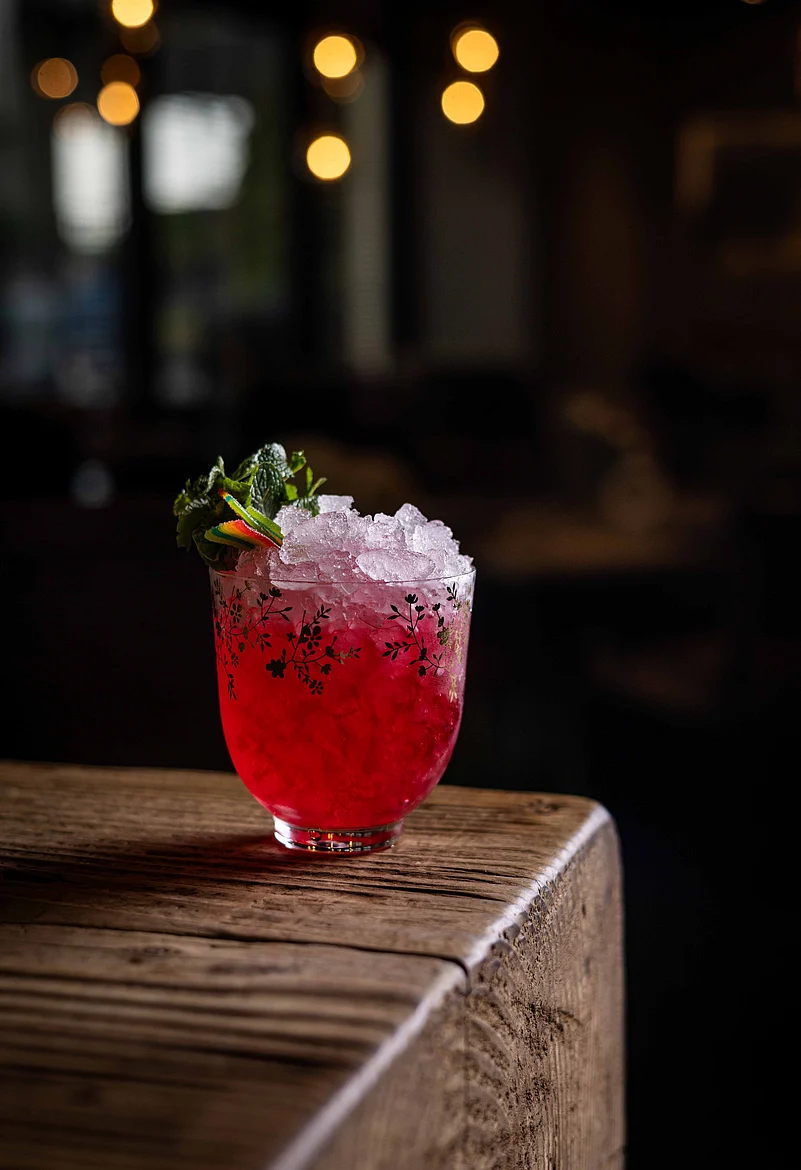

The route then rises into The Himalayas: The Elevation, tracing the historic gateways into India through Kashmir, Himachal Pradesh and Uttarakhand. Each cocktail honours the character of one region while quietly marking the traveller's arrival into the country. Garhwal Snow draws on buransh, honey and mountain herbs, while Valley of Gold layers kahwa, saffron and almond into a portrait of Kashmir's culinary identity.
The storytelling is supported by contemporary bar techniques including clarification, fermentation, fat-washing and sous-vide, employed not for spectacle but in service of the narrative. The same philosophy informs the programme's approach to sustainability. Leftover sushi rice is transformed into fermented rice crackers, Kinnauri apples are deep-frozen before being composted for the JW Garden, baby carrots are house-pickled, and vegetarian lime and coriander caviar is prepared entirely in-house.
The final chapter, Delhi: The Heart of India, gathers everything the journey has encountered along the way. The Red Fort Old Fashioned and Dilli 6 Spritz reinterpret flavours deeply associated with the capital, while The Final Mile brings the programme to its natural conclusion—a final stop that looks back as much as it looks ahead.

In an era where cocktail menus are often built around ingredients or spirits, Adrift Kaya offers something altogether different: a menu organised by place. It is a route that can be followed from beginning to end, where history provides the structure, cocktails become the chapters, and the last sip arrives in the heart of India, carrying with it every stop along the way.