

India is hosting the 20th session of the UNESCO Intergovernmental Committee for the Safeguarding of the Intangible Cultural Heritage (ICH) at Delhi’s iconic Red Fort (Lal Quila) from December 8 to 13, 2025. For the first time, this global gathering of cultural policymakers, experts, and community representatives is being held on Indian soil. Surrounded by red sandstone walls and Mughal-era grandeur, the venue celebrates living traditions that thrive beyond monuments and museums.
Chaired by India’s Permanent Delegate to UNESCO, Vishal V. Sharma, the session marks 20 years since India ratified the 2003 Convention. This milestone reinforces the country’s long-standing engagement with heritage that breathes, evolves, and belongs to people.
Expressing his delight, Prime Minister Narendra Modi took to X and shared, "It is a matter of immense joy that the 20th Session of UNESCO's Committee on Intangible Cultural Heritage has commenced in India. This forum has brought together delegates from over 150 nations with a vision to protect and popularise our shared living traditions. India is glad to host this gathering, and that too at the Red Fort. It also reflects our commitment to harnessing the power of culture to connect societies and generations."
What Is Intangible Cultural Heritage, And Why It Matters


Unlike forts or temples, intangible cultural heritage lives in daily practice. According to UNESCO, it includes oral traditions, performing arts, rituals, festivals, craftsmanship, foodways, and community knowledge systems passed down through generations. These traditions shape identity, empower communities, and keep cultural diversity alive in a rapidly globalising world.
Adopted in Paris on October 17, 2003, the Convention responded to growing threats faced by these living traditions, including the disappearance of languages, decline of crafts, and fading of rituals. At its heart are communities, the true custodians of heritage. From indigenous practices to urban folk traditions, safeguarding begins with the people who live and transmit these cultures daily.
Inside The 20th Committee Session In Delhi

This week’s session is hosted by the Ministry of Culture, Government of India, and its autonomous cultural body, the Sangeet Natak Akademi. Delegates from around the world are engaged in deliberations on safeguarding strategies, international cooperation, funding mechanisms, and the inscription of new cultural elements on UNESCO’s ICH Lists.
The agenda extends beyond policy. India is also using this global spotlight to present its national safeguarding model, which blends documentation, institutional support, community participation, and education. Collaborative international nominations, joint training programmes, and shared documentation practices are being discussed as future pathways.
India's Living Tradition On The Global Map
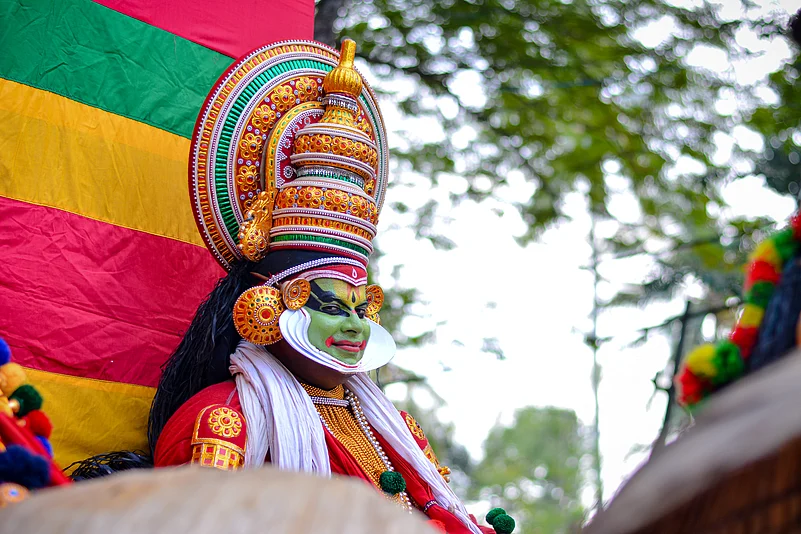
India currently has 15 elements inscribed on UNESCO’s Representative List of the Intangible Cultural Heritage of Humanity. From classical performing arts like Koodiyattam and Chhau to sacred traditions such as Vedic chanting and Buddhist rituals in Ladakh, the spectrum is vast.
Community-based expressions such as Ramlila, Ramman, and Sankirtana highlight the people-centric nature of Indian heritage. Meanwhile, the metalcraft of the Thatheras of Jandiala Guru, the Kalbelia community’s music and dance, and large-scale gatherings like the Kumbh Mela reveal how culture shapes livelihoods and collective life.
Contemporary practices are equally visible. Yoga, Durga Puja, and Garba represent a vibrant, evolving cultural identity that resonates far beyond national borders. The inclusion of Novruz, celebrated across several countries including India, underscores the shared cultural threads that connect regions across Asia.
Why This Moment Matters For Travellers Too
For travellers, intangible heritage is often what transforms a destination into an experience. By hosting this session, India is not only reaffirming its role in global heritage governance, but it is also highlighting the travel value of living culture.
Safeguarding intangible heritage strengthens rural economies, supports artisans and performers, and sustains cultural tourism beyond guidebook monuments. Workshops, performances, documentation projects, and skill-building programmes supported under India’s national heritage scheme ensure that traditions do not freeze in time but continue to adapt, survive, and inspire.
Equally important is education. Many of India’s traditions preserve ecological wisdom, oral history, and indigenous knowledge systems. Their survival strengthens intergenerational learning and cultural literacy in a fast-changing society.
FAQs
1. What is the UNESCO Intangible Cultural Heritage Committee?
It is a global body that evaluates, safeguards, and inscribes living traditions, rituals, crafts, and performing arts on UNESCO’s heritage lists.
2. Where is the 2025 UNESCO ICH session being held in India?
The 20th session is being hosted at Delhi’s historic Red Fort from December 8 to 13, 2025.
3. Why is this UNESCO session important for India?
It marks India’s first time hosting the committee and celebrates 20 years of India’s participation in the Intangible Heritage Convention.
4. How many Indian traditions are on UNESCO’s Intangible Heritage list?
India currently has 15 elements inscribed, including Yoga, Garba, Durga Puja, Kumbh Mela, Vedic chanting, and traditional crafts.
5. Why does this matter for travellers?
Intangible heritage powers cultural tourism by supporting festivals, crafts, performances, and community experiences beyond monuments.