



Every year, Earth Day arrives as a gentle annual reminder that the planet does not simply belong to us, rather it is something we are borrowing in real time.
In 2026, that reminder feels more important than ever. With climate anxiety no longer confined to scientific reports and environmental conferences, Earth Day’s newly announced global theme, Our Power, Our Planet, shifts the conversation away from abstract concern and towards something more immediate: collective action.
The campaign, unveiled by EARTHDAY.ORG alongside its international partners, sets the tone for this year’s observance by placing people at the centre of environmental change. Rather than framing sustainability as the responsibility of governments and institutions alone, the 2026 theme underlines the idea that communities, neighbourhoods and individuals can still shape the future of the places they call home. And this year, that movement begins before April 22 itself, with events across the world starting from April 18 and continuing through Earth Week.
A Shared Responsibility
Earth Day has come a long way since it was first observed in 1970, when 20 million Americans took to streets, parks and campuses to protest environmental destruction and demand stronger protections for air, water and land. That first mobilisation eventually helped spark major environmental legislation in the United States and inspired similar movements around the world.
More than five decades later, Earth Day has transformed into one of the largest civic observances globally, with over a billion people participating each year across nearly 200 countries. What began as a national protest has become an international platform—part awareness campaign, part celebration, and increasingly, a call for accountability.
This year’s theme builds on that legacy but with a more grounded message. Our Power, Our Planet reflects the growing belief that environmental progress can no longer wait for top-down policy shifts alone. From urban residents planting rooftop gardens to coastal communities restoring mangroves, the campaign highlights how local action can still create meaningful environmental change.
Global Action Begins
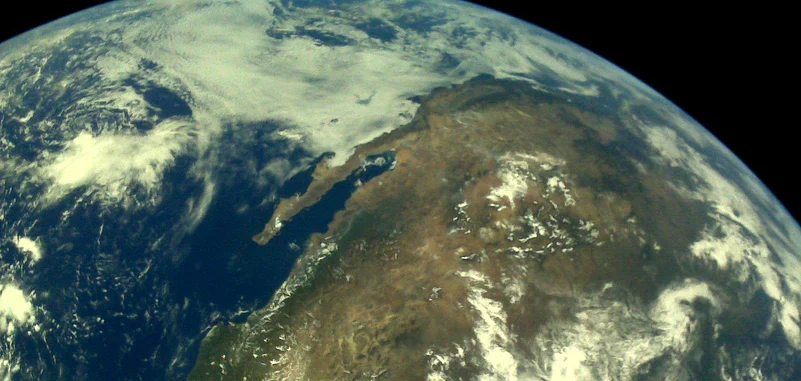

Instead of centring activity solely on April 22, Earth Day 2026 will unfold across several days, beginning on April 18 with a series of events planned worldwide. Organisers are encouraging cities, schools, environmental groups and citizens to participate in everything from community clean-ups and tree-planting drives to public forums and educational programmes.
Across many countries, Earth Week events are expected to include neighbourhood waste collection campaigns, biodiversity walks, river restoration projects and sustainability workshops designed to make environmental action feel accessible rather than overwhelming. Educational institutions are also being encouraged to host “teach-ins,” reviving one of the original formats from the first Earth Day, where climate science and ecological issues can be discussed beyond textbooks.
Digital participation is also becoming a major part of the movement. Online campaigns, virtual discussions and citizen science projects are expected to draw younger audiences who increasingly see climate advocacy as part of daily life rather than a once-a-year observance. For travellers, hospitality brands and tourism boards, the week is also becoming an opportunity to spotlight responsible travel practices and conservation-led experiences that align with Earth Day’s larger message.
Beyond One Day
What makes Earth Day 2026 feel especially relevant is the timing. Environmental concerns continue to dominate global risk assessments, with extreme weather, biodiversity loss and water stress now recognised as some of the most pressing long-term challenges facing the world. At the same time, many communities are experiencing these changes not as future warnings, but as present realities.
Against that backdrop, the 2026 campaign feels less symbolic and more urgent. The phrase Our Power, Our Planet suggests that while the scale of the climate crisis can seem daunting, the response does not have to begin with grand gestures. It can start with smaller acts—choosing cleaner transport, supporting local conservation, reducing waste, or simply becoming more aware of the environmental footprint of everyday life.
Earth Day has always been about awareness, but in 2026, it seems equally focused on agency. The message is simple: the planet may be facing enormous challenges, but the power to protect it still belongs to all of us.
FAQs
1. What is the theme of Earth Day 2026?
The official Earth Day 2026 theme is Our Power, Our Planet.
2. When is Earth Day celebrated in 2026?
Earth Day will be observed on April 22, with events beginning from April 18.
3. Who organises Earth Day globally?
EARTHDAY.ORG coordinates the global campaign with partners in nearly 200 countries.
4. How can people participate in Earth Day 2026?
People can join clean-ups, plant trees, attend workshops or support local sustainability efforts.
5. Why is Earth Day important today?
It raises awareness about climate change and encourages practical action to protect the planet.