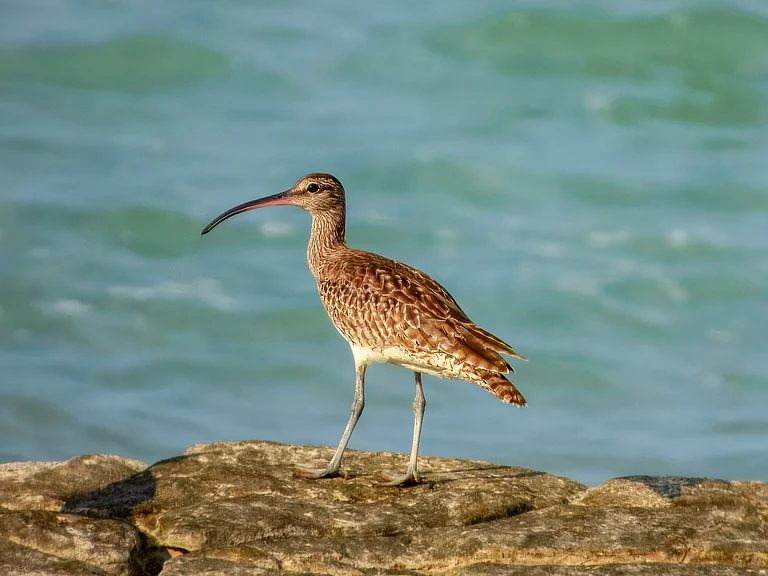
On misty winter mornings, when Delhi is still shaking off the cold, the city quietly turns into a rest stop for birds that have travelled thousands of kilometres. The Asian Waterbird Census, an annual exercise carried out by birders and conservationists, has once again mapped this seasonal miracle. Its latest findings from Delhi and the NCR tell a story of resilience, warning and quiet urgency, where healthy bird numbers coexist with fragile, threatened habitats.
Along a 22-kilometre stretch of the Yamuna floodplains between Wazirabad and Okhla, more than 9,000 waterbirds were recorded during the census. Spread across 131 species, the count included large congregations of black-headed gulls, barn swallows, ducks, waders and other migratory visitors that depend on shallow waters and exposed sandbanks to rest and feed.
At first glance, these numbers feel reassuring. The Yamuna, often described only through its pollution levels, still supports an astonishing diversity of life. For birders on the ground, the sight of flocks lifting off together at dawn was a reminder that the river is not dead. Yet the optimism does not last long, because almost every stretch surveyed showed signs of stress that threaten this fragile abundance.
The Hidden Crisis Along The Riverbanks
Beneath the spectacle of birds lies a degraded landscape. Large sections of the floodplains are scarred by construction debris and plastic waste. Sand mining continues to undermine nesting and roosting locations. Untreated sewage and stormwater runoff are polluting and degrading the water resources that birds use to catch fish and aquatic insects for food.
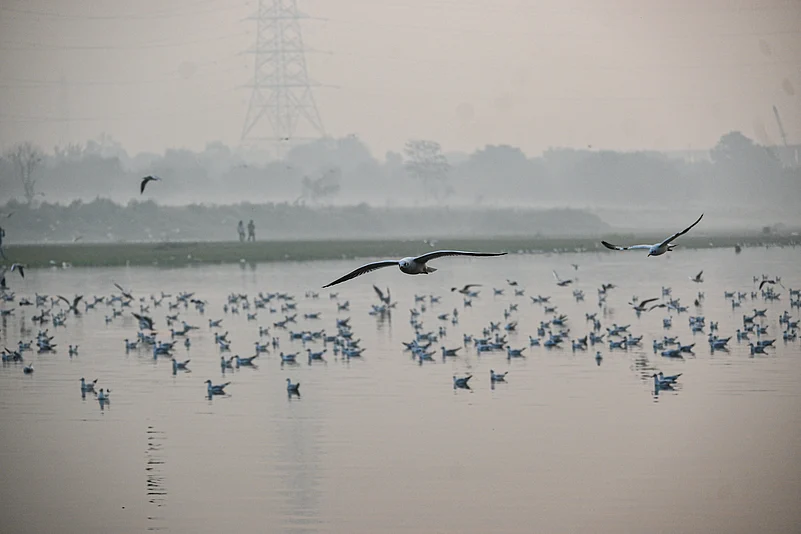

According to census-takers currently tracking the status of birds, there are indications that many bird species are now "crowding" into reduced areas of available habitat. As a result, the perception of healthy bird populations may in fact be a significant misrepresentation, as the overall quality and availability of wetlands is deteriorating. Without urgent intervention, these winter gatherings could thin out rapidly in the coming years.
Inside Delhi Zoo: A Refuge Of Still Water
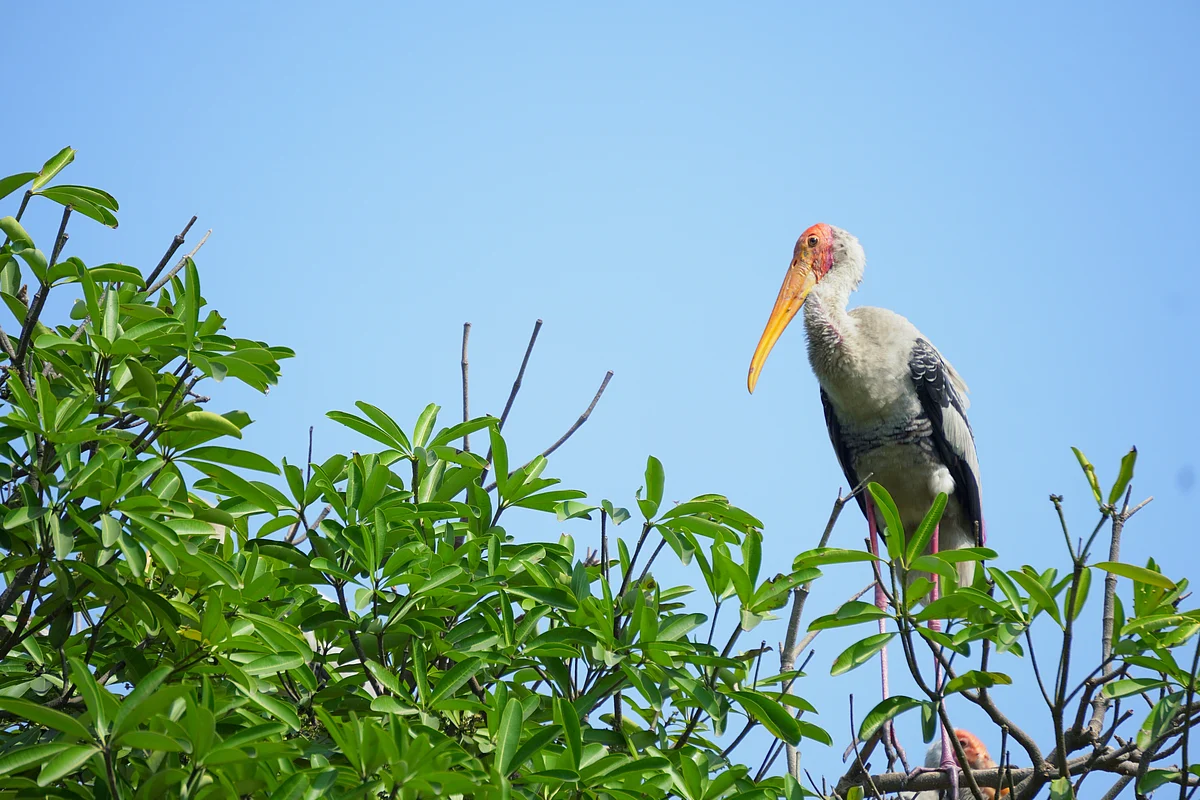
Away from the river, the National Zoological Park in Delhi also featured in the census. On National Bird Day, surveyors recorded 1,310 waterbirds belonging to 18 species within the zoo’s wetland areas. Paint storks dominated the count, accompanied by herons, grebes, teals, lapwings and kingfishers.
While the zoo cannot replace natural wetlands, its water bodies have become important refuges in an increasingly hostile urban environment. The significant number of birds occupying a managed environment represents the increasing difficulty faced by many species residing in the city, which are actively seeking out food and water supplies to survive the winter months.
Water Birds Of The NCR Region
The National Capital Region Census showed varied results for the rest of the NCR wetlands, with Sultanpur National Park showing some promise due to having a more diverse collection of bird species than in previous years; however, the overall number of birds reported at Sultanpur was still lower than the historical averages.
While Sultanpur is doing reasonably well, there are other wetlands in the NCR that have produced less hopeful results. For example, Noida and Greater Noida have shown drastically reduced numbers of birds and various species, as would be expected to find due to water pollution, human disturbance to the water and habitat, and lack of available fish to eat. Dhanauri Wetland, an important migration stop along the Central Asian Flyway, has reported very little bird activity in the last 5 years due to encroachment, construction, farming practices, and stray dog interference, all adversely affecting the area's ability to provide a safe place for migrating birds to rest and recuperate.
Why The Asian Waterbird Census Matters
The Asian Waterbird Census serves a greater purpose than simply counting birds. Through a concerted effort by many countries, the Census is a great resource for monitoring the health of wetlands and tracking changes in bird populations over the long-term. The information collected from the Census contributes to the conservation planning process, identifies locations where birds and wetlands are threatened, and documents changes in bird migration routes caused by the effects of climate change and human activity.
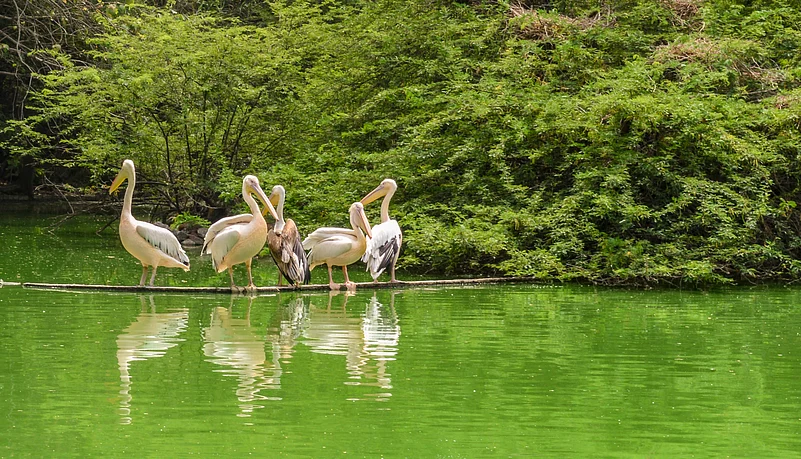
For example, places like Delhi, where pollution and encroachments threaten rivers and wetlands, benefit from the Census as an early warning system. Where the Census tells us where the highest concentration of birds is located, it also indicates where their habitats are deteriorating and possibly becoming uninhabitable.
The newest results of the Asian Waterbird Census provide strong evidence that, while birds continue to migrate to the Delhi area, they are running out of suitable places to carpet. The Yamuna floodplains, wetlands located around the city, and zoo water bodies are all hanging on by a thread.
It is important to understand that when we protect the wetlands and floodplains in the Delhi area, we are not just creating a beautiful and recreational space for people; rather, we are protecting an ecosystem that supports wildlife and human life. Therefore, if pollutants, encroachment, and neglect continue to go unchecked, the wintertime skies above Delhi may one day be silent, with today's bird counts serving as a painful reminder and warning of what happened.
FAQs
What is the Asian Waterbird Census?
It is an annual international survey that tracks waterbird populations to assess the health of wetlands and migration patterns.How many waterbirds were recorded along the Yamuna in Delhi?
The latest census recorded over 9,000 waterbirds across a 22-kilometre stretch of the Yamuna floodplains.Why are Yamuna floodplains important for birds?
They provide shallow waters, sandbanks and feeding grounds essential for migratory and resident waterbird species.Why is the future of these birds under threat?
Pollution, sewage discharge, sand mining, encroachment and shrinking wetlands are degrading bird habitats.Why do bird numbers remain high despite habitat loss?
Experts believe many birds are crowding into shrinking safe areas, masking the overall decline in wetland quality and availability.