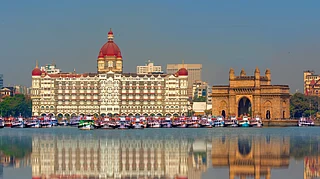


The government on Sunday proposed setting up a National Destination Digital Knowledge Grid to digitally document places of significance across the country, including cultural and spiritual sites. But what exactly does a digital knowledge grid mean, and what will setting one up involve? Let’s take a closer look.
What Is The National Destination Digital Knowledge Grid?
The National Destination Digital Knowledge Grid is a flagship initiative announced in the Union Budget 2026–27, aimed at creating a comprehensive, technology-driven digital repository of India’s cultural, spiritual, and historical heritage sites. It is being envisioned as a digital backbone for the tourism sector to modernise how destinations are documented, accessed, and experienced.
The Proposed Scope
The project will build a unified national repository of tourism assets in order to improve destination management, interpretation, and discoverability. It will digitally map and document sites of cultural, spiritual, and heritage significance across the country.
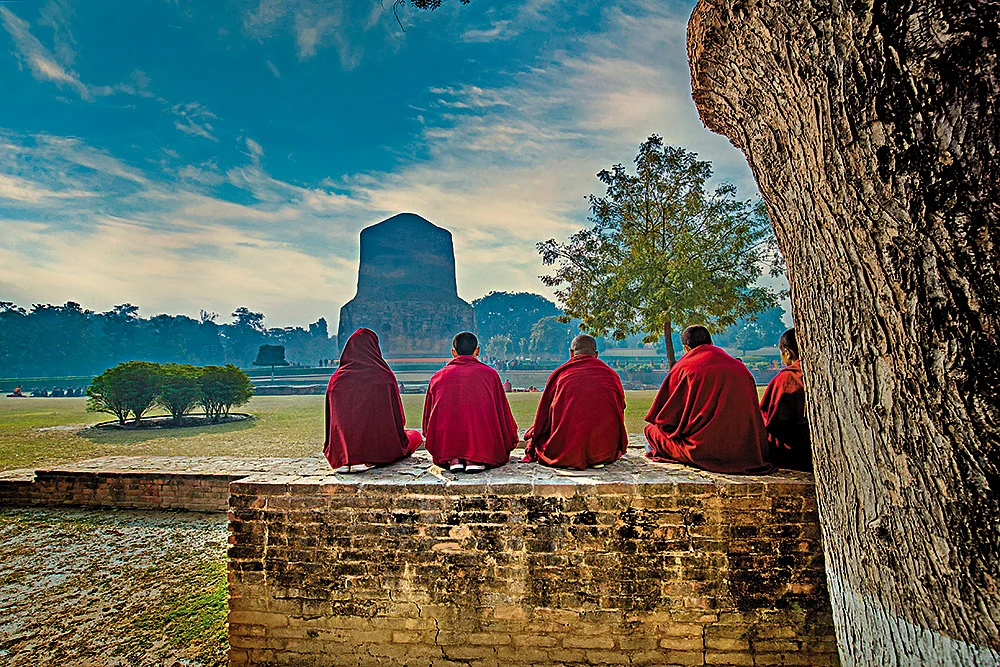
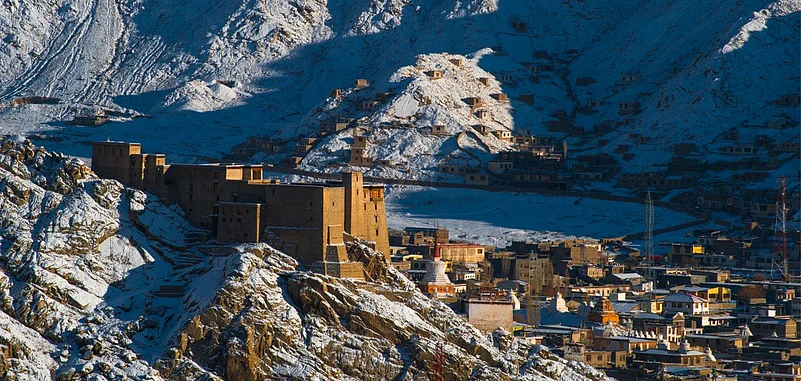
The government also plans to transform 15 major archaeological sites—such as Lothal, Dholavira, Rakhigarhi, Hastinapur, Leh Palace, and Sarnath—into experiential cultural destinations through technology-led storytelling. Immersive tools, curated walkways, and virtual interpretation will be used to enhance visitor engagement at these places.

Creating New Jobs
The project is expected to create new jobs, especially for local researchers, historians, content creators, and technology partners involved in documenting and presenting heritage sites. It will also promote a more data-driven approach to tourism. This will help state and local authorities plan, manage, and market destinations more effectively.
The initiative is also linked to a pilot skill-development programme that will train 10,000 tourist guides across 20 sites, in collaboration with an Indian Institute of Management, IIM, to improve on-ground visitor experiences.
Trekking Trails
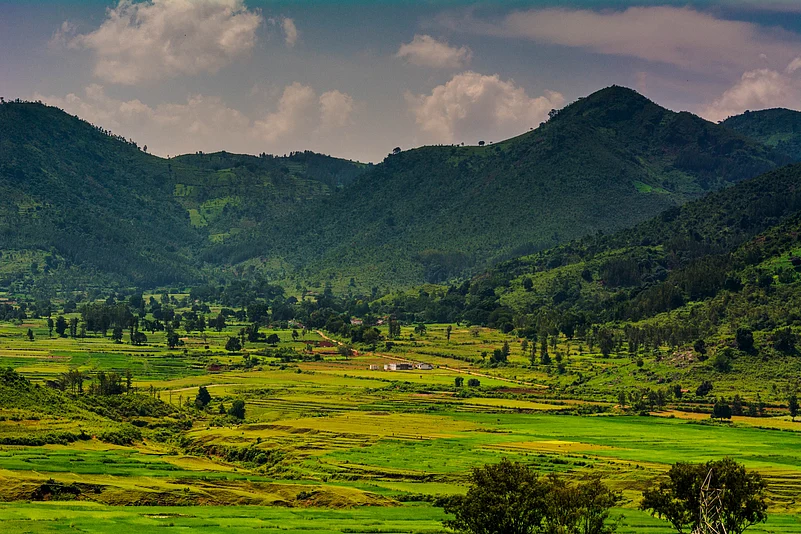
Apart from this, while presenting the budget, Finance Minister Nirmala Sitharaman also said that India has the potential to offer world-class trekking and hiking experiences. She announced plans to develop ecologically sustainable trails across the country. These include mountain trails in Himachal Pradesh, Uttarakhand and Jammu and Kashmir; trails in Araku Valley and Podhigai Malai; turtle trails along key coastal nesting sites in Odisha, Karnataka and Kerala; and bird-watching trails around Pulicat Lake in Andhra Pradesh and Tamil Nadu.
Upskilling Locals
She also proposed a pilot scheme to upskill 10,000 tourist guides at 20 iconic sites through a 12-week hybrid training programme with an IIM. The Budget further outlined plans for an East Coast Industrial Corridor, new tourism destinations in Purvodaya states, Buddhist circuits in six northeastern states, and the rollout of 4,000 e-buses.
(With inputs from PTI.)
FAQs
What is the National Destination Digital Knowledge Grid?
It is a digital platform to document and map India’s cultural, spiritual, and heritage tourism sites.
Why is the government setting it up?
To modernise tourism management, improve discoverability, and enhance visitor experiences using technology.
What kinds of sites will it cover?
Cultural, spiritual, archaeological, and historically significant destinations across India.
How will it benefit tourists?
By offering better information, digital storytelling, and immersive experiences at key sites.
Who will benefit beyond tourists?
State governments, local communities, researchers, guides, and tech partners involved in tourism development.