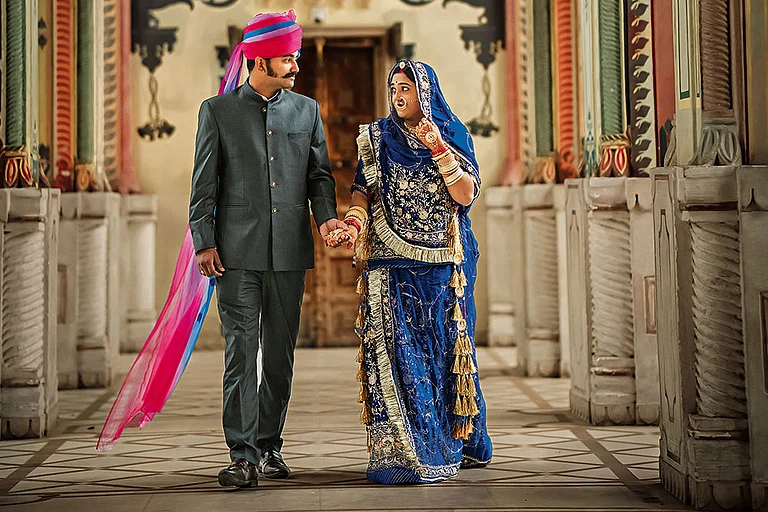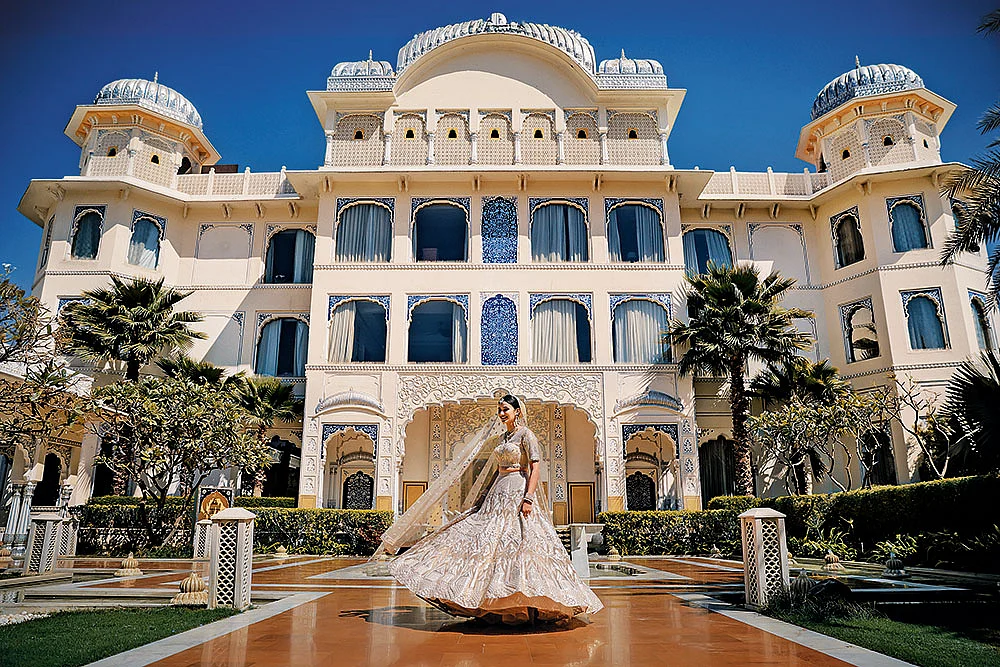
A wedding on a beach where the soundtrack is the Arabian Sea. A forest resort reserved entirely for one family. A sadya served on banana leaves beside Kerala’s backwaters. These are no longer exceptions in India’s wedding calendar; they are increasingly what couples are seeking.
“We are seeing growing demand for experiences that connect guests with the destination, whether through sunset beach ceremonies, Goan-inspired welcome events, curated local entertainment, or menus that celebrate regional ingredients and traditions,” said Farhan Hamidani, Director of Sales & Marketing at W Goa, a luxury beachfront resort near Vagator Beach.
According to market research firm Grand View Research, India’s destination wedding market was valued at USD 16.25 billion (around INR 1.35 lakh crore) in 2024 and is projected to reach USD 55.39 billion by 2033, growing at nearly 15 per cent annually. India's wedding industry is estimated to be worth nearly INR 10 lakh crore annually, making it one of the country's largest consumer-driven sectors and a significant contributor to the economy.
Beyond Banquets
For hotels, weddings are no longer weekend events that fill banquet halls. They have become multi-day businesses that occupy entire properties, generating revenue from accommodation, restaurants, spas, transport, entertainment, and local experiences. At W Goa, for instance, weddings begin long before guests arrive. Hamidani said the resort has “a highly flexible event ecosystem that allows multiple functions to unfold seamlessly across indoor and outdoor venues.”
Dedicated teams coordinate everything from room allocations and airport transfers to venue transitions and guest experiences, while specialist crews across banquets, housekeeping, culinary operations and technical production, work simultaneously behind the scenes.
At the Oberoi Sukhvilas Resort & Spa in New Chandigarh, cross-functional teams are responsible for each multi-day celebration. “We view every wedding as a carefully curated journey rather than a singular event,” said General Manager Rathijit Dutta. Courtyards, poolside spaces, lawns, and indoor venues allow different ceremonies to unfold independently while remaining part of a single experience. Increasingly, hotels are becoming one-stop providers for events, concierge services, and travel planning alike.


Place As The Product
Destination weddings once revolved around the ceremony. Today, they revolve around the destination itself. Grand View Research noted that beach destinations accounted for the largest share of India’s destination wedding market in 2024.
Niraamaya Retreats in Kerala hosts intimate celebrations for around 70 to 100 guests, with events spread across beaches, backwaters, waterfalls, and hillsides. Satellite kitchens, portable banquet infrastructure, and pre-assigned venues allow ceremonies to move smoothly from one setting to another. “Once the locations for each event are preassigned, it is a plug-and-play approach,” said Dhavalakeerthi MK, Senior Vice President, Marketing. Privacy is another selling point. At The Oberoi Sukhvilas, nestled at the foothills of the Siswan Forest Range, complete property buyouts have become increasingly common. Families can take over the entire resort, transforming its venues into private celebration spaces. Forest dining, outdoor celebrations and curated gifting featuring regional craftsmanship are all designed around what Dutta called “destination-driven storytelling.”
The approach perhaps found its best-known expression at the wedding of actors Rajkummar Rao and Patralekha. Dutta recalled a celebration defined by “privacy, understated elegance and a strong connection to the surroundings,” allowing the property’s architecture and landscape to take centre stage instead of elaborate spectacle.
In Kerala, Niraamaya Retreats leans into traditions that guests are unlikely to experience elsewhere. Chenda drummers welcome arriving families, Kathakali performers join the festivities, and sadya is served on banana leaves to dozens of guests seated together. Many cottages are restored tharavadu (ancestral) homes overlooking the sea or backwaters.
Business Beyond The Ballroom
The economics of destination weddings extend well beyond room revenue. According to ratings agency ICRA, strong demand from weddings, leisure travel and meetings is expected to keep occupancy at premium hotels in India at 72-74 per cent in FY2026, while average room rates continue to rise. Weddings are also influencing how hotels think about sustainability.
At W Goa, locally sourced ingredients, reusable décor elements and collaborations with regional artisans and performers are becoming part of wedding planning.
For Niraamaya Retreats, natural landscapes reduce the need for elaborate décor, menus draw on seasonal local produce, and intimate guest lists make waste management easier. Weddings also generate employment for local artisans, performers, transport operators and culinary specialists, extending the economic benefits beyond the resort.
Looking for more such exciting and meaningful stories? Grab our latest issue on Amazon.