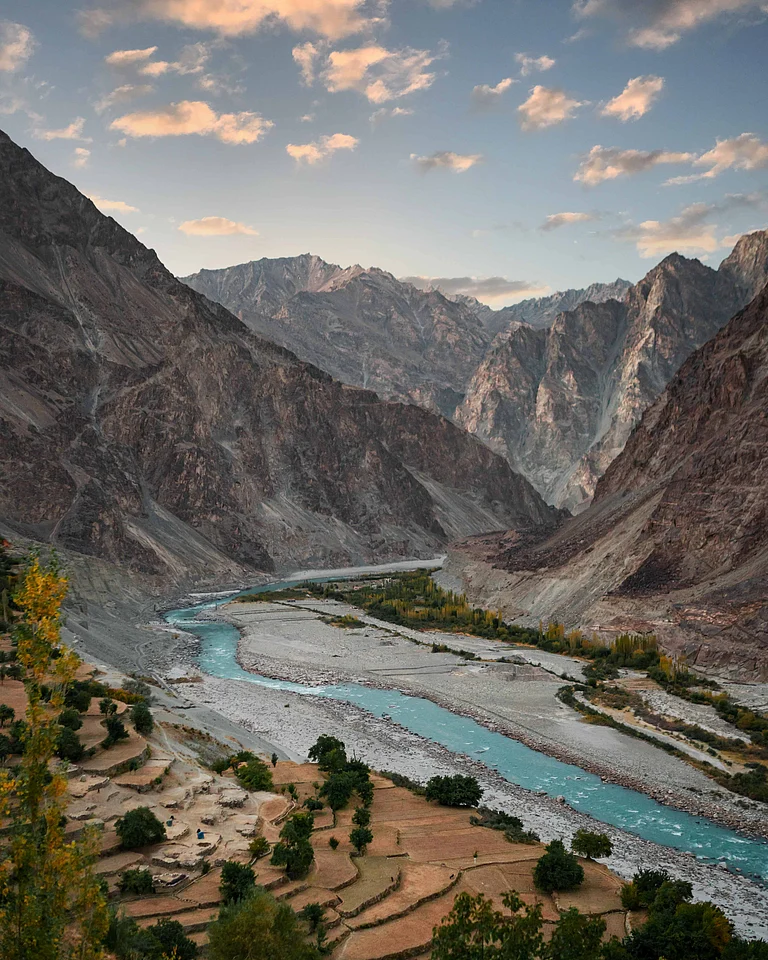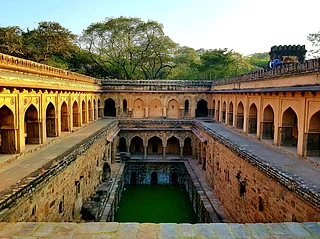
Beyond its high-altitude passes, turquoise lakes, and iconic monasteries, Ladakh is also home to an exceptional archaeological landscape, marked by prehistoric petroglyphs, ancient forts, meditation caves, and rock-cut Buddhas. For decades, many of these lesser-known sites have remained outside mainstream tourist itineraries. With the Union Territory administration declaring 23 heritage sites as protected monuments across Leh and Kargil, that could soon change.
Approved by Lieutenant Governor Vinai Kumar Saxena under the Jammu and Kashmir Ancient Monuments Preservation Act, the notification grants statutory protection to monuments of archaeological, historical and cultural significance. This recognition will enable the administration to undertake scientific conservation and restoration, prevent encroachments and regulate activities that could potentially harm the monuments.
"Ladakh's ancient monasteries, forts, caves, petroglyphs, and rock carvings are invaluable testimonies to our rich civilisational heritage and cultural identity. Their preservation is not merely about protecting monuments but about safeguarding the collective memory of our people for future generations," Saxena said.
The 23 Protected Monuments Across Leh And Kargil
The 23 newly protected monuments trace Ladakh's history across millennia, from prehistoric rock art to medieval kingdoms and Buddhist pilgrimage. Some of the oldest of these are the petroglyph sites at Sharnos, Domkhar, Lehdo, Alchi, Murgi, and Mangmore, where ancient carvings on boulders offer a glimpse into the lives of early inhabitants, traders and pastoral communities that once travelled along the trans-Himalayan routes linking the Indian subcontinent with Tibet and Central Asia.
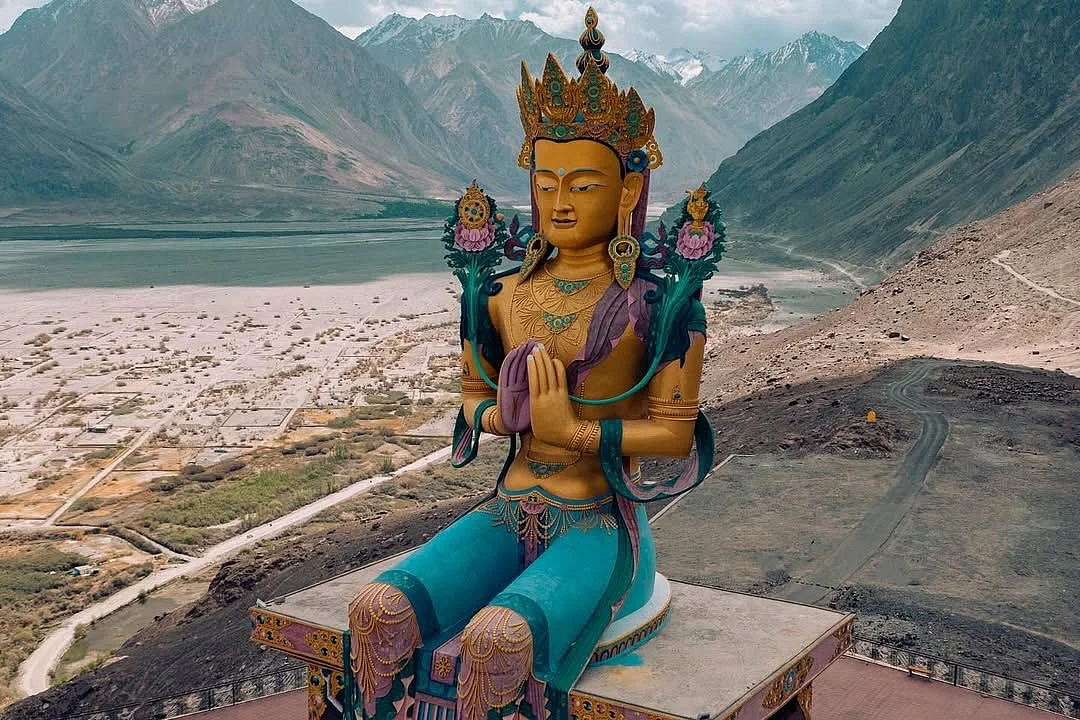
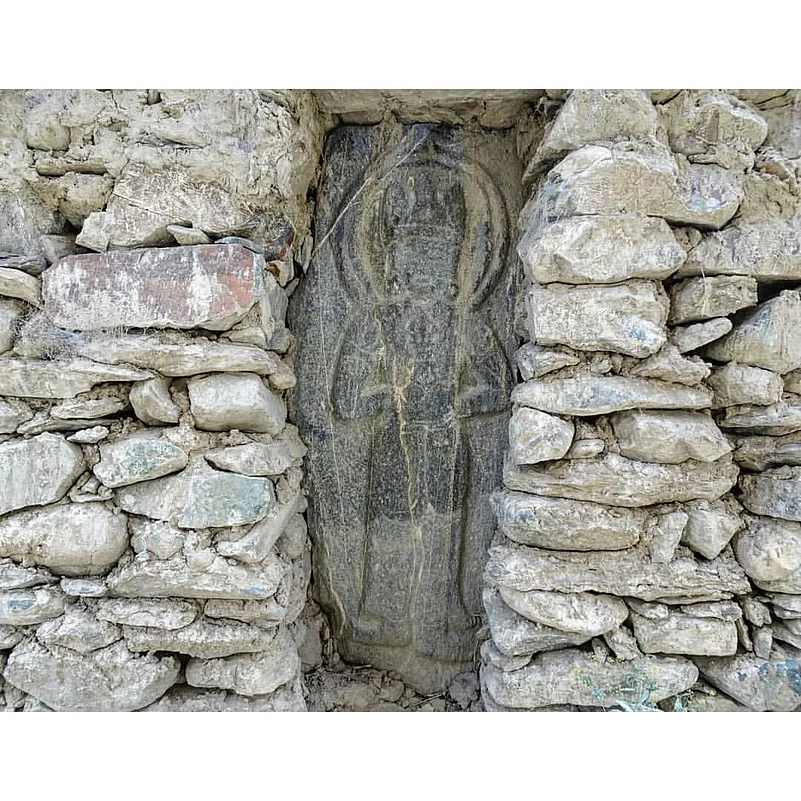
The notification also protects monuments from Ladakh's later Buddhist and political history. These include the Maitreya Buddha Rock Carving at Shey near Sindhu Ghat, Stongday Gonpa, the Chamba and Rigsum Gonbo rock carvings at Diggar, the Rock-Carved Buddha Statue at Hunder, and Zong Chamba, all of which reflect the development and spread of Buddhism in Ladakh and the western Himalayas. Along with them are historic landmarks such as Tingmosgang Fort, Sumoor Fort and Dechen Tsomo Khar, as well as the ancient caves at Saspol, Hunder, Onpo and Stampuk, which are associated with Buddhist meditation traditions and early habitation. The list also includes the Rock Inscriptions at Yourbaltak in Kargil and several lesser-known heritage sites that collectively reveal the region's rich archaeological and cultural legacy.

What Protected Monument Status Means
Declaring a site a protected monument provides a legal framework for long-term conservation by enabling authorities to scientifically document and restore monuments while regulating activities that could threaten their integrity. Construction and development around protected monuments are subject to regulation under applicable heritage protection laws, helping preserve not only the monuments themselves but also their surrounding archaeological landscapes.
Protected status also creates opportunities for systematic research, improved interpretation and better visitor management, ensuring these sites remain accessible without compromising their historical authenticity.
A Greater Scope For Tourism
The new notification broadens Ladakh's tourism narrative beyond its celebrated monasteries like Hemis, Thiksey and Diskit. With greater recognition and future conservation efforts, the initiative can encourage travellers to venture beyond Ladakh's established tourist circuit and gain a more nuanced understanding of its history. Improved interpretation and carefully managed visitor facilities, where introduced, may eventually complement the region's adventure and nature-based tourism while reducing pressure on its most visited attractions.
Rather than being seen solely through the lens of dramatic landscapes and monasteries, Ladakh may increasingly emerge as one of the Himalayas' richest archaeological and cultural destinations, where prehistoric rock art, medieval forts, ancient cave sanctuaries and living religious traditions together tell the story of a region that has connected cultures and trading networks for centuries.
(With inputs from PTI and other sources)
FAQs
1. Which heritage sites have been declared protected monuments in Ladakh?
The notification covers 23 heritage sites across Leh and Kargil, including petroglyph sites at Sharnos, Domkhar, Lehdo, Alchi, Murgi and Mangmore; Tingmosgang Fort; Sumoor Fort; Stongday Gonpa; the Maitreya Buddha Rock Carving at Shey; ancient caves at Saspol, Hunder, Onpo and Stampuk; and several historic rock carvings and inscriptions.
2. What does protected monument status mean in Ladakh?
Protected monument status provides legal safeguards for sites of archaeological, historical and cultural importance. It enables scientific conservation and restoration, regulates activities that could damage the monuments and helps prevent encroachment.
3. Why is this declaration important for Ladakh's heritage?
The recognition helps preserve Ladakh's diverse archaeological legacy, which spans prehistoric rock art, medieval forts, Buddhist monuments and ancient cave sanctuaries. It also encourages research, documentation and long-term heritage management.
4. How could the protected monuments benefit tourism in Ladakh?
The initiative is expected to diversify Ladakh's tourism beyond popular monasteries and high-altitude landscapes by drawing attention to lesser-known archaeological and cultural sites. Over time, improved interpretation and conservation could create new heritage tourism experiences.
5. Who approved the protected monument notification in Ladakh?
The notification was approved by Lieutenant Governor Vinai Kumar Saxena under the Jammu and Kashmir Ancient Monuments Preservation Act, granting statutory protection to 23 heritage sites across Leh and Kargil.