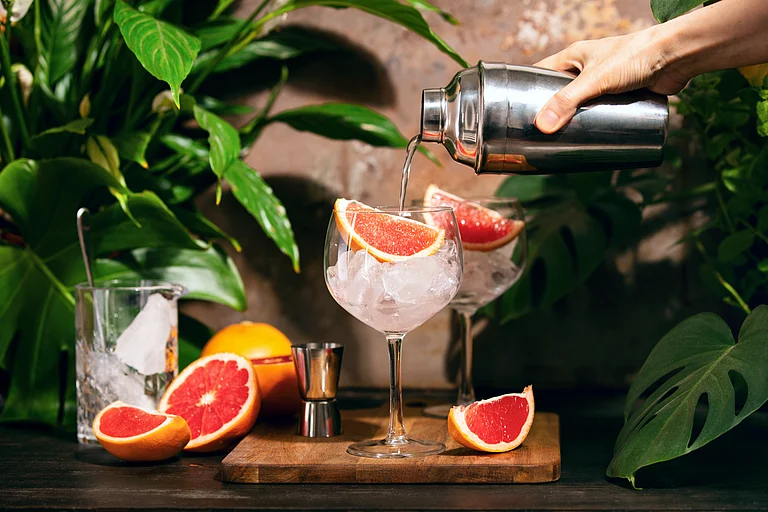


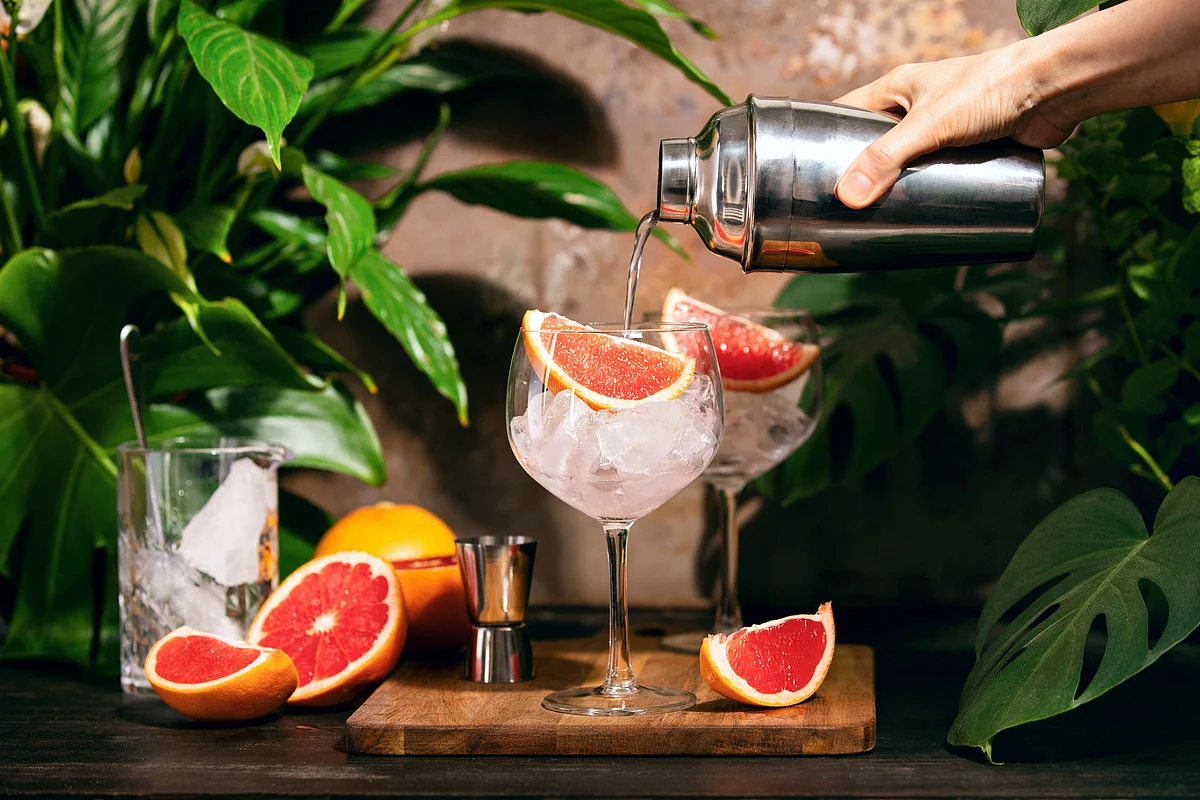
Ask bartenders what’s changed over the past few years, and most won’t point to a new spirit or flashy garnish. They’ll tell you guests are asking for drinks that are “less sweet,” “lighter,” or simply “more balanced.” The appeal, however, isn’t solely about fewer calories. The appetite for syrup-heavy cocktails and sugary liqueurs is giving way to drinks that put ingredients and technique at the forefront.
“Skinny cocktail” is the industry’s shorthand for this shift. Rarely does anyone order one by name, but the requests all point in the same direction. Drinkers want cocktails that don’t feel heavy after the first glass, allow the base spirit to shine through, and can be enjoyed over the course of an evening.
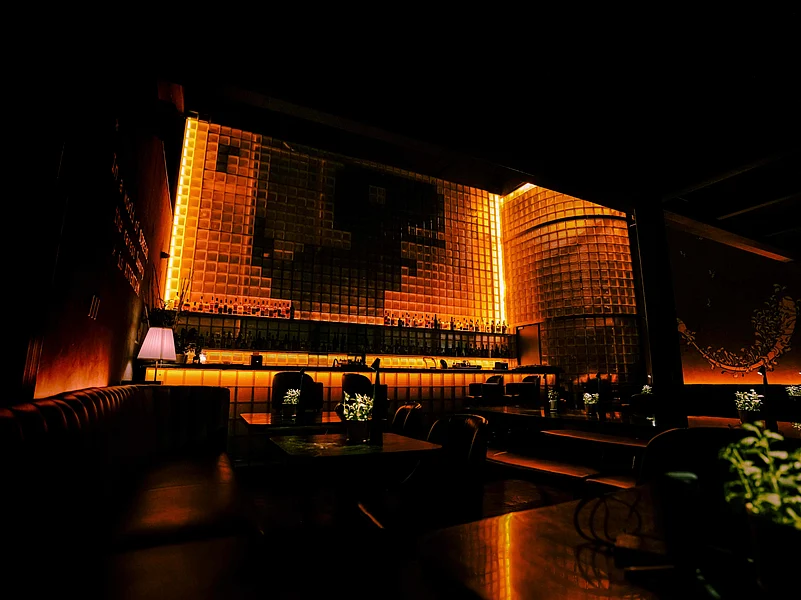
At Bengaluru’s 403 Forbidden, co-founder and bar director Aman Dua says the change became apparent long before it turned into a talking point.
“The biggest change is that guests are drinking with a lot more intent. A few years ago, people would often ask for something ‘strong’ or ‘Instagram-worthy’. Today, they ask for something balanced, refreshing or ‘not too sweet’.”

According to Dua, bartenders often spot these shifts before anyone else. Repeat orders reveal changing preferences more clearly than social media trends. Guests are finishing lighter cocktails and ordering another, rather than moving to straight spirits after one overly sweet drink.
It’s Not About Calories
The word “skinny” can be misleading. Unlike the low-calorie drinks that became popular in the West a decade ago, India’s version is less concerned with numbers and more with flavour.
At 403 Forbidden, skinny cocktails contain no added sugar, relying only on naturally occurring sugars from fresh fruit and other ingredients. That might sound like a simple omission, but behind the bar, it changes everything.
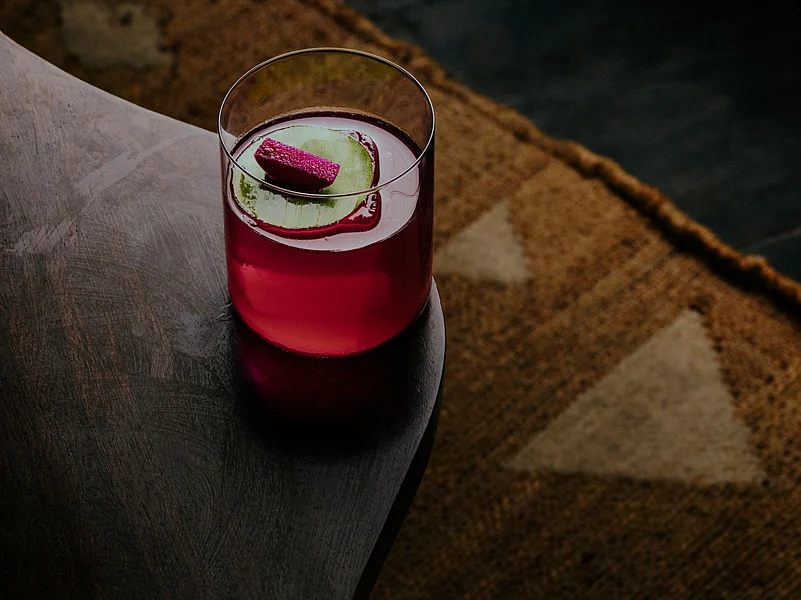
“Sugar isn’t just there for sweetness. In cocktail making, it’s a structural ingredient,” Dua explains. “It softens acidity, rounds off bitterness, adds body, carries aromas, and ties different flavours together.”
Remove sugar, and every flaw becomes obvious. An overly acidic citrus, an imprecise dilution or an aggressive spirit can no longer hide behind sweetness.
“When you remove sugar, the drink becomes brutally honest. There’s nowhere left for the bartender to hide,” he says.
Ironically, making a lighter cocktail often requires more work than making a sweeter one.
The Science Behind The Glass
Instead of reaching for sugar syrup, bartenders are increasingly relying on technique.
Clarification strips away solids while preserving flavour, producing cocktails with remarkable clarity. Fermentation develops savoury depth, botanical distillation captures delicate aromas, while acid balancing and carefully measured saline solutions help create brightness and the perception of sweetness without actually adding sugar.
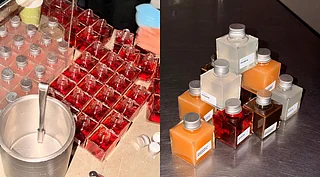
At 403 Forbidden, much of this experimentation happens inside CODE.LAB, the bar’s beverage research programme, where recipes are tested long before they appear on the menu.
Rather than asking how to make a drink sweeter, Dua says the team asks a different question: how can an ingredient express itself better?
“The biggest lesson we’ve learnt through CODE.LAB is that, when sugar disappears, technique becomes the backbone of the cocktail. Every ingredient, every millilitre, and every process matters because there is nowhere for imperfections to hide.”
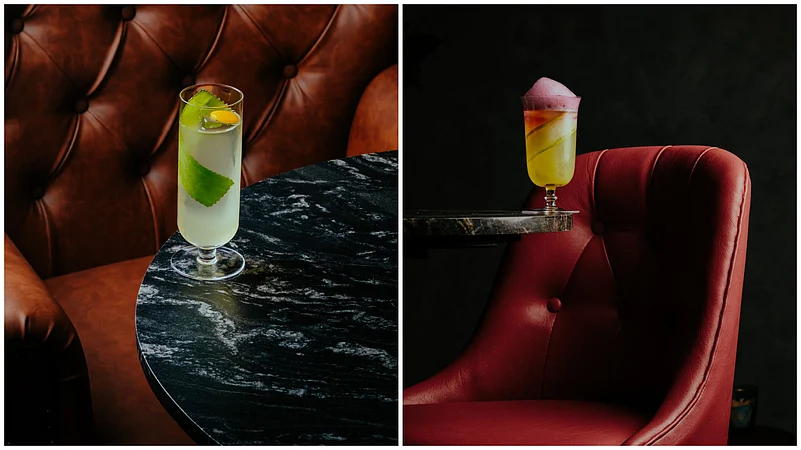
The growing interest in research-led bartending also reflects how Indian bars have evolved. Techniques once associated with fine dining kitchens are now finding a place behind the bar, where precision has become as important as creativity.
Why The Classics Are Back
This technical shift is also breathing new life into classic cocktails.
Martinis, Margaritas, Highballs, and Spritzes are increasingly appearing on menus, not because they’re nostalgic, but because they’re already built on restraint. Their recipes rely on balance, quality spirits, and clean flavours rather than layers of sugar.
Instead of reinventing these classics with elaborate twists, bartenders are refining them through better ingredients, more accurate dilution, and sharper acidity.
“Rather than reinventing them, we’re refining them. Better dilution, fresher ingredients, clearer flavours, and more precise acidity can completely transform a classic while still respecting its identity,” Dua comments.
The result is a cocktail that feels familiar but noticeably more precise.
Guests Want The Story Too
The changes aren’t limited to what’s inside the glass. They are also influencing conversations across the bar counter.
Drinkers are increasingly asking whether ingredients are house-made, why a cocktail tastes unusually clear or how clarification and fermentation work. For bartenders, explaining these techniques has become part of the experience.
As Dua points out, guests today are buying more than a drink.
“People aren’t just buying a cocktail anymore. They’re buying craftsmanship, transparency, and the story behind the drink.”

That curiosity has also encouraged bars to invest more heavily in research and development, turning beverage programmes into spaces for experimentation rather than simply recipe creation.
The Belonging
Although younger drinkers have helped popularise mindful drinking, Dua doesn’t believe the skinny cocktail belongs to any one generation.
In fact, he says some of the strongest demand comes from seasoned cocktail enthusiasts who have travelled widely and developed an appreciation for technical precision. They understand the difference between sweetness that balances a drink and sweetness that masks it.
The same philosophy is influencing drinking habits more broadly. Mindful drinking is no longer defined only by consuming less alcohol. Increasingly, it's about making every drink count.
“People would rather have two exceptional cocktails than four forgettable ones.”
That change in mindset is reshaping cocktail menus across India. Instead of asking how to make drinks bigger, stronger or sweeter, bartenders are asking how to make them more expressive.
The skinny cocktail, then, is less a trend than a sign of a maturing cocktail culture. It points towards drinkers who are paying closer attention to what is in their glass, and bartenders who are relying less on sugar and more on skill. In the process, India’s cocktail scene is moving away from excess and towards precision, whereby the best drinks aren’t necessarily the sweetest, but the ones with the clearest sense of purpose.
FAQs
1. What are skinny cocktails?
Skinny cocktails are drinks made with little or no added sugar, focusing instead on balance, fresh ingredients and advanced bartending techniques to create flavour.
2. Why are skinny cocktails becoming popular in India?
Indian drinkers are increasingly looking for lighter, less sweet cocktails that let the base spirit and ingredients shine, reflecting a broader shift towards mindful drinking.
3. Are skinny cocktails low in calories?
Not necessarily. While many contain less added sugar, the emphasis is on flavour, technique and balance rather than calorie counting.
4. How do bartenders create flavour without sugar?
They rely on methods such as clarification, fermentation, acid balancing, saline solutions, botanical distillation and fresh ingredients to build depth and complexity.
5. Which classic cocktails fit the skinny cocktail trend?
Classic drinks such as Martinis, Margaritas, Highballs and Spritzes naturally align with the trend because they emphasise balance, clean flavours and quality spirits over sweetness.