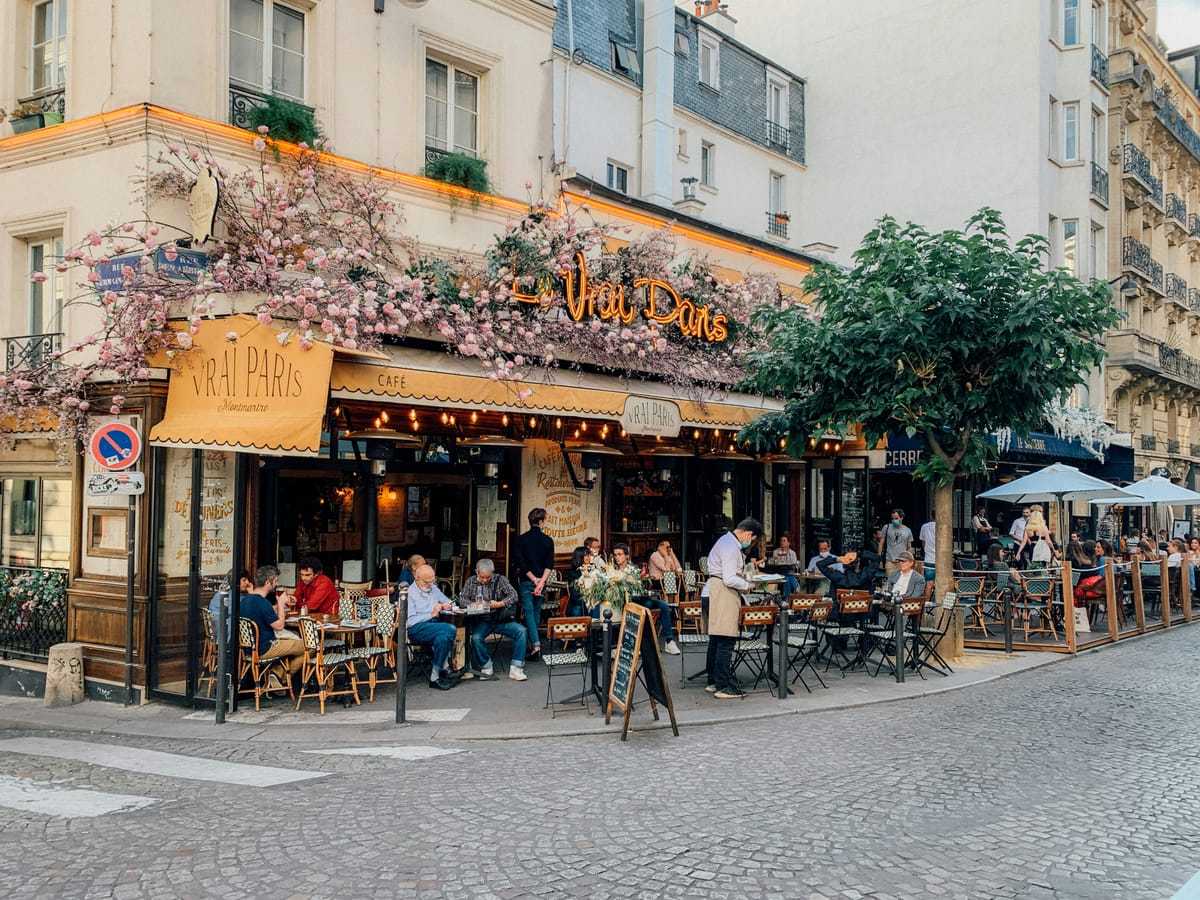
Cities are not just grids of streets and skylines, they’re palates. What we eat and where we drink are deeply entangled with how we feel about a city, how we remember it, and how we love it. Urban food and drink spaces do more than satiate hunger or thirst; they function as sensory anchors of place, shaping identities and signalling belonging. They are where strangers become acquaintances, where music and conversation are not background noise but the pulse of a place and where we learn, often unconsciously, how a city wants to be felt.
Where Taste Meets Memory


When we think of overseas travel, destinations like Paris and Tokyo are often celebrated for their cuisine. But the magic of these cities isn’t just in the food itself, it’s in how food exists in dialogue with daily life: the corner bakery that feels like home, the late-night taverna where locals sing along to familiar tunes, the café terrace where time slows down. These spaces are cultural mirrors, they weave taste, sound and ritual into the urban fabric.
On Valentine’s Day or any day choosing a city restaurant is choosing an experience of the city itself. Whether it’s the aromas of regional spices in a shared dish, the clink of glasses during a baithak night or discovering a DJ set that becomes a memory, these are the moments where a city’s cultural heartbeat becomes palpable.
The Architecture Of Belonging

What makes these shared spaces powerful is not merely the quality of the food or the innovation of the menu, but the architecture of belonging they create. Anthropologists tell us that food is identity, not just because of flavour profiles but because of the rituals that surround it. Sharing a meal is inherently social; it announces openness and vulnerability. In cities, restaurants and bars become microcosms of social life: they are laboratories where tradition meets experimentation, where new cultural forms are born.
A Global Shift In How Cities Are Experienced
In the last decade, Delhi has changed. The city’s restaurant culture has become richer, more varied, more confident in blending global aesthetics with regional roots. But the underlying evolution has been less about menus and more about mindsets. Patrons today seek more than sustenance; they want experience with context, place with meaning. They want spaces that feel like they have stories, not just décor, but histories, narratives, energy.
This shift is global. Think of London’s supper clubs that transform living rooms into music-and-meal happenings; think of Melbourne’s tiny laneway cafés that feel like secret rendezvous; think of Lisbon’s bodegas where generations of locals gather over espresso and chat. In each case, the food and drink are entry points into something deeper…a language of belonging that makes the city legible.
Cities As Emotional Landscapes
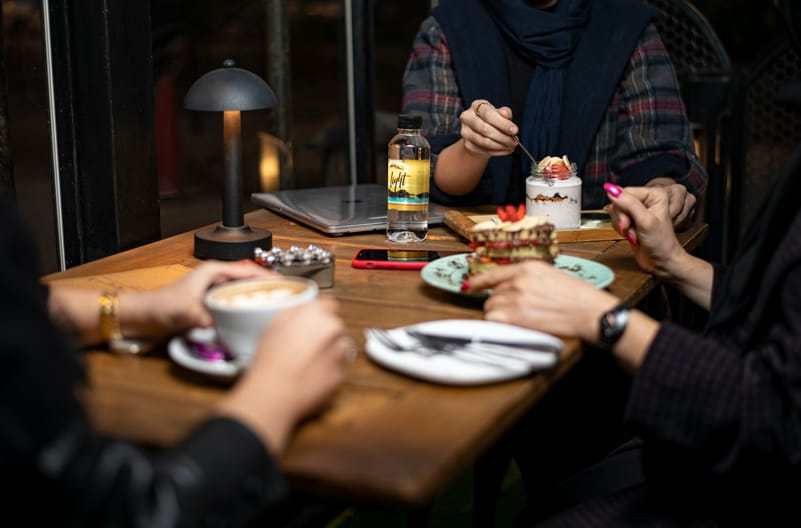
For travellers, this is what ultimately makes a city memorable. It is not simply that we tasted a fantastic dish or a perfectly mixed cocktail, but that the act of eating and drinking together with others allowed us to feel touched by the city’s cultural logic. Valentine’s Day, then, becomes less about hearts and roses and more about empathy and engagement. It is a day to recognise that love in all its forms is felt most honestly when shared around a table, with music that lingers and conversations that spill into the street.
At the intersection of food, drink, and culture, cities become more than coordinates, they become companions in feeling. They teach us how to be generous, how to celebrate difference, and how to savour presence. The places that shape our cultural experience are the ones that make us not just full, but found.
And when we remember a city, we remember how it made us feel.
The author is an award-winning restaurateur, and the co-founder of Depot48, a queer-owned, community-driven bar shaping Delhi’s cultural scene.