Sponsored Content
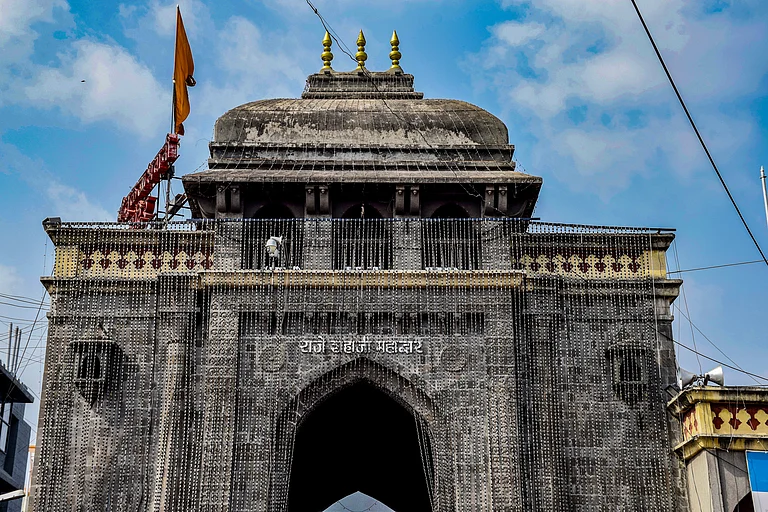
Mahur, also known as Mahurgad, is a small yet spiritually significant town in Maharashtra’s Nanded district, situated near the Telangana border. Set in the Sahyadri foothills, it is one of India’s 51 Shakti Peethas and an important centre of worship for both Goddess Renuka and Lord Dattatreya. For centuries, Mahur has drawn pilgrims, saints, and seekers who come here not only to pray, but also to experience a sacred landscape shaped by mythology, history, and nature.
The town’s spiritual significance is closely linked to two major traditions. Mahur is believed to be where the head of Goddess Renuka fell, making it one of the most powerful centres of Devi worship in India. It is also regarded as the birthplace of Lord Dattatreya, the combined form of Brahma, Vishnu, and Shiva. This rare dual identity makes Mahur unique among India’s pilgrimage towns.
Things To Do And See In Mahurgad
Renuka Devi Temple
This 13th-century temple, built by the Yadavas of Devagiri, is the primary pilgrimage site for the Yadavas and one of the most important Shakti Peethas in India. It features a unique swayambhu (self-manifested) idol, with only the deity's head visible above the ground. Legend says this is where Goddess Renuka’s head fell after she was beheaded by her son, Parashurama, on his father's orders.
Datta Shikhar (Dattatreya Temple)
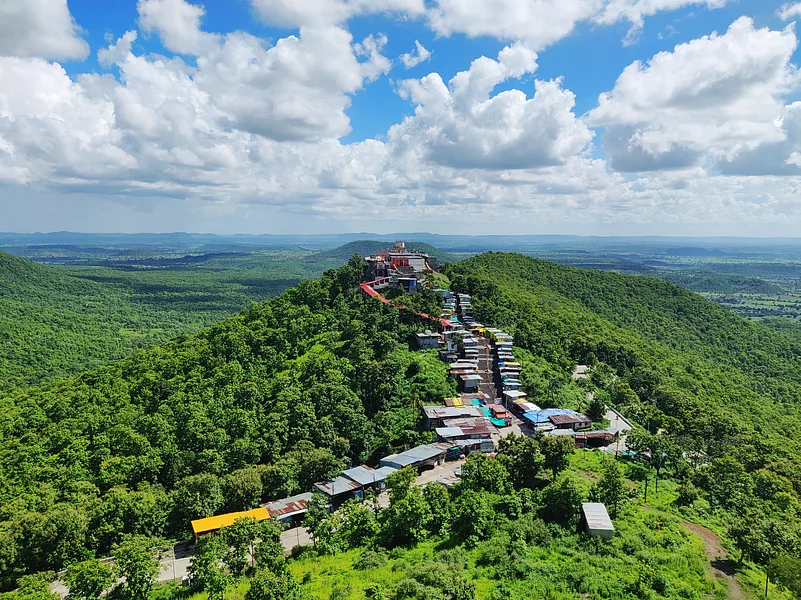
Located on the highest of Mahur’s three hills, Dattatreya Temple marks the birthplace of Lord Dattatreya, the combined form of Brahma, Vishnu, and Shiva. Unlike many other Dattatreya shrines that worship foot impressions, or Padukas, this site houses a full idol of the deity. The climb to Datta Shikhar is less crowded than the Renuka Devi Temple route and rewards visitors with sweeping views of dense forests and distant hill ranges.
Anasuya Mata Temple
Situated on the third hill, known as Atri Anasuya Shikhar, the Anasuya Mata Temple is dedicated to Sati Anasuya, the mother of Lord Dattatreya and wife of Sage Atri. Anasuya Mata holds a special place in the Datta tradition. Devotees, particularly families, visit this shrine to seek blessings for harmony, unity, and domestic stability. Often visited after Datta Shikhar as part of a traditional pilgrimage circuit, the temple’s relatively secluded setting and calm surroundings make it one of the most peaceful spaces in Mahurgad.

Mahurgad Fort
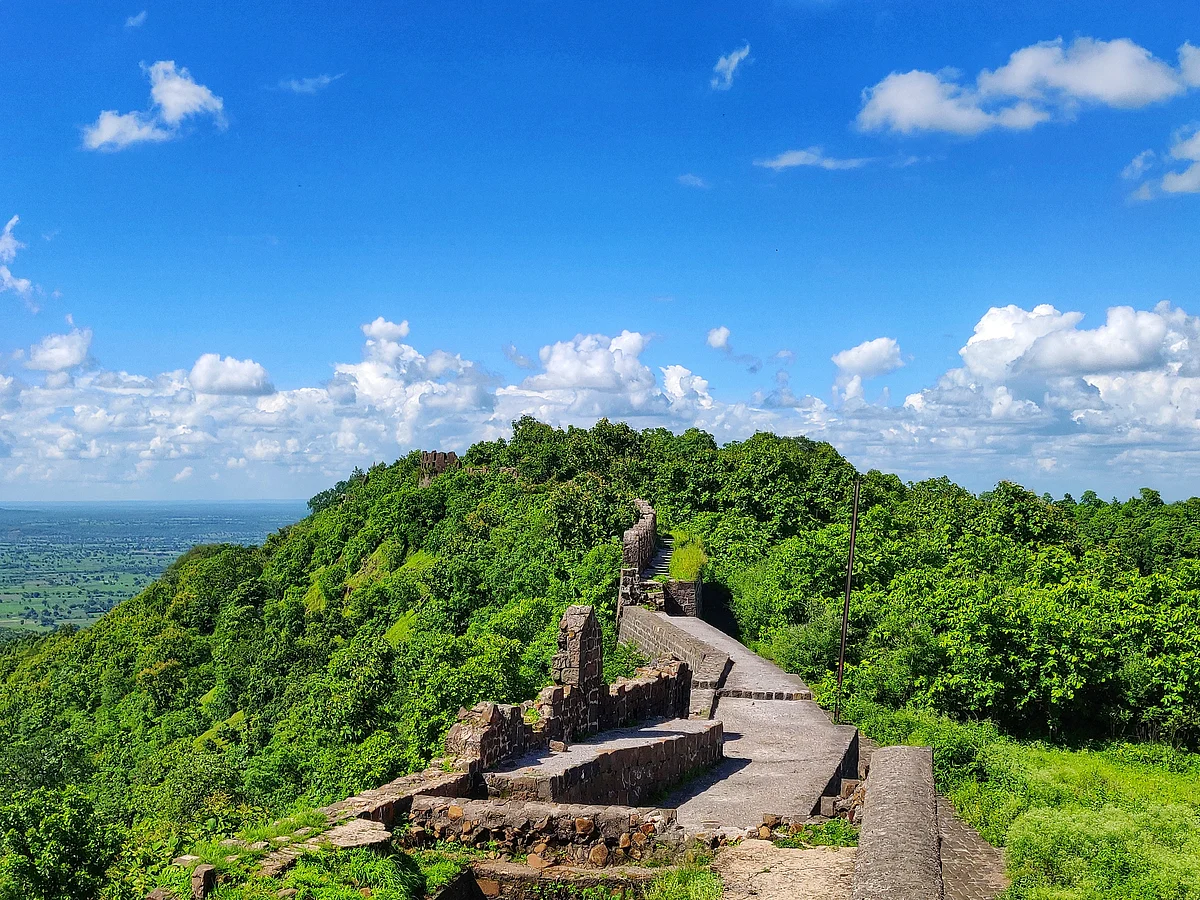
Mahurgad Fort is a sprawling 12th-century hill fort that served as a strategic stronghold for various dynasties, including the Gond kings, the Bahmanis, the Mughals, and the Maratha Empire. Visitors can explore the massive Hathi Darwaja, or Elephant Gate, the Mahakali Temple, and the remains of palaces like the Chini Mahal.
Sacred Hill Walks
The pilgrimage involves climbing approximately 200–250 stone steps to reach the hilltop shrines. The path offers panoramic views of the Sahyadri ranges and dense teak forests, which are home to a diverse array of wildlife, including peacocks and deer.
Nearby Attractions
Sahastrakund Waterfall
Located on the Penganga River, approximately 80 km from Mahur, Sahastrakund is a powerful waterfall that is best visited during or after the monsoon. The rocky landscape and flowing water make it a popular spot for nature lovers and photographers.
Unkeshwar Hot Springs
Approximately 50 km from Mahur, Unkeshwar is renowned for its natural hot-water springs, believed to possess healing properties. A nearby Shiva temple adds a spiritual dimension to the visit.
Pandav Leni Caves
These ancient rock-cut caves near Mahur are linked to local legends and have archaeological importance. They are a stop for history enthusiasts.
Nanded, Hazur Sahib
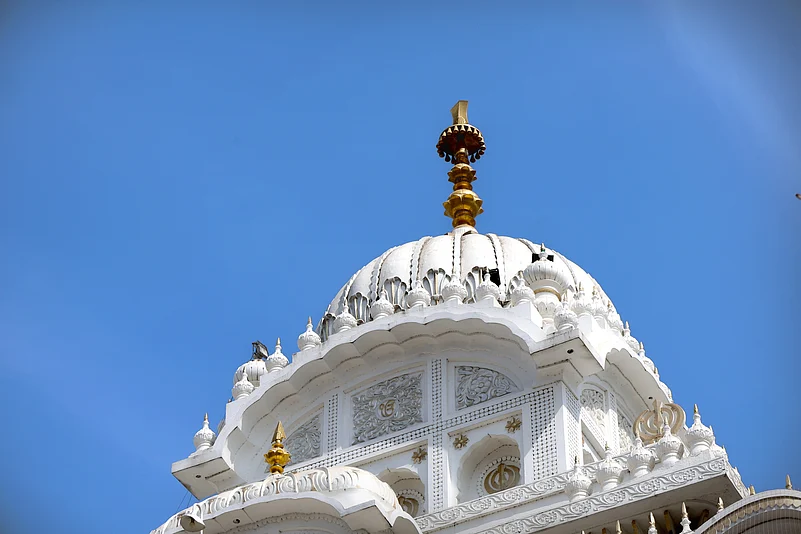
Nanded, about 130 km away, is home to Hazur Sahib, one of Sikhism’s five Takhts. It offers a chance to explore another religious tradition while visiting the region.
How To Get To Mahurgad
By Air
The nearest airport is Nanded Airport, located approximately 130 km from Mahur, with regular flights available from Mumbai, Pune, and Hyderabad. Taxis and buses are available from Nanded to Mahur.
By Train
The closest railway station is Kinwat, about 50 km away. It is connected to major towns in the state of Maharashtra. From Kinwat, visitors can hire taxis or take state transport buses.
By Road
Mahur is well connected by road to Nanded, Yavatmal, and Nagpur. Maharashtra State Transport buses run regularly, and travellers can also drive via NH161 and SH224, enjoying a scenic journey through the Sahyadri foothills.
Best Time To Visit
The best time to visit Mahur is from October to March, when the weather is cool and pleasant, making it ideal for temple visits and hill walks. Dasara (September–October) and Chaitra Navratri (March–April) are the most vibrant times, with major festivals, fairs, and processions taking place. Datta Jayanti is also an important occasion for devotees of Lord Dattatreya.
The summer months, from April to June, can be very hot, making climbing and sightseeing uncomfortable. Meanwhile, the monsoon brings lush greenery but also slippery paths.
FAQs
1. Why is Mahurgad considered spiritually important?
Mahurgad is believed to be a Shakti Peetha where Goddess Renuka’s head fell and is also regarded as the birthplace of Lord Dattatreya.
2. Which temples should visitors not miss in Mahurgad?
Key temples include the Renuka Devi Temple, Datta Shikhar (Dattatreya Temple), and Anasuya Mata Temple, each located on separate hilltops.
3. What is unique about Datta Shikhar in Mahurgad?
Unlike many Dattatreya shrines that worship padukas, Datta Shikhar houses a full idol of Lord Dattatreya and offers panoramic Sahyadri views.
4. How much time is needed to explore Mahurgad?
A one- to two-day visit is sufficient to cover the temples, fort, sacred hill walks and nearby attractions.
5. When is the best time to visit Mahurgad?
October to March offers the most pleasant weather, while Dasara, Chaitra Navratri and Datta Jayanti are the most vibrant festival periods.