

From the mangrove forests of the Sundarbans to the high-altitude deserts of Spiti, India’s UNESCO Biosphere Reserves protect some of the country’s most varied natural landscapes. These reserves are home to rare wildlife, fragile ecosystems and communities that have lived alongside nature for generations. With the Cold Desert Biosphere Reserve joining the UNESCO World Network in September 2025, India now has 13 internationally recognised biosphere reserves.
Spread across mountains, forests, islands and coastlines, these destinations offer travellers an opportunity to experience India's biodiversity through wildlife safaris, guided treks, boat rides and community-led tourism. Here is a closer look at all 13 reserves, what makes each one special and the best time to visit.
What Are Biosphere Reserves And Why Are They Important?


Biosphere reserves are designated areas that aim to conserve biodiversity while supporting sustainable development and scientific research. They protect important ecosystems, including forests, wetlands, grasslands, marine habitats and mountain landscapes.
Each reserve generally has three zones:
Core zone: A strictly protected area where conservation takes priority and human activities are highly restricted.
Buffer zone: Surrounds the core and allows activities such as research, environmental education and regulated tourism.
Transition zone: Where local communities live and work, with an emphasis on sustainable livelihoods and responsible use of natural resources.
India has 18 nationally notified biosphere reserves, of which 13 are part of UNESCO's World Network of Biosphere Reserves.
The Himalayas And Trans-Himalayas
Cold Desert Biosphere Reserve, Himachal Pradesh
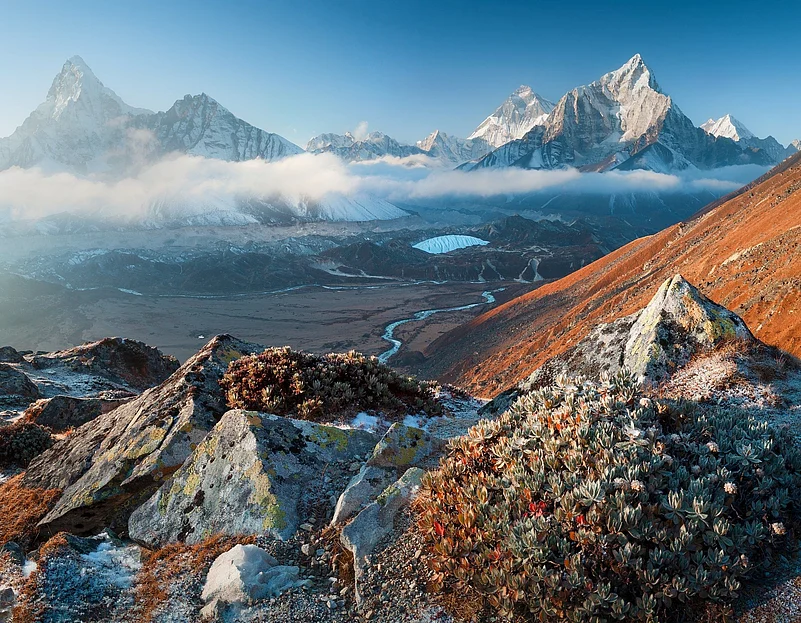
Added to UNESCO's World Network in September 2025, the Cold Desert Biosphere Reserve covers the high-altitude landscapes of Himachal Pradesh's Lahaul-Spiti region. It includes Spiti Valley, Pin Valley National Park, Kibber Wildlife Sanctuary and the area around Chandratal Lake.
The landscape is very different from the forested Himalayas, with barren mountains, glacial streams, high-altitude villages and alpine lakes. It is also an important habitat for snow leopards, Himalayan ibex and blue sheep. Travellers can explore Spiti through road trips, village stays and guided wildlife excursions. Winter visits to Kibber offer opportunities for guided snow leopard tracking.
Best time to visit: June to September
Nanda Devi Biosphere Reserve, Uttarakhand
Located in the Garhwal Himalayas, the Nanda Devi Biosphere Reserve includes Nanda Devi National Park and the Valley of Flowers National Park. Its landscape features towering peaks, glaciers, alpine meadows and remote mountain valleys.
Joshimath is a convenient base for exploring the region. Between June and September, the Valley of Flowers comes alive with seasonal blooms. The reserve is also home to snow leopards, Himalayan musk deer and blue sheep.
Best time to visit: May to October
Khangchendzonga Biosphere Reserve, Sikkim
Centred around Mount Khangchendzonga, the world's third-highest mountain, this reserve brings together glaciers, forests, alpine lakes and traditional mountain settlements. It is part of the wider Khangchendzonga National Park, a UNESCO World Heritage Site recognised for its natural and cultural significance.
Yuksom is a popular starting point for treks in the region. Visit in spring for rhododendron blooms or autumn for clearer mountain views. The reserve also shelters red pandas, snow leopards and Himalayan black bears.
Best time to visit: March to May and September to November
The Western Ghats And Southern Coasts

Nilgiri Biosphere Reserve, Tamil Nadu, Kerala And Karnataka
Established in 1986, the Nilgiri Biosphere Reserve was India's first biosphere reserve. It connects several important protected areas, including Bandipur, Nagarhole, Mudumalai, Wayanad and Silent Valley.
Its forests and grasslands support elephants, tigers, Nilgiri tahrs and the endangered lion-tailed macaque. Travellers can explore the region through wildlife safaris, forest walks and stays in nature-focused properties.
Best time to visit: October to May
Agasthyamalai Biosphere Reserve, Kerala And Tamil Nadu
Located in the southern Western Ghats, Agasthyamalai is known for its evergreen forests, waterfalls and remarkable plant diversity. It includes protected areas such as Neyyar, Peppara, Shenduruny and Kalakkad Mundanthurai.
The region is particularly interesting for its medicinal plants and endemic wildlife. Guided forest walks, nature trails and visits to the Neyyar Reservoir offer ways to experience its landscape.
Best time to visit: November to March
Gulf Of Mannar Biosphere Reserve, Tamil Nadu
Stretching between Rameswaram and Thoothukudi, the Gulf of Mannar is South Asia's first marine biosphere reserve. It comprises 21 islands surrounded by coral reefs, seagrass beds and coastal habitats.
These waters support dugongs, sea turtles, dolphins and several species of marine life. Travellers can explore the coastal region around Mandapam through authorised boat excursions and marine interpretation activities. Access to the protected islands and reefs is regulated to minimise disturbance to marine ecosystems.
Best time to visit: October to March
Central India's Forests And Plateaus
Pachmarhi Biosphere Reserve, Madhya Pradesh
Known as the Queen of Satpura, Pachmarhi is surrounded by forested hills, sandstone formations, waterfalls and ancient rock shelters. The biosphere reserve includes Satpura National Park, Bori Wildlife Sanctuary and Pachmarhi Wildlife Sanctuary.
Visitors can combine jeep safaris and guided walks with excursions to Bee Falls and Dhoopgarh, the highest point in Madhya Pradesh.
Best time to visit: October to March
Panna Biosphere Reserve, Madhya Pradesh
Located along the Ken River, Panna is known for its dry deciduous forests, deep gorges and successful tiger reintroduction programme. Wildlife safaris offer opportunities to spot Bengal tigers, leopards and several species of deer.
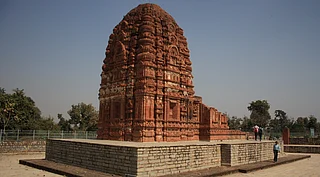
The Ken River is another highlight, with boat excursions offering a chance to see gharials. Travellers can also combine a visit with Khajuraho's UNESCO-listed temples.
Best time to visit: October to June
Achanakmar-Amarkantak Biosphere Reserve, Madhya Pradesh And Chhattisgarh
Spread across the Maikal Hills, this reserve combines forest landscapes with the cultural significance of Amarkantak, where the Narmada River originates. Its forests shelter wildlife such as the four-horned antelope and Indian wild dog.
A visit can include wildlife excursions in Achanakmar Tiger Reserve, alongside visits to Amarkantak's temples and the Narmada Udgam site.
Best time to visit: November to April
Eastern India, Northeast And Island Ecosystems

Sundarbans Biosphere Reserve, West Bengal
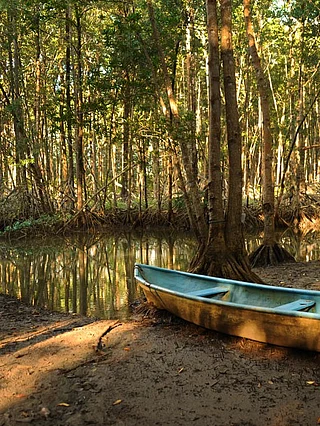
The Sundarbans form the world's largest mangrove forest, spread across the Ganges-Brahmaputra delta. Its network of tidal waterways and islands provides a habitat for Royal Bengal tigers, estuarine crocodiles and numerous bird species.
Boat safaris are the main way to explore the region. Travellers can arrange authorised excursions from Godkhali, visiting forest watchtowers such as Sajnekhali and Dobanki.
Best time to visit: November to February
Similipal Biosphere Reserve, Odisha
Located in Mayurbhanj, Similipal is known for its sal forests, rolling hills and waterfalls, including Barehipani and Joranda. It is also home to the rare pseudo-melanistic tiger, whose distinctive dark stripes create an unusual appearance.
Visitors can explore designated forest routes and wildlife habitats through authorised entry points, subject to forest department permissions.
Best time to visit: November to mid-June
Nokrek Biosphere Reserve, Meghalaya
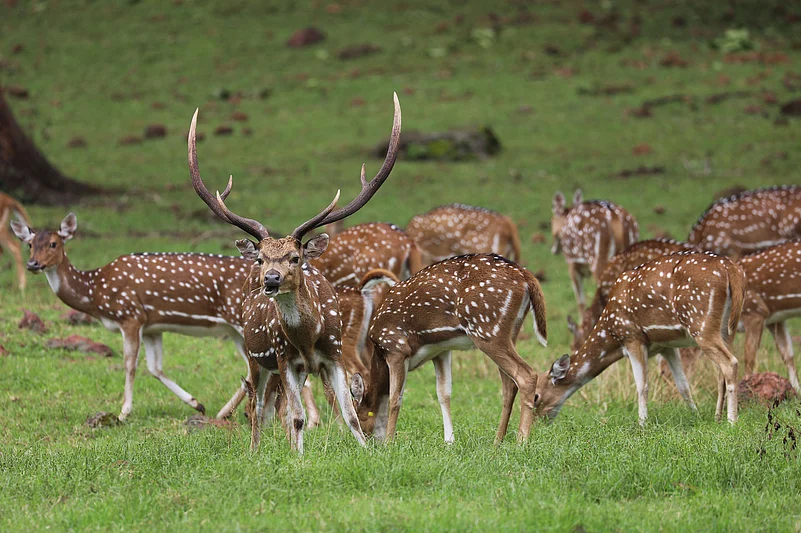
Situated in the Garo Hills, Nokrek protects tropical forests and an important gene pool of wild citrus, including Citrus indica. The reserve also supports hoolock gibbons, elephants and other wildlife.
Travellers can explore its forest trails and nearby Garo villages, experiencing the region's biodiversity alongside its local culture and traditions.
Best time to visit: October to April
Great Nicobar Biosphere Reserve, Andaman And Nicobar Islands
At the southernmost end of the Andaman and Nicobar Islands, Great Nicobar protects tropical rainforests, coastal ecosystems and nesting habitats for giant leatherback turtles. Its wildlife includes the Nicobar megapode and saltwater crocodile.
This is a particularly sensitive ecological region, and access is restricted. Travellers must check the latest entry requirements and obtain the necessary permissions from the Andaman and Nicobar administration before planning a visit.
Best time to visit: December to April
Responsible Travel Tips For Visiting Biosphere Reserves
Exploring these landscapes comes with a responsibility to protect the ecosystems and communities that make them special. A few things to keep in mind:
Understand access restrictions: Core zones are primarily reserved for conservation. Stick to authorised visitor areas and designated trails.
Arrange permits in advance: Wildlife safaris, protected mountain regions and islands such as Great Nicobar may require special permissions. Check current regulations before travelling.
Choose local accommodation: Community-run homestays in Spiti, the Garo Hills and Wayanad help support livelihoods and give visitors a closer understanding of local life.
Travel with local guides: Naturalists and community guides can help you understand the region's wildlife, ecology and cultural history.
Respect wildlife: Maintain a safe distance, avoid feeding animals and follow forest department instructions during safaris and nature walks.
India's 13 UNESCO Biosphere Reserves offer very different ways to experience the country's natural heritage. Whether it is tracking snow leopards in Spiti, exploring the mangrove waterways of the Sundarbans or walking through the rainforests of the Western Ghats, each destination offers a closer look at the relationship between nature, wildlife and local communities. Travelling responsibly through these landscapes also helps ensure that they remain protected for generations to come.
FAQs
1. How many UNESCO Biosphere Reserves are there in India?
India has 13 biosphere reserves included in UNESCO's World Network of Biosphere Reserves. The Cold Desert Biosphere Reserve in Himachal Pradesh became the latest addition in September 2025. India has 18 nationally designated biosphere reserves in total.
2. Which was India's first UNESCO Biosphere Reserve?
The Nilgiri Biosphere Reserve, established in 1986, was India's first biosphere reserve. It spans parts of Tamil Nadu, Kerala and Karnataka and includes several important protected forests and wildlife habitats.
3. Which is the largest biosphere reserve in India?
The Gulf of Mannar Biosphere Reserve is among India's largest marine biosphere reserves. For a definitive answer to the largest overall, specify whether you are comparing land area, marine area or total notified area, as different sources use different measurements.
4. What is the Cold Desert Biosphere Reserve known for?
Located in Himachal Pradesh's Lahaul-Spiti region, the Cold Desert Biosphere Reserve is known for its high-altitude desert landscapes, sparse vegetation and wildlife such as snow leopards, Himalayan ibex and blue sheep.
5. What are the three zones of a biosphere reserve?
Biosphere reserves generally have three zones: a core zone for strict conservation, a buffer zone for activities such as research and regulated tourism, and a transition zone where communities live and practise sustainable livelihoods.