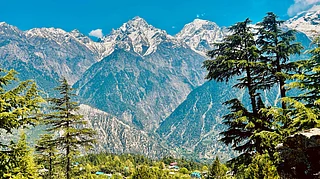


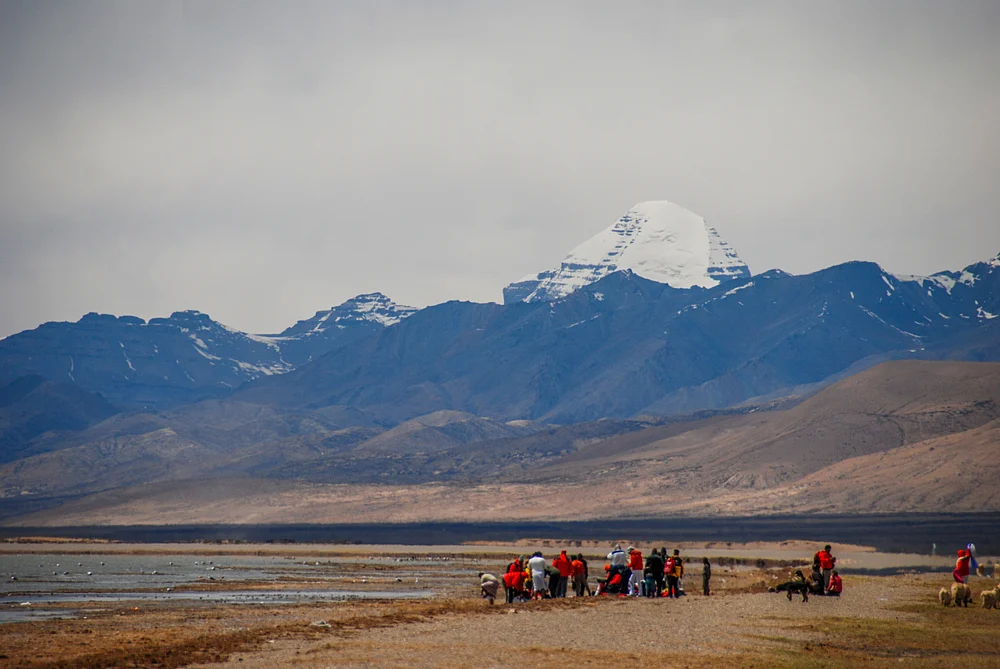
Nepal has formally objected to the proposed Kailash Mansarovar Yatra route via the Lipulekh Pass, informing both India and China that the area falls within its sovereign territory. The move has brought renewed attention to a long-standing boundary dispute between Kathmandu and New Delhi.
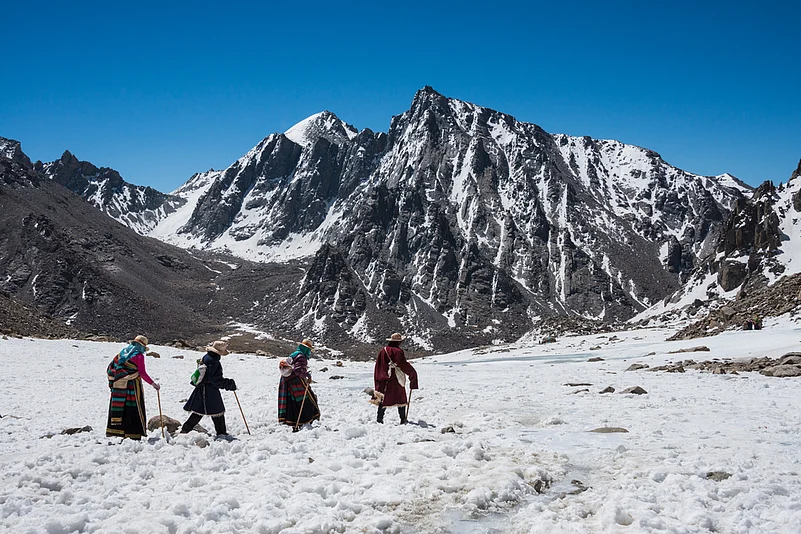
In its diplomatic note, Kathmandu reiterated that it considers the Lipulekh region to be part of Nepal’s territory and said it cannot be used as a transit route for the pilgrimage without Nepal’s approval. The objection is linked to plans to resume the 2026 Kailash Mansarovar Yatra via the pass, which has traditionally served as one of the entry routes to the pilgrimage site in Tibet.
Frontier Dispute Persists
Kathmandu grounded its claim in the 1816 Sugauli Treaty, arguing that areas east of the Mahakali River fall under Nepal’s jurisdiction. It also expressed concern over what it described as a lack of consultation, saying it was not taken into confidence before India and China finalised the pilgrimage route. Nepal has urged both sides to refrain from undertaking any infrastructure development, trade activity or tourism-related work in the disputed region until the matter is resolved.
India, however, firmly rejected Nepal’s objections. The Ministry of External Affairs maintained that the Lipulekh Pass has long been an established and operational route for the Kailash Mansarovar Yatra, with usage dating back to 1954. It further described Nepal’s position as a unilateral attempt to expand territorial claims in an “artificial” manner, calling the assertion “untenable” and reiterating that the route lies within Indian territory.

What Nepal Said
Responding to media queries on reports of the Kailash Mansarovar Yatra route via Lipulekh involving India and China, Nepal’s Ministry of Foreign Affairs said it had taken note of the developments.
The ministry restated its long-held position that the boundary framework under the 1816 Sugauli Treaty places areas east of the Mahakali River — including Limpiyadhura, Lipulekh, and Kalapani — within Nepal’s territory.
“Nepal remains clear and firm that, as per the 1816 Sugauli Treaty, areas east of the Mahakali River, including Limpiyadhura, Lipulekh, and Kalapani, belong to Nepal,” the statement said.
It further noted that Kathmandu has, on several occasions, conveyed its objections through diplomatic channels to both India and China regarding activities in the disputed area, including arrangements linked to the pilgrimage route.
(With inputs from various sources)

FAQs
What is the Lipulekh dispute about?
Nepal objects to the use of Lipulekh Pass for the Kailash Mansarovar Yatra, saying it lies within its territory. India rejects this claim.
What areas does Nepal claim?
Nepal claims Lipulekh, Kalapani and Limpiyadhura under the 1816 Sugauli Treaty.
Why is Lipulekh important?
It is a key Himalayan pass used for pilgrimage and cross-border movement towards Kailash Mansarovar.
What is India’s stand?
India says Lipulekh is its territory and has been used for the yatra since 1954.
Has Nepal raised this before?
Yes, Nepal has repeatedly objected through diplomatic channels.
Why does the issue persist?
It stems from differing interpretations of historical treaties and boundary maps.