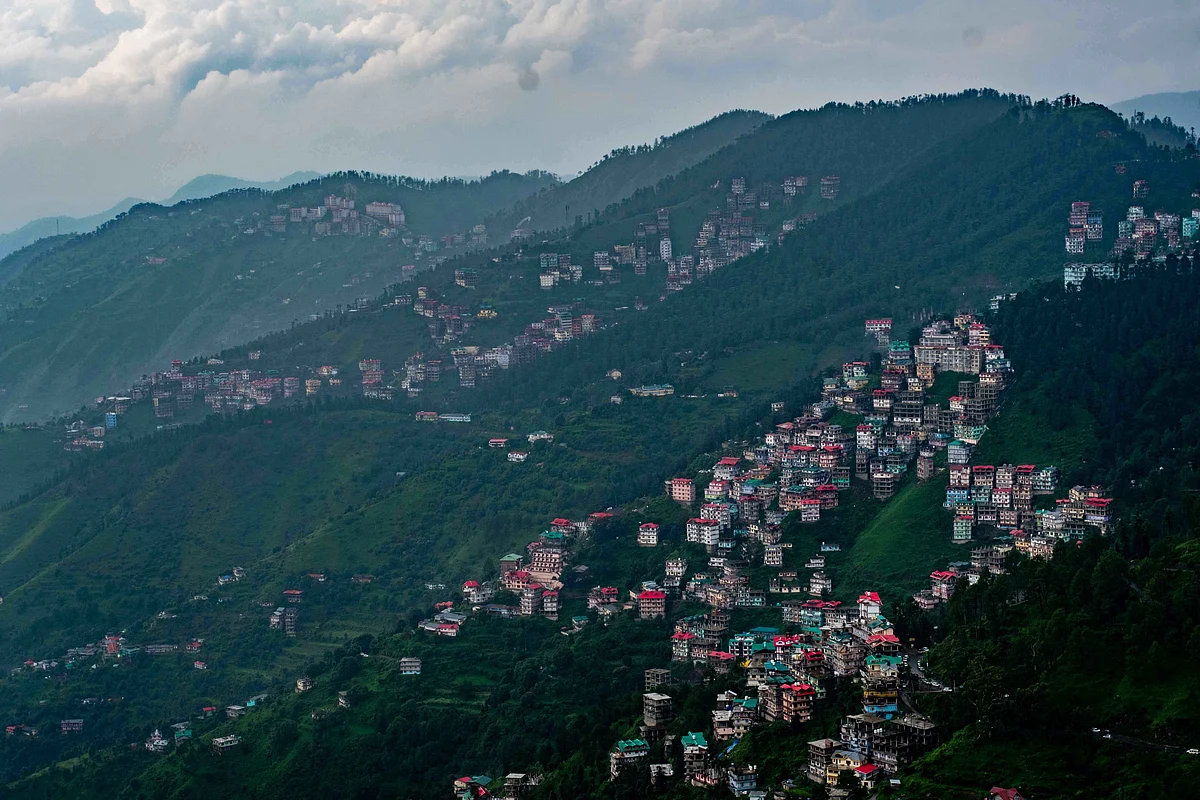
It takes barely half an hour to drive from Shimla to Mashobra, but the shift is immediate. The traffic thins out, the souvenir shops disappear, and the soundtrack of honking gives way to birdsong and rustling deodar trees. At a time when many of India's famous hill stations are struggling under the weight of overtourism, Mashobra has managed to retain what first drew people to the Himalayas: fresh mountain air, expansive forests, walking trails, and the luxury of slowing down.
Perched at 2,148 metres (7,041 feet) in Himachal Pradesh's Shimla district, Mashobra has never tried to compete with its famous neighbour. Instead, it has evolved into a destination for travellers who value forests over crowded promenades, heritage over commercial attractions, and meaningful experiences over ticking off sightseeing lists. The result is a hill town that feels refreshingly grounded, where nature continues to dictate the pace of life.
While its proximity to Shimla makes it an easy weekend escape from North Indian cities, Mashobra rewards those who choose to stay longer. It is the kind of place where mornings begin with long walks beneath towering deodar trees, afternoons are spent overlooking apple orchards, and evenings call for little more than a warm cup of tea and Himalayan views.
Protected Forests, Open Landscapes
One of Mashobra's greatest strengths is that much of its landscape remains protected. The town is home to the Shimla Water Catchment and Wildlife Sanctuary, a 951-hectare reserve forest where strict environmental regulations prohibit unchecked construction. These conservation measures have helped preserve one of the region's richest ecosystems while preventing the rapid urban expansion that has transformed several Himalayan destinations over the past two decades.
The sanctuary is far more than just a green buffer. It is an important biodiversity hotspot that supports over 120 species of birds alongside barking deer, Himalayan langurs, pheasants, and a variety of native flora. For birdwatchers, photographers, and nature enthusiasts, Mashobra offers rewarding experiences without requiring strenuous expeditions into remote wilderness.
The forests also perform another vital role. The surrounding catchment area supplies much of Shimla's water, making this protected landscape an ecological lifeline for the region. Visitors often notice how noticeably cleaner the air feels here, thanks to the extensive forest cover that stretches across the hillsides.
A Hill Town With Layers Of History

Mashobra's story extends beyond forests and mountain views. The town occupies an important place in India's colonial and post-Independence history, something reflected in its heritage buildings and institutions.
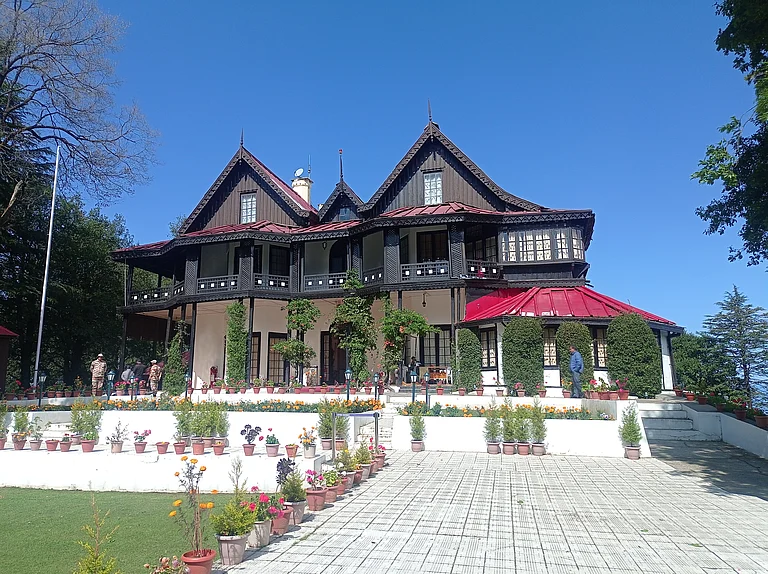
Perhaps its most fascinating landmark is The Retreat at Chharabra, one of only two official Presidential Retreats in India. Built in 1850 as a colonial residence, the wooden estate now serves as the summer retreat of the President of India. During the President's annual visit, parts of the office temporarily function from this historic property, continuing a tradition that dates back decades. The estate remains largely inaccessible to the public, adding an air of exclusivity to an already remarkable landmark.
The surrounding region also bears traces of the British era through churches, country homes, forest bungalows, and heritage estates that still dot the landscape. At Craignano Nature Park, visitors encounter a slice of Europe transplanted into the Himalayas. Built by Italian photographer Chevalier Federico Peliti, the estate combines landscaped gardens with panoramic mountain views, making it one of Mashobra's most distinctive attractions.
The colonial legacy also lives on in smaller ways. Several heritage properties continue to revive the tradition of Victorian afternoon teas, serving freshly baked scones alongside rare Himalayan silver-tip teas and preserves made from locally grown rhododendrons, offering a glimpse into the leisurely mountain culture that once defined the region.
More Than A Scenic Stop
Mashobra's appeal lies as much in what you do here as in what you don't. Forest trails weave through dense cedar and oak groves, inviting leisurely walks rather than hurried sightseeing. Hiking enthusiasts often make their way to Shali Tibba, one of the highest peaks in the area, where expansive views of the surrounding Himalayan ranges reward the climb. Unlike more commercial trekking routes, the trails remain pleasantly uncrowded, allowing visitors to immerse themselves in the landscape.
Those interested in wildlife can spend hours exploring the sanctuary's walking routes, while photographers find no shortage of subjects, from mist-covered forests and heritage cottages to colourful Himalayan birdlife. The nearby Mahasu Peak offers another rewarding excursion, particularly during clear weather when the mountain vistas stretch across the horizon.
Not far away, Jakhu Temple remains one of the region's most visited religious landmarks. Although technically associated with Shimla, it is easily accessible from Mashobra and offers sweeping views across the hills alongside its towering Hanuman statue and enduring local legends.
For travellers seeking a slower itinerary, simply wandering through village roads, stopping at orchard cafés, or spending an afternoon with a book overlooking the valley often proves just as memorable.
When The Orchards Turn Crimson
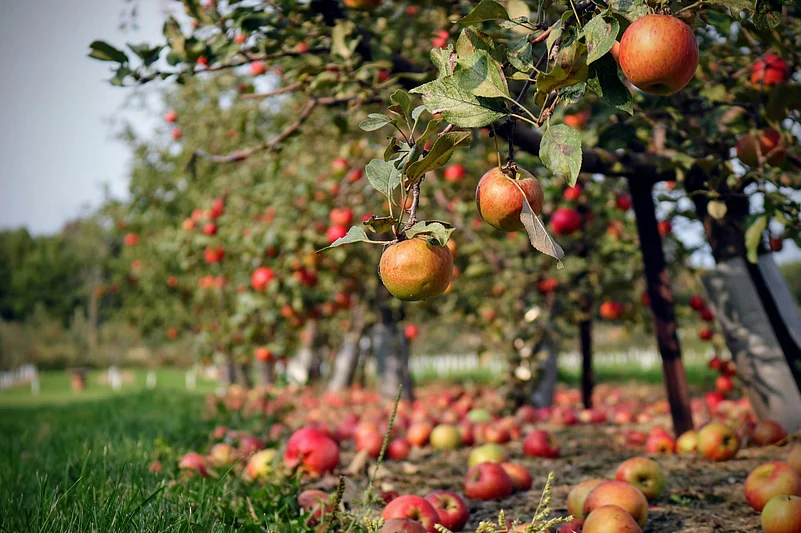
Every season lends Mashobra a different character, but the months between July and September offer one of its most distinctive experiences. This is apple harvest season, when orchards across the valley come alive with fruit-laden trees and farming activity.
The region's long association with apple cultivation becomes especially visible during these months as visitors can witness the harvest firsthand, interact with local growers, and experience a side of Himachal that goes beyond postcard landscapes. Increasingly, several boutique properties have begun incorporating orchard walks and farm experiences into their offerings, creating opportunities for travellers interested in agritourism.
Spring brings apple blossoms that blanket the hillsides in shades of pink and white, while autumn delivers crisp mountain air and exceptionally clear skies. Winter transforms Mashobra into a snowy retreat, attracting visitors looking for peaceful mountain holidays without the crowds that descend on neighbouring destinations.
Thanks to its altitude, temperatures remain pleasant for much of the year, making it suitable for outdoor exploration across seasons.
The Luxury Of Staying Small
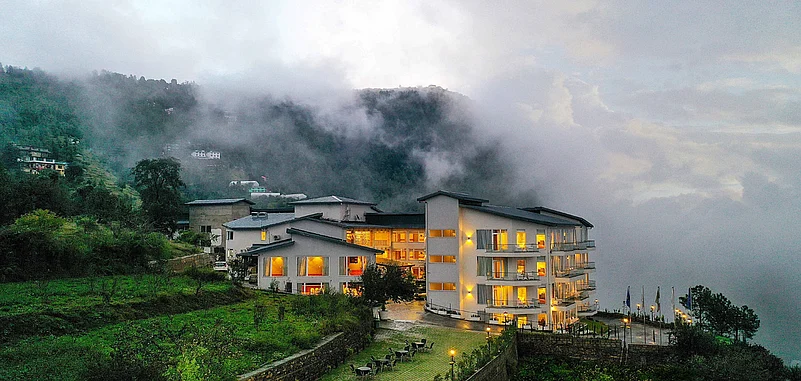
Perhaps Mashobra's biggest success lies in what it has chosen not to become. Unlike several Himalayan towns that have expanded rapidly with hotels, shopping complexes, and entertainment hubs, Mashobra continues to embrace a smaller footprint. Accommodation largely consists of boutique hotels, heritage properties, forest lodges, and luxury resorts that blend into the surrounding landscape rather than dominate it.
This restrained development has also shaped the kind of traveller the destination attracts. Families seeking slower holidays, couples looking beyond conventional hill stations, birdwatchers, wellness travellers, and those working remotely increasingly find Mashobra better suited to their pace than busier mountain towns.
Its accessibility is another advantage. Whether arriving by road from Delhi, by the Kalka-Shimla railway, or through Shimla's airport, reaching Mashobra requires little planning, making it an easy addition to a longer Himachal itinerary or a standalone weekend break.
A Different Way To Experience The Himalayas
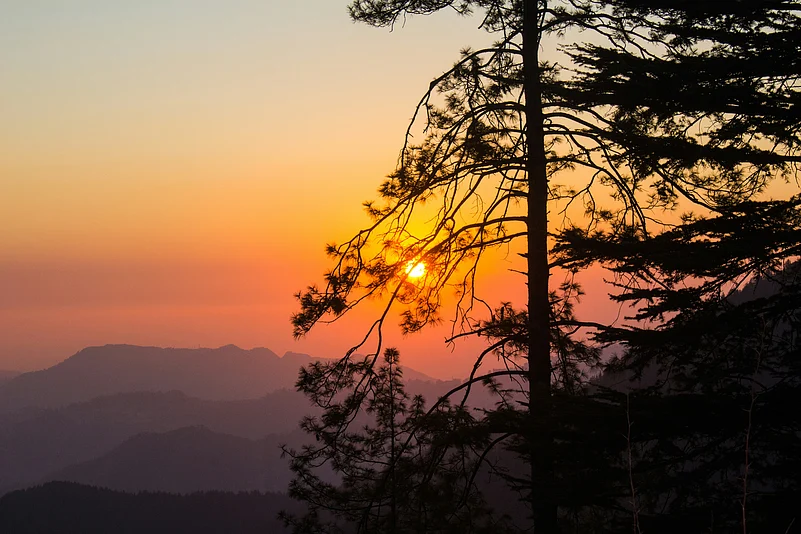
Mashobra offers a reminder that not every mountain destination needs amusement parks, bustling markets, or endless itineraries to leave a lasting impression. Its greatest attraction is the experience of spending time in a landscape that still feels protected, where forests outnumber buildings and history coexists comfortably with nature.
As conversations around sustainable tourism continue to grow, Mashobra represents a model worth paying attention to. Conservation has not become an afterthought here; it has shaped the destination itself. The protected forests, thriving biodiversity, heritage architecture, orchard culture, and measured development have together created a place that feels remarkably intact.
For travellers looking beyond the usual Himalayan circuit, Mashobra offers something increasingly difficult to find: a destination that allows the mountains to remain the main attraction.
Getting There:
Mashobra is around 11 km from Shimla and can be reached by road in approximately 30 minutes. The nearest airport is Shimla's Jubbarhatti Airport (about 35 km away), while Kalka is the closest broad-gauge railway station. Travellers arriving by train can continue on the UNESCO-listed Kalka-Shimla Toy Train before taking a taxi to Mashobra. Regular buses and private cabs are also available from Shimla.
Nearby Attractions:
Mashobra makes an excellent base for exploring the surrounding hills. Visit Kufri for its adventure activities and Himalayan Nature Park, head to Naldehra for its historic golf course, or spend time at Tattapani, known for its hot springs and river rafting on the Sutlej. Chail, with its royal palace and the world's highest cricket ground, is another rewarding day trip, while Shimla's colonial landmarks, cafés, and Mall Road are just a short drive away.
FAQs
Q1. Where is Mashobra located?
Mashobra is a hill town in Himachal Pradesh, around 11 km northeast of Shimla at an altitude of 2,148 metres.
Q2. What is Mashobra known for?
It is known for its protected forests, apple orchards, Presidential Retreat, birdwatching opportunities and peaceful mountain setting.
Q3. When is the best time to visit Mashobra?
March to June offers pleasant weather, while July to September is ideal for experiencing the apple harvest season.
Q4. Is Mashobra suitable for a weekend trip?
Yes. Its proximity to Shimla makes it an excellent weekend getaway for travellers seeking nature, heritage and relaxation.
Q5. What are the must-visit places near Mashobra?
Popular nearby attractions include Craignano Nature Park, Shimla Water Catchment Wildlife Sanctuary, Naldehra, Kufri, Chail and Tattapani.